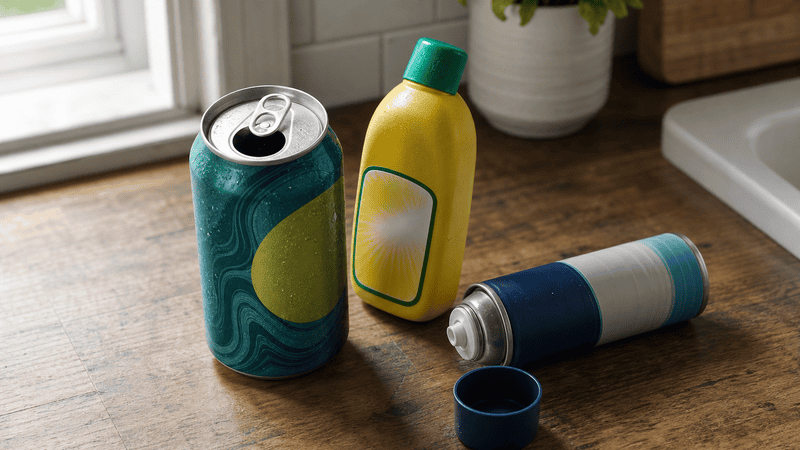
The most realistic looking diversion safes are the ones modeled on products you already keep in your home — canned goods, cleaning supplies, personal care items, books, and wall outlets. The best ones are indistinguishable from the real thing at arm’s length, carry the correct weight when handled, and fit naturally into the environment where you place them. That last part — context — is what separates a safe that works from one that just looks interesting on a shelf.
Why do some diversion safes look fake while others are completely convincing?
Here’s the assumption most people make when they first encounter diversion safes: that the disguise itself is the whole trick. Buy something that looks like a can of soup, hide your valuables inside, done. But that thinking is actually backwards — and it’s why so many cheap diversion safes fail at the most important moment.
A thief scanning your kitchen for something worth grabbing isn’t doing a product-by-product inspection. They’re doing a pattern recognition sweep. Their brain is asking one question: does this fit? A can of tomatoes sitting next to your stove fits. That same can sitting alone on your nightstand does not. The disguise is only half the equation. The other half is placement, and that’s the insight most buyers never think about before they order.
What separates a convincing diversion safe from an obvious one comes down to three things: label quality, weight distribution, and surface texture. A high-quality unit uses the actual product dimensions, features printing that matches the real packaging in font and finish, and — critically — has been weighted to feel like a partially used product. Pick up a full, sealed can versus an empty one and you immediately notice the difference. Serious manufacturers account for this. Budget ones don’t.
The realistic ones also show wear in the right places. Real shaving cream cans get water spots. Real soup cans get minor dents. The better diversion safes replicate that lived-in quality, which is exactly what makes them disappear in plain sight.
Which types of diversion safes are hardest to identify as fakes?
The category that consistently performs best is personal care products — shaving cream, hairspray, lotion, and similar items. Here’s why: these products live in every bathroom in America, they’re handled by one person (the owner), guests rarely touch them, and they’re immediately understood as personal and not particularly valuable. A burglar moving through a bathroom fast isn’t picking up your shaving cream. It simply doesn’t register as a target.
Canned food diversion safes come in a close second. When you place a can of mixed nuts, coffee, or condensed milk in a cabinet surrounded by similar items, it disappears completely. The design category for these has improved significantly — modern versions include realistic pull-tab lids, accurate nutrition label printing, and bottom-opening compartments that let the top remain visually intact. If you picked one up and set it back down without opening it, you’d have no idea.
Wall outlet safes are in a category of their own because they don’t just look realistic — they actually function. A working outlet safe accepts plugs and passes electricity, which means it survives hands-on inspection. Someone could plug a phone charger into it and never know there’s a hidden compartment behind the faceplate. That’s not a disguise. That’s a decoy.
Book safes are the most classic option, and they still work — but with one important caveat. A single book sitting alone on an otherwise bare shelf stands out. A book safe tucked into a full, lived-in bookshelf with varied spines and sizes around it? Nearly impossible to identify. Context is everything, and for a diversion safe in your living room, a book safe done right is one of the most effective options available.
What diversion safes work best in a kitchen or pantry?
The kitchen is one of the highest-value hiding environments in a home, and it’s almost always overlooked. Think about it from a different angle: most people hide valuables in the bedroom or home office because that’s where they feel “safe.” Burglars know this. The bedroom is typically the first place they search.
Your kitchen pantry, on the other hand, is a low-priority target. It’s full of products that look identical to one another, it takes time to search, and nothing in there looks like it belongs in a jewelry box or a wallet. A realistic canned food diversion safe placed among actual canned goods is genuinely difficult to identify — even for someone who knows what to look for.
The best kitchen diversion safes replicate staple products: peanut butter jars, coffee cans, cleaning supply bottles stored under the sink, even dish soap containers. Under-sink storage is particularly effective because it’s often cluttered, most people don’t touch it frequently, and the variety of products stored there creates excellent visual cover.
If you’re looking for options designed specifically for securing valuables at home, the kitchen and pantry are worth serious consideration as a first or second hiding location.
Are diversion safes effective in college dorms and apartments?
This is where the innovation question gets genuinely interesting, because dorm rooms and small apartments present a specific challenge: limited space and shared environments. When your roommate, their friends, maintenance staff, and various visitors cycle through your space regularly, a traditional safe is both impractical and an obvious target. Anything that looks like a safe says “there’s something worth protecting in here.”
A diversion safe flips that logic. Personal care items are especially effective in dorms because they’re abundant, personal, and universally ignored. A hairspray or lotion bottle sitting on your desk or dresser draws zero attention. A can of soda in your mini fridge blends in perfectly. Even a wall outlet safe is well-suited for a dorm room — it’s flush with the wall, looks like every other outlet in the building, and can sit in plain view indefinitely.
The key consideration for a diversion safe for a college dorm is selecting an item that makes sense in your specific space. A can of motor oil in a dorm room doesn’t fit. A sports drink bottle, a snack container, or a skincare product does. Match the item to the environment, and it disappears.
If you want to go deeper on this topic, the post on what household items make the best diversion safes covers exactly how to evaluate this for your own space.
How do you choose the right diversion safe for your home?
The counterintuitive answer: start with the room, not the product. Most people browse diversion safes, find one they like, and then figure out where to put it. That’s the wrong order. Start by identifying where in your home a thief would least likely look, and then find a diversion safe that fits naturally in that environment.
Here’s a practical framework. Walk through your home and ask: where do I keep items that guests never touch? Where are products stored in groups, so one more item blends in? Which rooms do I spend the least time in — making it unlikely I’d accidentally grab the wrong thing? Those answers tell you which room to target. Then you match the product to the room.
If you land on the living room, a book safe placed in a full bookshelf is a strong choice. If it’s the bathroom, a personal care container makes sense. Kitchen or pantry, go with a canned good or cleaning product. For a bedroom, consider a wall outlet safe — it’s in a room that will be searched, but it’s the one item in that room that no one picks up or moves.
Weight matters too. When you receive your diversion safe, compare how it feels in your hand against the real product. If there’s an obvious difference — too light, too hollow-sounding when you tap it — add a small amount of weight inside (away from your valuables) to calibrate it. This is the kind of adjustment most buyers never think to make, and it’s also one of the things that separates a convincing setup from one that gets spotted on a bad day.
For a broader look at what to prioritize when selecting a brand, the guide on the best diversion safe brands breaks down what to look for in construction quality and realism.
Can a diversion safe work alongside other home security measures?
Absolutely — and this is where the real strategic thinking comes in. A diversion safe isn’t a replacement for a home security system, strong door locks, or situational awareness. It’s a layer. The most effective home security setups use multiple overlapping layers, because each one compensates for the gaps in the others.
Think of a diversion safe as your last line of defense inside the home. If someone gets in despite your other measures, what happens to your valuables in that window of time? A well-placed diversion safe means your cash, passport, backup cards, or jewelry are sitting in plain sight — and completely overlooked.
Pairing a diversion safe with a discreet security camera in a common area adds another layer. If something is taken, you have footage. If the camera is spotted, it may deter a search altogether. The home security weak points most people overlook covers how these layers fit together and where most setups have gaps worth addressing.
Frequently Asked Questions About Realistic Diversion Safes
What makes a diversion safe look realistic?
Realistic diversion safes replicate actual products in three key ways: accurate label printing that matches the real item in font, finish, and layout; correct dimensions and form factor; and appropriate weight. The best ones feel like a partially used version of the product they’re imitating. Placement matters equally — a convincing item in the wrong context still gets noticed.
Where is the best place to put a diversion safe in your home?
The most effective locations are rooms burglars deprioritize — kitchens, bathrooms, and living rooms with a lot of similar items nearby. Avoid the bedroom nightstand and home office desk, which are typically searched first. The goal is to hide the safe in a group of similar items so it blends in rather than standing out as a single unusual object.
Do wall outlet diversion safes actually work?
Yes, and they’re among the most convincing options available. Functional wall outlet safes accept real plugs and pass electricity, so they survive direct contact. They’re flush with the wall, look identical to every other outlet in the room, and don’t require any visual separation from their environment. The hidden compartment sits behind the faceplate and is only accessible to someone who knows it’s there.
Are diversion safes good for apartments and dorm rooms?
Diversion safes are particularly well-suited for apartments and dorms where a traditional safe is impractical or conspicuous. Personal care products, beverage containers, and snack items work especially well in these environments because they’re common, personal, and universally ignored. The key is choosing a product type that makes sense in your specific space — match it to what you already have around you.
How much can a diversion safe hold?
It depends on the format. A large canned food diversion safe can hold folded bills, a passport, jewelry, small electronics, or backup payment cards. Personal care bottle safes tend to have narrower compartments better suited for rolled cash, folded documents, or small valuables. Wall outlet safes are compact but can hold folded currency and small items. The compartment size is always listed in product specifications — check before buying if size is a priority.
Can someone tell a diversion safe is fake by picking it up?
A low-quality diversion safe, yes. It will feel too light or hollow compared to the real product. A well-made one is weighted to approximate a partially used version of whatever it’s imitating. If yours feels noticeably off, adding a small amount of weight inside the compartment (away from valuables) makes a meaningful difference. Don’t skip this step — weight is one of the most overlooked factors in diversion safe realism.
Should I tell anyone where my diversion safe is?
Only people who genuinely need to know — a partner, a trusted family member if there’s an emergency access scenario. The fewer people who know, the more effective it is. This also means being consistent: if you ever move the safe, make sure whoever needs to know is updated. A diversion safe works because it’s unexpected. The moment it becomes common knowledge, that advantage disappears.
Are diversion safes legal to own?
Yes. Diversion safes are legal to own in the United States. They’re household storage items, not regulated products. They’re not a substitute for a secure firearm safe if you store weapons, and they shouldn’t be your only security measure for critical documents. But for everyday valuables — cash, jewelry, backup cards, small electronics — they’re a completely lawful and practical option worth having.