What to Look for in Door and Window Alarms When Kids Are in the Picture
Not every door or window alarm is designed with toddlers in mind — but the features that matter most for child safety are pretty straightforward. First, look at alarm volume. A 90–120 dB siren is loud enough to be heard across a house, through ambient noise, and over the sound of a running TV or shower. That range is what you'll find across the products here, and it's the baseline you want. Anything quieter risks getting missed.
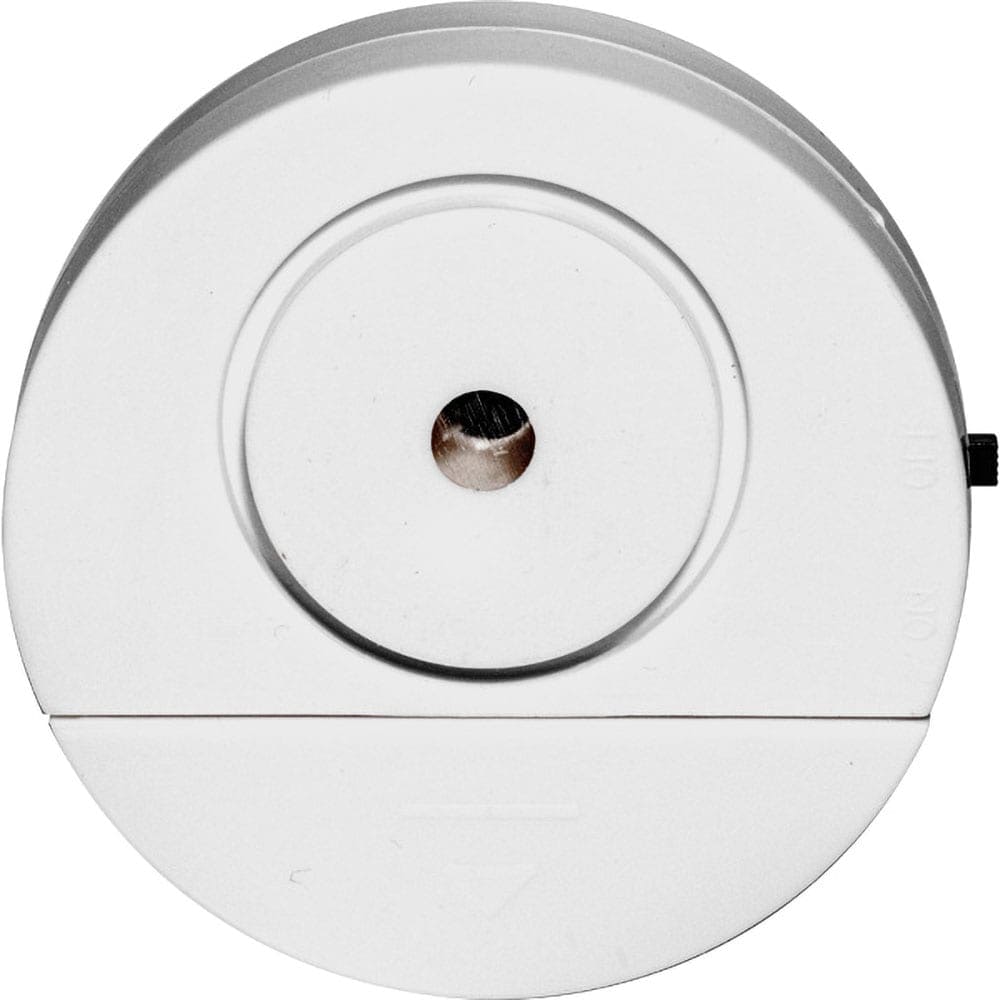
Second, think about what actually triggers the alarm. Magnetic contact sensors — like the ones in the Magnetic Door-Window Alarm 2-Pack — activate the moment a door or window separates from its frame, giving you the earliest possible warning. Vibration sensors catch rattling and impact before a full opening. And pressure-based alarms like the door stop model trigger when force is applied to the door itself. For maximum coverage of a toddler's likely escape routes, a combination of these sensor types is smarter than relying on just one.
Third, installation has to be realistic for parents. Anything requiring drilling, wiring, or professional setup usually doesn't get installed at all — or only gets installed on one door. The adhesive-mount and no-install designs here solve that problem completely. They go up in minutes, they're renter-friendly, and they can be repositioned when your living situation or child's habits change. Browse the full door and window alarm collection if you want to see additional options for your specific setup.
Frequently Asked Questions About Door and Window Alarms for Kids and Toddlers
At what age do children become a door and window escape risk?
Most children can turn a standard round doorknob by around age 2 to 3, and sliding doors or lever handles even earlier. Window openings become a concern as soon as a toddler can pull up to standing or climb on furniture — sometimes as young as 18 months. There's no single age threshold. If your child is mobile and curious about doors or windows, that's the right time to add an alert layer.
Will a door alarm wake a sleeping child during the night?
That's a fair concern. At 90–120 dB, these alarms are loud enough to startle a sleeping child nearby. In most cases, that's actually what you want — an alert that gets your attention fast and stops the situation before it progresses. If a child's bedroom is adjacent to an alarmed door, the brief noise of an alert you respond to quickly is a better outcome than the alternative. Most triggers last only seconds once you address the door.
Can my toddler accidentally set off the alarm and defeat the purpose?
Yes — a determined older toddler may eventually learn that the alarm makes noise when the door moves. That's actually useful information for a parent: it tells you they're attempting the door. For younger toddlers, the alarm itself often acts as a deterrent once they associate the sound with the action. These alarms aren't a substitute for supervision, but they close the gap when your attention is elsewhere.
Are door and window alarms legal to use in rental apartments and homes?
In virtually all U.S. jurisdictions, using adhesive-mount or no-install door and window alarms in a rental is completely lawful. These are personal safety devices, not permanent modifications to the property. Adhesive installation leaves no damage when removed correctly. That said, it's worth reviewing your specific lease if you have concerns — some landlords have unusual restrictions. The products here are specifically designed to be renter-friendly.
Do these alarms require Wi-Fi or a smartphone app to work?
None of the alarms featured here require Wi-Fi, an app, or any connectivity. They are standalone, battery-operated devices that sound an audible alert locally the moment they're triggered. There's no setup beyond installation, no subscription fee, and no dependency on your internet connection or phone. For parents who want something that just works — reliably, every time — that simplicity is the point.