free shipping on orders over $25!

Door and Window Alarms for Dementia Patients

You’ve probably already had the conversation—the one where someone in the family says “we need to do something before something happens.” Maybe your parent was found outside at 3 a.m., or you woke up to a door left open and your heart dropped before you found them safe in the kitchen. Wandering is one of the most serious risks for people with dementia, and it can happen faster than anyone expects. The good news is you don’t need a home security system, a professional installation, or a monthly contract to get real protection at every door. Simple, battery-powered alarms that trigger the moment a door or window opens can give you the heads-up you need—every time.

Our Top Picks for Dementia Wandering Prevention

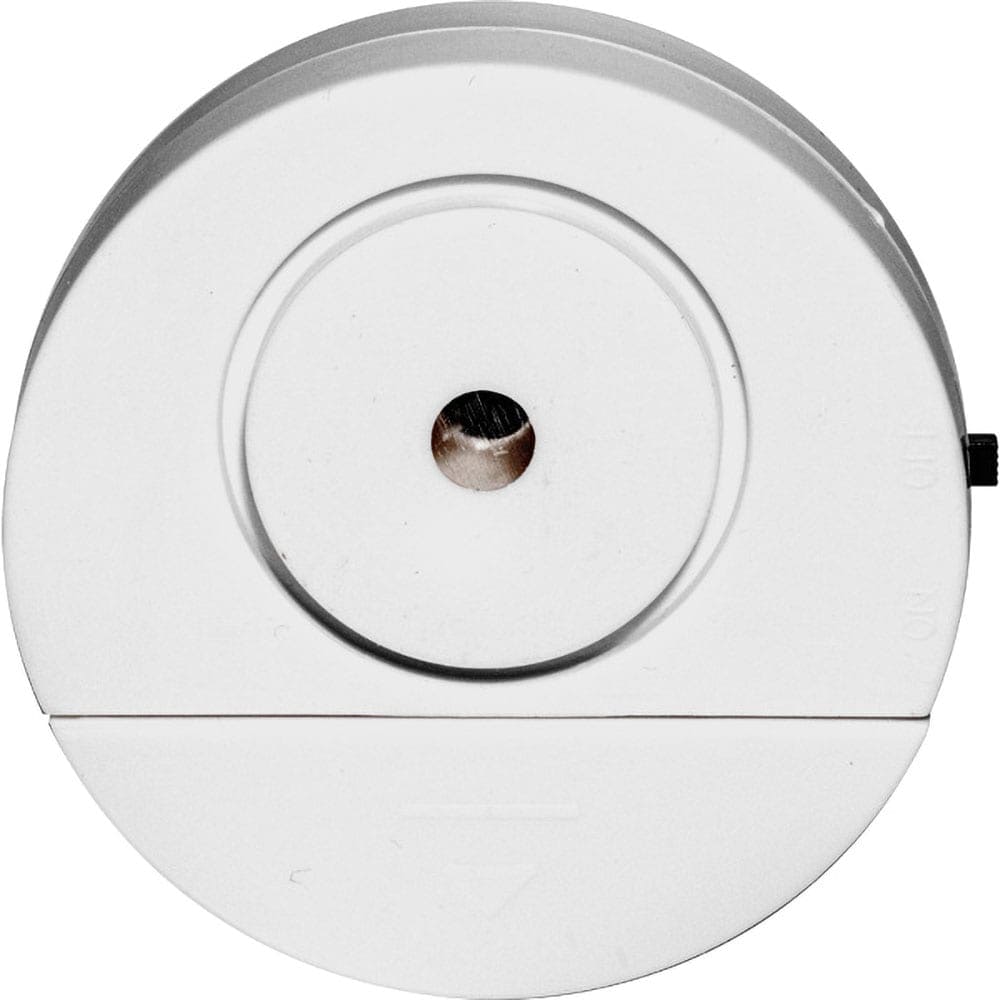
Triggers a 90 dB alert the instant a door or window opens—no wiring, no drilling, just peel-and-stick installation with batteries included, covering two entry points right out of the box.
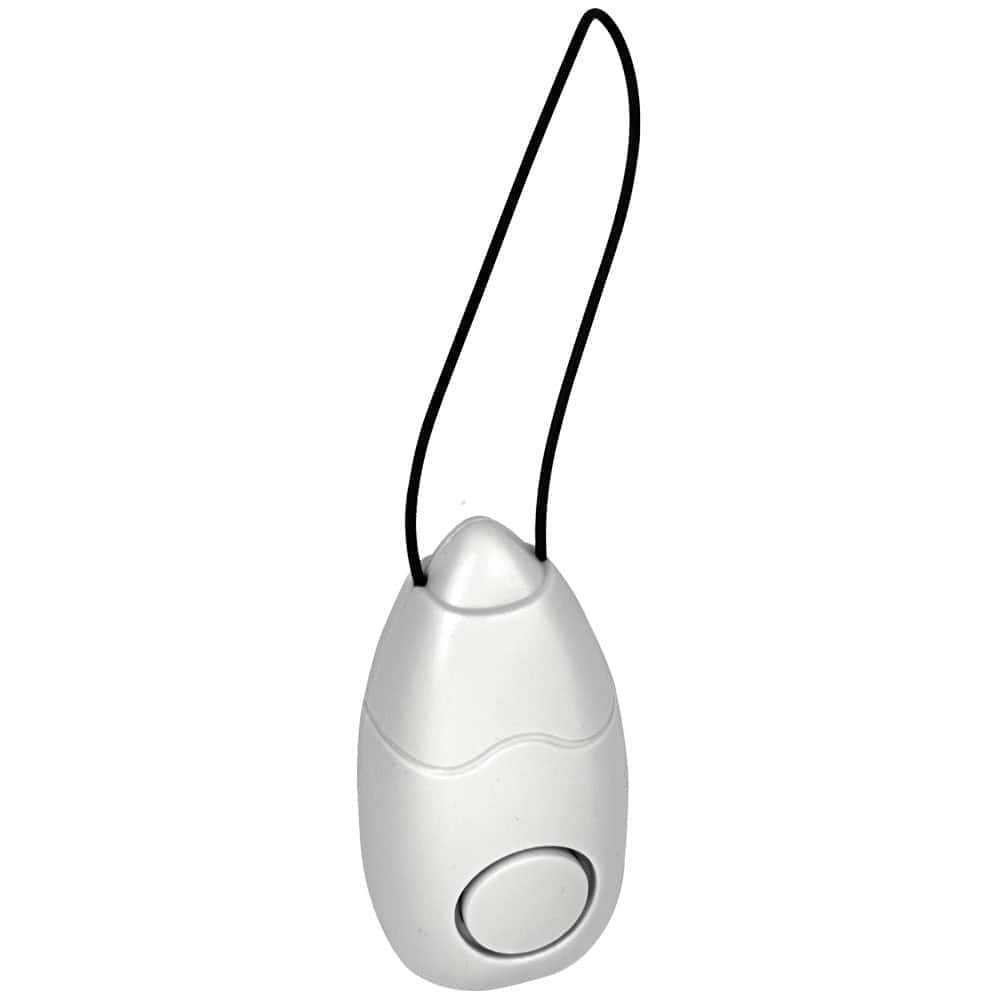
Doubles as a door/window burglar alarm or a personal panic alarm—the pull-pin activation and 120 dB siren make it one of the most versatile and portable alert options for a caregiver's home.
The wedge physically slows the door from opening while triggering a 120 dB alarm—giving you a critical extra second to respond before your loved one gets outside.
The 50-foot radar detection range alerts you before anyone reaches the door—useful for caregivers who need to monitor a large entryway or yard perimeter around the home.

What to Look for in a Door Alarm for Dementia Patients

Instant trigger, no delay. Most standard home security sensors have a brief delay window so you can disarm before the alarm sounds. For wandering prevention, that delay works against you. What you need is an alarm that sounds the moment the door or window moves—like the Magnetic Door-Window Alarm 2-Pack, which responds to the magnetic contact breaking rather than a timer. A few seconds of lead time can be the difference between catching your loved one at the threshold and finding them down the street.

Volume that reaches you, wherever you are. If you’re asleep in another room with the door closed, a 60 dB chime won’t cut it. Look for 90 dB or louder—the 2-in-1 Personal and Burglar Alarm reaches 120 dB, which is genuinely jarring and hard to sleep through even at distance. That said, louder isn’t always better for the patient. If your loved one is easily startled or distressed by sudden noise, a moderate volume alarm positioned closer to your bedroom may serve better than a maximum-volume siren at the exit door.

No wiring, no professional install. Caregivers don’t have time for a home security contractor. The alarms that work best in this situation are battery-operated with adhesive mounting—peel, stick, done. The Magnetic Door-Window Alarm 2-Pack installs on two doors in under five minutes with no drilling, no screws, and no damage to the door frame if you’re renting or may need to move.

Physical barrier vs. alert only. Some caregivers want the alarm to also slow the patient down, not just notify. The Door Stop Alarm does this—the wedge physically resists the door opening while the 120 dB siren sounds. This gives you an extra second or two to respond before the door is fully open, which matters at 2 a.m. when every second counts. It’s worth having at least one physical-barrier alarm on the most-used exit, paired with contact alarms on the others.

Battery life and maintenance. An alarm that needs a battery change every two weeks is an alarm that will eventually go silent at the wrong time. Check battery type and estimated life before you buy. The magnetic contact alarms in this category typically run for months on a standard 9V or AAA battery. Keep a small supply of the right batteries on hand, and test each alarm briefly once a month—just open the door and confirm it sounds.

How to Set Up Door Alarms for Dementia Wandering Prevention

Start with the most-used exits. Most people with dementia gravitate toward familiar exits—usually the front door they’ve used for decades. Start there and at the back door, then add windows or secondary doors as needed. The Magnetic Door-Window Alarm 2-Pack covers two entry points right out of the box, which handles the most common scenario in most homes.

Mount the alarm out of sight and out of reach. Many people with dementia are surprisingly resourceful when they want to leave. If they can see the alarm and have seen you remove it, they may try to remove it themselves. Mount the sensor on the top portion of the door frame—high enough that it’s out of their natural field of vision. The adhesive-mount design makes repositioning easy if you need to adjust.

Think about nighttime specifically. Sundowning—increased confusion and restlessness in late afternoon and evening—is common in dementia patients and accounts for a large share of nighttime wandering. Make sure every alarm is armed before you go to sleep. If your loved one sometimes disengages alarms during the day, consider a secondary alert closer to your sleeping area so you’re notified even if the primary alarm is tampered with.

Pair with a personal alarm for caregivers in large homes. In a large home where the bedroom is far from the main exits, a door-mounted alarm may not be audible from your room. Carrying a personal alarm or using a secondary alert device in your bedroom can ensure you’re reached no matter where you are. The 2-in-1 Personal and Burglar Alarm works in both modes—door security and personal carry—making it one of the more practical options for caregivers managing multiple rooms.

Frequently Asked Questions

Q: What type of door alarm works best for a dementia patient who wanders at night?

A: A magnetic contact alarm like the Magnetic Door-Window Alarm 2-Pack is the most reliable choice for nighttime wandering. It triggers instantly the moment the door opens—no motion delay, no sensitivity adjustment needed. The 90 dB alert is loud enough to wake a sleeping caregiver in another room without being so jarring that it distresses the patient. Because it runs on batteries and mounts with adhesive, you can install it on any door in minutes.

A: In most home care situations, a family caregiver installing a door alarm in their own home does not require the patient’s formal consent. However, if your loved one lives in a licensed care facility or adult family home, regulations vary by state and facility. For assisted living or memory care settings, check with the facility administrator and your state’s elder care guidelines. See our Laws & Restrictions page at https://reveresecurity.com/law-and-restrictions/ for more general information on alarm use and your local rules.

Q: Where is the best place to install a door alarm for a dementia patient?

A: Install on every exterior door the patient can reach—front door, back door, and any door to a garage or yard. If the patient tends to wander at night, also consider interior bedroom door alarms so you’re alerted before they reach an exit. The Magnetic Door-Window Alarm 2-Pack covers two entry points in one purchase, which makes it easy to secure both a front and back door right away. Place the alarm unit high enough on the door frame that it’s out of sight and out of reach.

Q: How does a door alarm compare to a GPS tracker for keeping a dementia patient safe?

A: Door alarms and GPS trackers solve different problems. A door alarm alerts you the moment your loved one attempts to leave—giving you a chance to intervene before they’re outside. A GPS tracker tells you where they are after they’ve already wandered. For home safety, a door alarm is the first line of defense because it’s immediate and requires no action from the patient. GPS is a good backup layer if your loved one does get out, but it shouldn’t replace the alarm at the door.

Q: Will the alarm sound disturb or frighten the dementia patient?

A: It’s a fair concern. The 90 dB alert on the Magnetic Door-Window Alarm 2-Pack is loud enough to wake a caregiver without being the kind of piercing shriek that causes panic. Every person with dementia responds differently to sudden sounds, so it’s worth observing how your loved one reacts the first few times the alarm triggers. If distress is an issue, consider pairing the door alarm with a quieter chime-mode device closer to the caregiver’s sleeping area, so you hear it first and can respond calmly before the patient becomes agitated.

Not Sure Which Door Alarm Is Right for Your Situation?

Every home layout and every patient is different—if you want to talk through which combination of alarms makes the most sense for your setup, give us a call at 800-859-5566. We're here to help you figure out what will actually work, not just sell you something.

Shop All Door & Window Alarms