What to Look for in an EDC Knife
Choosing the right everyday carry knife comes down to four things: deployment speed, carry comfort, blade length, and legal compliance. Deployment speed matters more than most people realize until they actually need to open a knife quickly — spring-assist and OTF designs give you a usable blade in under a second with one hand, which is a real-world advantage over a plain manual folder. If you've never compared the two, it's worth handling both before deciding.
Carry comfort is just as important. A knife that's awkward in your pocket gets left behind. Look for a low-profile clip, a handle that doesn't print through your pocket, and a weight that you genuinely forget is there after the first week. Most people settle on something in the 3–4 inch blade range because it balances everyday utility against concealability — long enough to be useful, short enough to carry without thinking twice.
Before you buy, spend five minutes checking your state and local laws. Blade length limits, automatic knife restrictions, and balisong regulations vary significantly across the country. Most spring-assist knives are legal in the majority of states, but OTF automatics and balisongs have more specific rules depending on where you live. That's not a reason to avoid them — it's just something worth knowing upfront. You can browse the full knife catalog at Revere Security to compare styles and find what fits your situation.
Frequently Asked Questions
What's the difference between a spring-assist knife and an OTF automatic?
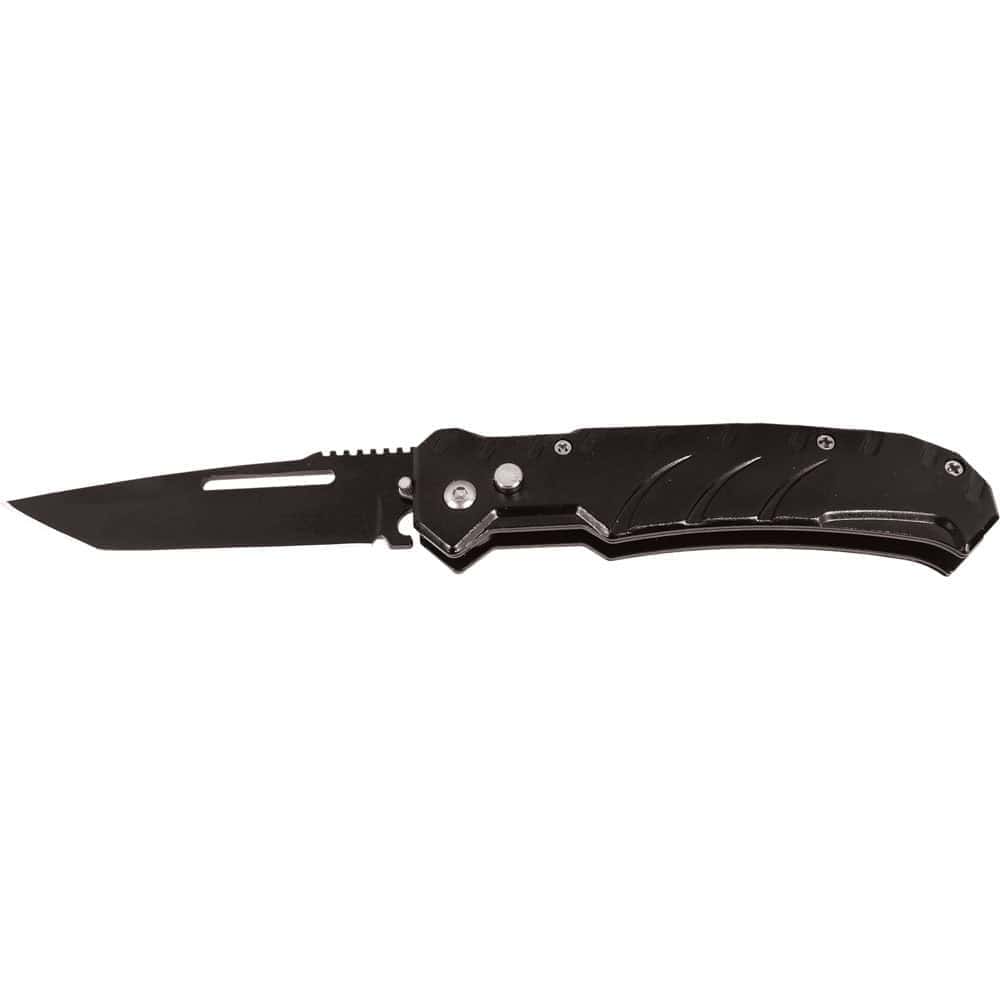
A spring-assist knife requires you to manually start the opening motion — a thumbstud or flipper engages the spring which finishes the open. An OTF (Out The Front) automatic deploys the blade straight out the front with a button press, no wrist motion at all. OTFs are generally faster and fully one-handed, but they're regulated as automatic knives in some states. Spring-assist knives are legal in more places and are still significantly faster than a plain manual folder.
Is an everyday carry knife legal in my state?
It depends on where you live and what type of knife you're carrying. Most folding knives with blades under 3–4 inches are legal to carry in most states. Automatic knives (including OTFs) are restricted or prohibited in some states. Balisong/butterfly knives face their own set of regulations. Before purchasing, check your state statutes and local ordinances — this is on you to verify, and it's worth doing right. When in doubt, the spring-assist folder is the most broadly legal option on this page.
What blade length is best for everyday carry?
For most people, a 3 to 4 inch blade hits the sweet spot. It's long enough to handle practical cutting tasks — boxes, rope, food — and substantial enough if self-defense is a consideration. It's also the range that stays legal in the widest number of jurisdictions. Blades over 4 inches start running into restrictions in some states and cities, and they're less pocketable day to day. The OTF on this page has a 3.75-inch blade; the spring-assist runs in a similar range.
Can I use an EDC knife for self-defense?
A knife can be a last-resort self-defense option, but it comes with serious responsibility. Unlike pepper spray or a stun gun, using a knife in a confrontation has significant legal and ethical weight. The knives on this page are tagged for self-defense, but the honest answer is that deterrence and de-escalation are better outcomes than deployment. If self-defense is your primary concern, consider whether a non-lethal option like pepper spray makes more sense for your situation alongside a utility knife for EDC tasks.
How do I choose between a balisong and a folding tactical knife for EDC?
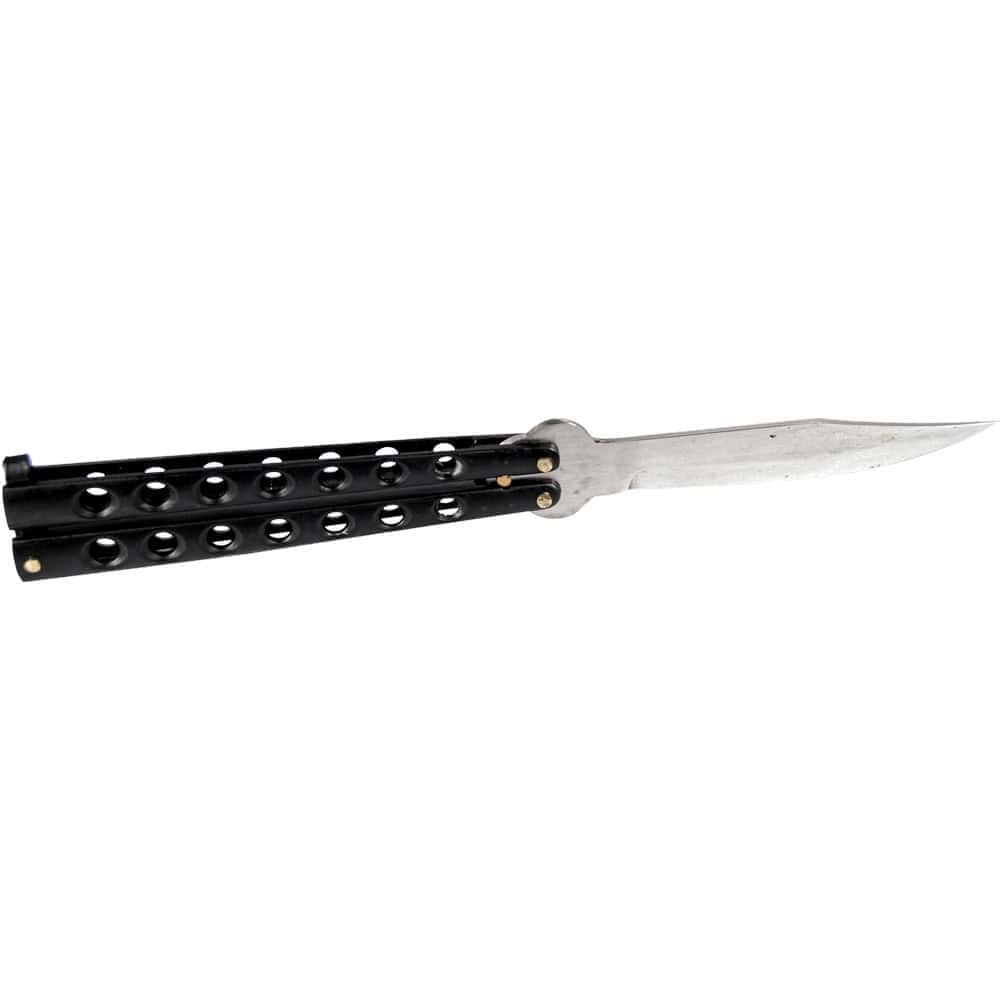
It comes down to your priorities. A spring-assist or OTF folder is faster to deploy with one hand and more practical for everyday tasks. A balisong is a skill-based carry that takes practice to open quickly — it's better suited for someone who enjoys the flipping discipline and wants something distinctive. If pure utility and speed are the goal, go with the spring-assist or OTF. If you're into the craftsmanship and practice element, the balisong is a rewarding carry where it's legal.
Ready to Choose Your EDC Knife?
You've got a clear picture now of what's out there and what fits different situations. Whether you go with the practical Spring Assist Tactical Knife for an affordable daily driver or step up to the OTF Automatic for one-button deployment, the right call is the one that fits how you actually carry — not just what looks good in a photo. Browse the full EDC knife collection at Revere Security and find the one you'll actually have with you.