free shipping on orders over $25!

Diversion Safes for Home: Hide Valuables Where Burglars Never Look

Here’s something most people don’t think about until it’s too late: a burglar who gets into your home doesn’t need to crack a safe. They already know where to look — the master bedroom dresser, the closet shelf, the obvious lockbox under the bed. What they don’t have time for is examining every can in your refrigerator, every book on your shelf, or every cleaning product under your sink. That’s exactly the logic behind a diversion safe. No installation, no combination to forget, no obvious target to find — just an ordinary household item sitting exactly where it belongs, holding exactly what you decide to protect.

Our Top Picks for Home Diversion Safes

Installs flush in your wall like a real outlet — completely invisible even to people who know to look for hidden safes.
Realistic hardcover dictionary with a key lock — concealment and a physical barrier, two layers of protection on your bookshelf.
Full-size canister with a larger compartment than standard can safes — sits right on the kitchen counter where it belongs and burglars never bother.
The largest compartment of any can-style safe — stores more cash, jewelry, or documents in a utility room or cleaning supplies area where no burglar bothers to look.

What to Look for in a Diversion Safe for Your Home

Placement logic matters more than the design itself. A realistic-looking coffee canister loses all its value if you put it in the bedroom — the one room burglars hit first. The best diversion safe for your home is the one that belongs where you put it. The Coffee Container Diversion Safe earns its spot on the kitchen counter. The Spray Bottle Diversion Safe belongs in the utility closet. The Wall Socket Diversion Safe doesn’t “belong” anywhere because it looks like it’s built into the house. Think about placement before you think about which product to buy.

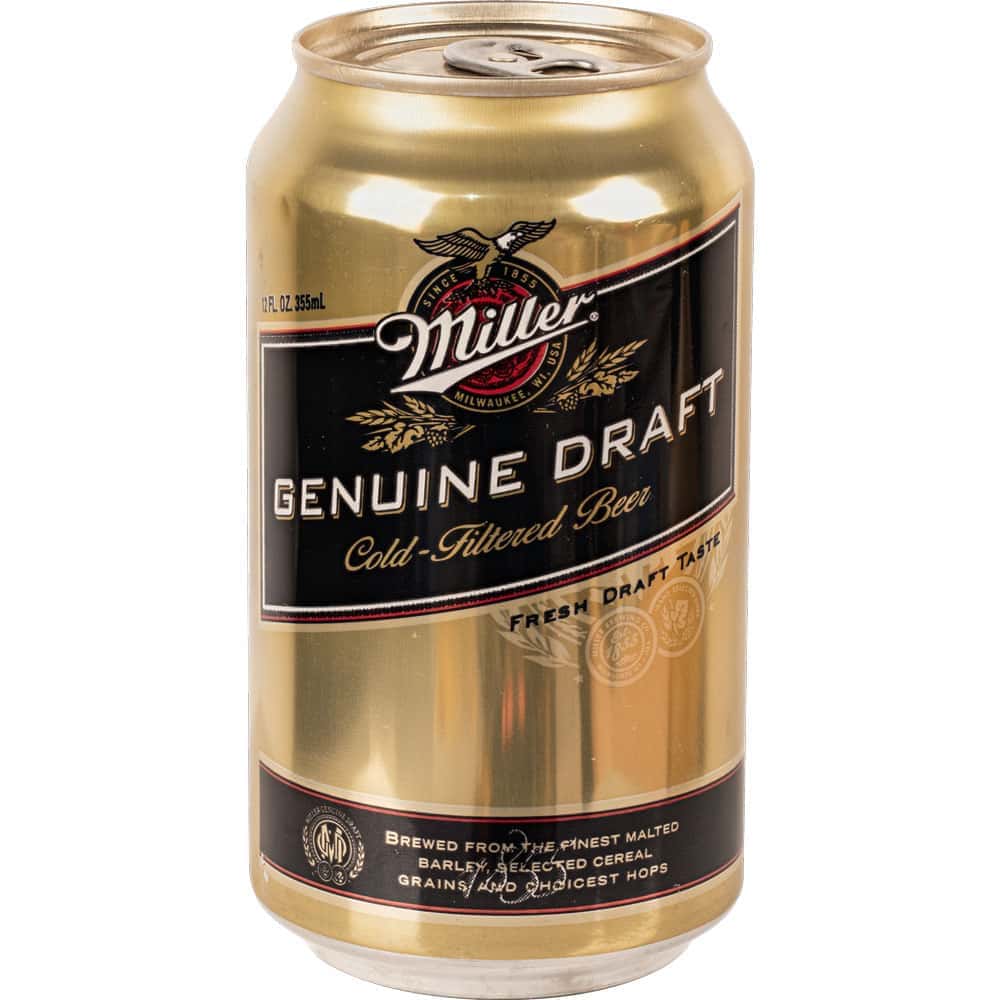
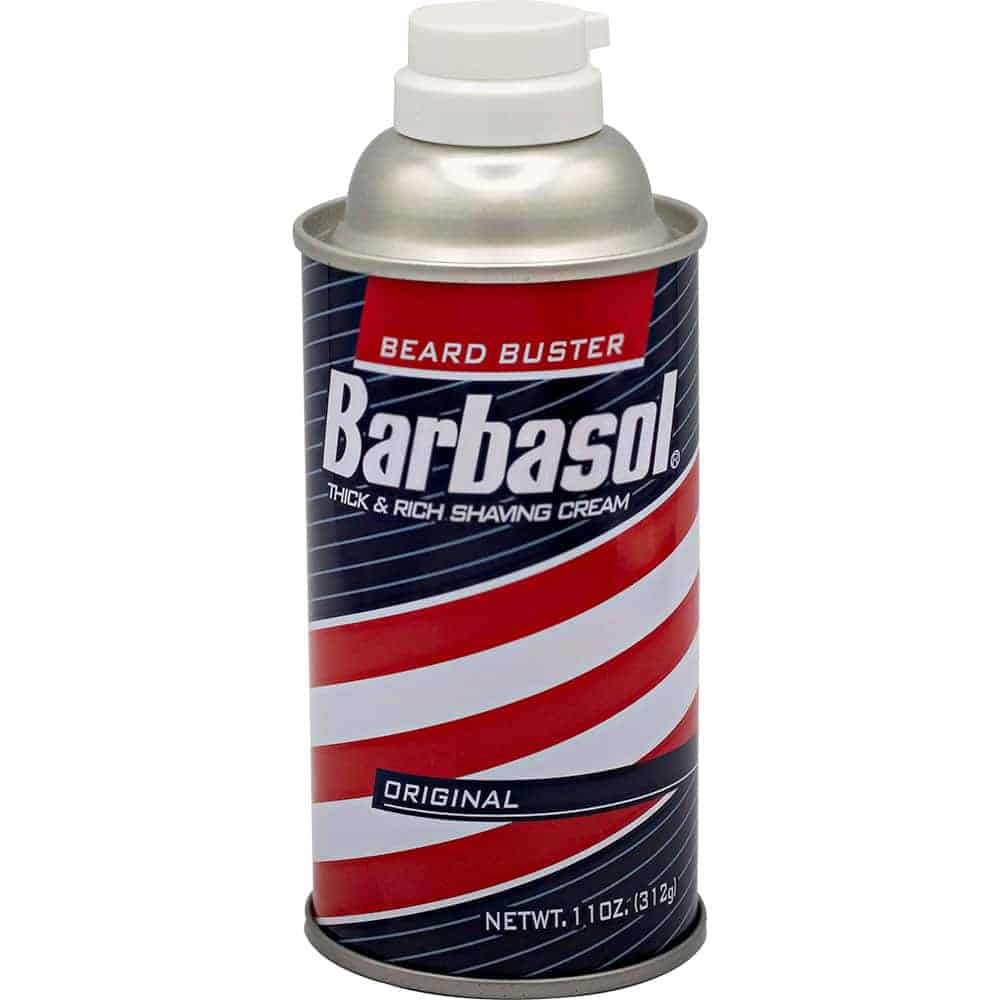
Compartment size determines what you can actually protect. Most soda can-style safes hold folded cash, a key, or a small piece of jewelry. That’s fine for emergency funds. But if you want to protect a passport, a small stack of documents, or several pieces of jewelry at once, you need a larger compartment. The Spray Bottle Diversion Safe offers one of the biggest storage areas in the category at 1.75 x 5.25 inches — meaningfully more than a beverage can. The Coffee Container Diversion Safe holds nearly as much and fits more naturally in a common room.

Concealment alone versus concealment plus a lock. Almost every diversion safe relies entirely on not being found. That works — until it doesn’t. The Book Diversion Safe is the rare option that adds a physical key lock on top of the concealment, so even someone who happens to pick it up can’t open it without the key. If you’re storing anything you genuinely can’t afford to lose — medication, irreplaceable documents, a larger amount of cash — the added layer of a lock is worth considering.

How realistic does it look under handling? The best diversion safes are weighted to feel like the real product when picked up. An empty-feeling coffee canister doesn’t fool anyone who happens to move it. Look for products described as weighted — that detail is what separates a convincing diversion safe from one that gives itself away the moment someone shifts it off a shelf.

Permanent versus portable. Most diversion safes can be moved easily — you pick them up and take them with you. The Wall Socket Diversion Safe is the exception. It installs into your wall as a flush-mount fake outlet and stays there. That permanence is a feature, not a limitation: it can’t be accidentally moved, noticed on a countertop, or picked up by anyone other than you. If you’re a homeowner who wants the most invisible possible option and doesn’t mind a one-time installation, it’s in a different class than the rest.

How to Use Diversion Safes Effectively at Home

Don’t use just one. A single diversion safe creates a single point of failure. If it’s ever found — by a thorough burglar, a curious houseguest, or a contractor working in your home — everything you stored there is gone. The smarter approach is to spread valuables across two or three safes in different rooms. Emergency cash in the Spray Bottle Diversion Safe in the utility closet, jewelry in the Coffee Container Diversion Safe in the kitchen, important documents in the Book Diversion Safe on the bookshelf. No single discovery tells the whole story.

Keep it where it belongs. The product works because it looks like it has a reason to be there. A hairspray can on the kitchen counter looks wrong. A spray bottle of cleaning product in the living room looks wrong. Put each safe exactly where the real version of that item would naturally live, and it becomes invisible. Move it somewhere it doesn’t belong and you’ve already compromised the concealment.

Don’t tell people you have one. This sounds obvious, but it’s worth saying. Diversion safes don’t work if the people with access to your home know which items are real and which aren’t. The protection is in the secret, not the product.

Mix diversion safes with other security layers. A diversion safe isn’t a replacement for door/window alarms, a traditional safe for larger items, or basic home security habits. It’s a complement — specifically for the everyday valuables you want accessible to you but hidden from everyone else. Think of it as the layer between your front door locks and your full-size safe.

Frequently Asked Questions

Q: How do diversion safes actually work to protect valuables at home?

A: Diversion safes work on the same principle burglars count on: they’re in a hurry. Research shows the average burglar spends 8 to 12 minutes inside a home and goes straight for the master bedroom, office desk, and jewelry box. A Wall Socket Diversion Safe flush-mounted in your wall or a Coffee Container Diversion Safe on your kitchen counter doesn’t register as a target — it registers as furniture. Concealment beats locks every time because a burglar who never finds your valuables can’t take them.

A: Yes — diversion safes are completely legal to own and use in your home across all 50 states. They’re personal property storage, no different than a lockbox or filing cabinet. There are no restrictions on using them to hide cash, jewelry, documents, or other valuables. For a full overview of non-lethal home security product regulations in your state, see our Laws and Restrictions page at https://reveresecurity.com/law-and-restrictions/.

Q: Where should I place a diversion safe in my home for maximum security?

A: The best placement is wherever the item would naturally belong — and not in the bedroom. Burglars head there first. A Book Diversion Safe belongs on a living room or office bookshelf among actual books. A Coffee Container Diversion Safe belongs on the kitchen counter next to your coffee maker. A Spray Bottle Diversion Safe belongs in the utility closet or under the sink. The goal is a hiding spot that nobody questions because the item has obvious business being there.

Q: How is a diversion safe different from a regular home safe?

A: A traditional home safe depends entirely on its lock to protect valuables — and a determined burglar knows exactly what it is and what’s inside. A diversion safe relies on concealment: it doesn’t look like a safe at all. The trade-off is size (diversion safes hold cash, jewelry, and small documents rather than large items) and the fact that most don’t lock. The Book Diversion Safe is the exception — it includes a key lock, giving you both concealment and a physical barrier. For most people, the combination of a diversion safe for everyday valuables plus a traditional safe for important documents is the smartest approach.

Q: Can I use more than one diversion safe to protect different areas of my home?

A: That’s actually the smartest strategy. Using multiple diversion safes in different rooms means no single discovery compromises everything. Keep emergency cash in a Spray Bottle Diversion Safe in the utility room, important documents in a Book Diversion Safe on the bookshelf, and jewelry in a Coffee Container Diversion Safe in the kitchen. Spreading valuables across locations — and only you know which items are real — is far more effective than relying on any single hiding spot.

Not Sure Which Diversion Safe Is Right for Your Home?

Different homes, different layouts, different things worth protecting — there's no one-size answer. Give us a call at 800-859-5566 and we'll help you figure out which options make the most sense for where you live and what you need to keep safe.

Shop All Diversion Safes