What to Look for in a Personal Alarm for Campus Life
Volume: Decibels matter. A 90 dB alarm is noticeable; 120–130 dB is genuinely disorienting and carries hundreds of feet. On a busy campus — or a quiet one at 2 a.m. — that range difference is real. If you're in a loud environment like a parking garage or a crowded area, louder is better.
Activation method: Under stress, fine motor skills go first. Pull-pin activation is reliable because it's a single, gross motor movement. Look for an alarm you can trigger without looking at it, without pressing a precise button, and without both hands free.
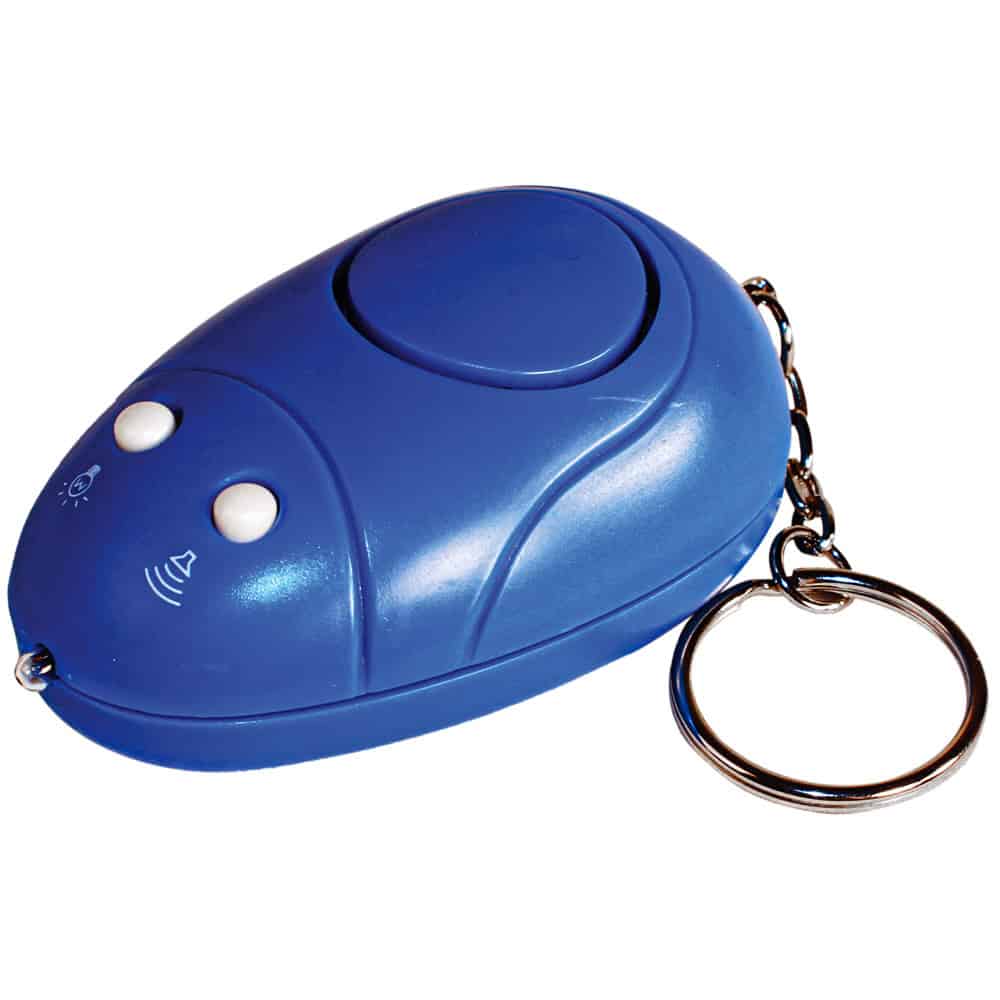
How you'll carry it: The alarm that stays in your dorm room isn't doing you any good. Think about where it needs to live — keyring, bag strap, belt clip, or purse — and match the alarm to that spot. If it's inconvenient to carry, you won't carry it.
Battery situation: Most alarms run on standard AAA batteries — easy to replace and easy to find on campus. Some rechargeable models eliminate that concern entirely. Either way, check it periodically. A dead alarm is no alarm.
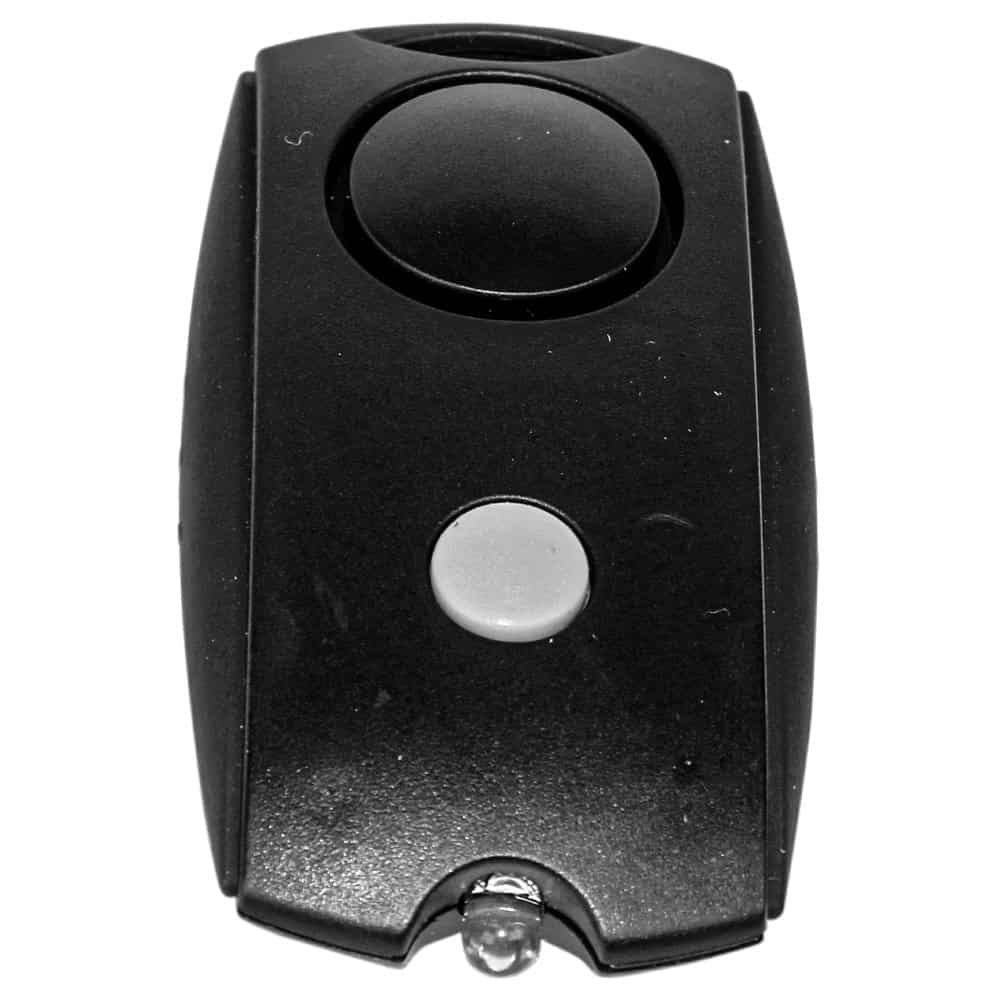
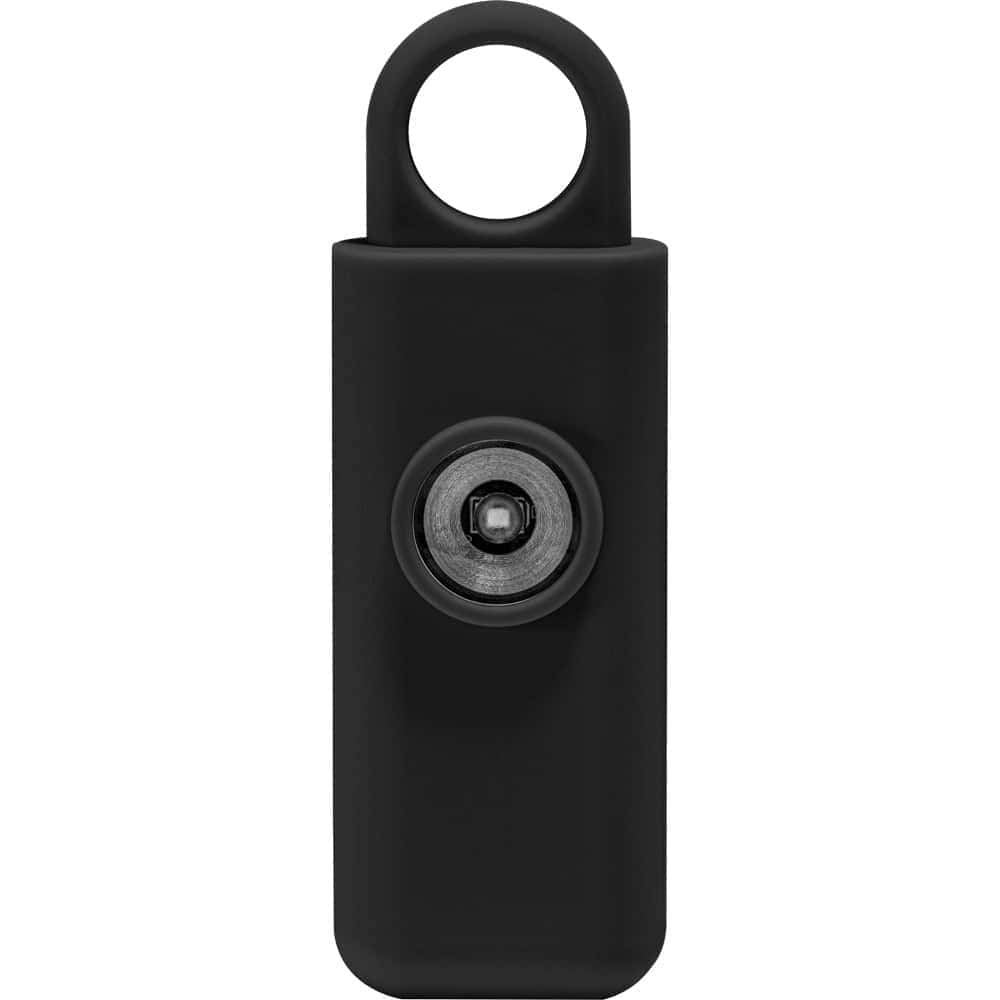
Extra features: A built-in LED light is genuinely useful night-to-night, not just in emergencies. If an alarm does double duty as a flashlight, you'll actually reach for it regularly — which means it's in your hand when you need it. A strobe adds another layer: disorienting for an aggressor, highly visible to anyone nearby who can help.
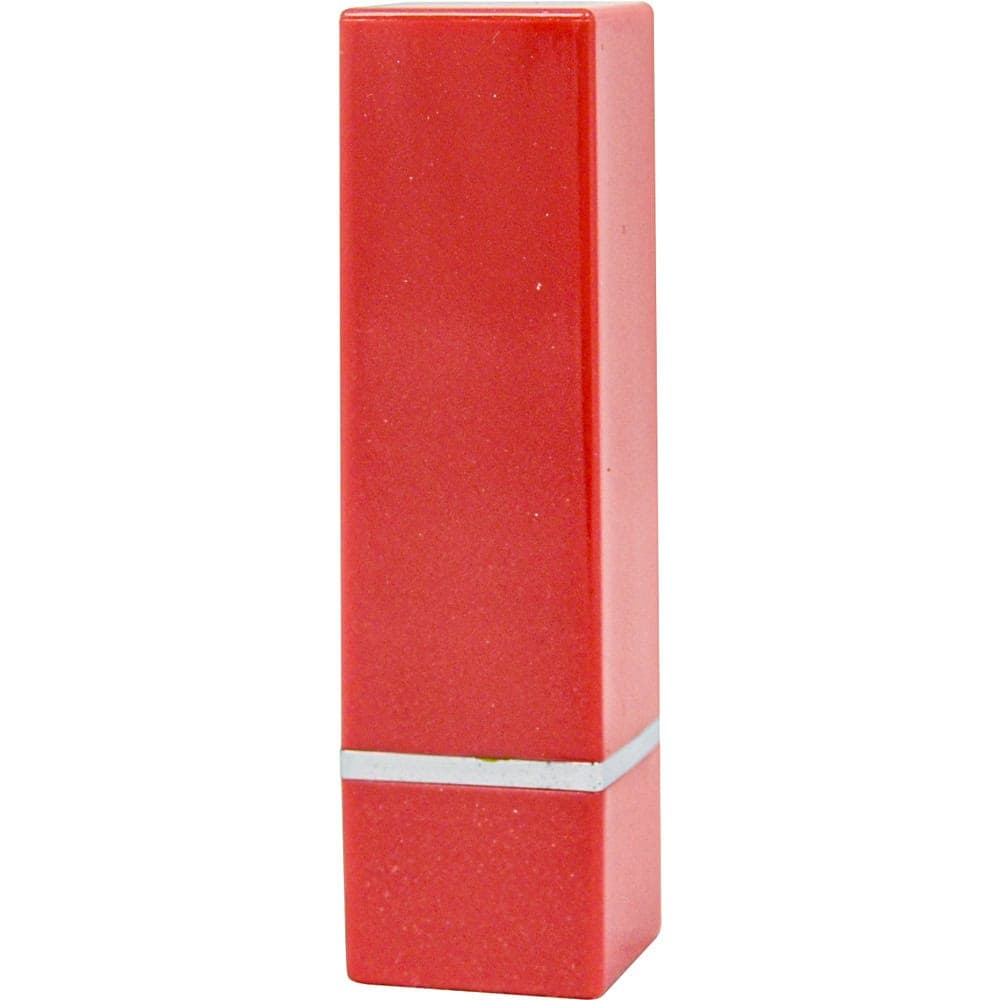
Discretion: In some situations — a shared dorm hallway, a campus event, walking through a neighborhood you're unsure about — you may not want it obvious that you're carrying a safety device. A disguised alarm like a lipstick-style design handles this without sacrificing function.
How to Carry and Use a Personal Alarm Effectively
The most important thing: keep it somewhere you can reach it without thinking. That usually means your keyring, your bag's outer pocket, or a clip on your strap — not buried at the bottom of a backpack. The goal is that when your hands are already full and you're moving fast, you can still activate it.
Practice the activation motion before you need it. It sounds obvious, but knowing exactly how to pull the pin or press the button — in the dark, with one hand, while moving — builds real confidence. You're not drilling for a crisis; you're just making sure the tool works for you the way it's supposed to.
A personal alarm works best when it's not a surprise to you. If you've thought through the scenarios where you'd use it — late night walks, unfamiliar areas, isolated stairwells — you won't hesitate when the moment comes. You'll already know what to do: activate, move away from the threat, and get toward people and light.
Finally, don't treat it as your only layer of safety. Let someone know your route and ETA when you're walking alone at night. Use campus escort services when they're available. A personal alarm is a strong, practical tool — and it works even better when it's part of a broader habit of awareness.
Frequently Asked Questions
Are personal alarms legal to carry on college campuses?
Personal alarms are legal in all 50 states and are generally permitted on campus — they're non-weapon safety devices. That said, it's worth checking your school's specific policies, and if you're ever unsure about laws in your area, our law and restrictions page is a good starting point.
How loud does a personal alarm actually need to be?
At 120–130 dB, a personal alarm exceeds the human pain threshold and carries several hundred feet in open air — enough to be heard across a parking lot or down a campus walkway. The practical difference between 90 dB and 130 dB is significant, especially in environments with ambient noise.
What's the most practical way to carry a personal alarm as a student?
Clip it to your bag strap or put it on your keyring — whichever means it's already in reach when your hands are full. The goal is that activating it doesn't require digging through your bag. The alarm you actually have with you is the one that can help you.
How does a personal alarm compare to pepper spray for campus safety?
Both are legitimate options. Pepper spray requires you to aim and deploy a chemical agent, which takes more presence of mind under sudden stress. A personal alarm is simpler — one pull and it's doing its job. Some students carry both; others prefer the alarm because it works immediately, requires no aim, and carries no risk of accidental exposure to yourself or bystanders.
What do I do after I activate a personal alarm?
Move. The alarm's job is to create noise and attention — your job is to put distance between yourself and the threat and get toward other people. Head toward light, traffic, or any occupied space. Keep the alarm active as you move, and call 911 as soon as you can safely do so.
Not Sure Which One Is Right for You?
If you're trying to decide between these options, we're happy to help you think it through. Call us at 800-859-5566 — no pressure, just straight answers from people who know these products well.
Shop Personal Alarms