What to Look for in a Personal Alarm for Running?
Not every personal alarm is built with runners in mind, and the differences matter when you're moving. Here's what actually counts when you're evaluating your options:
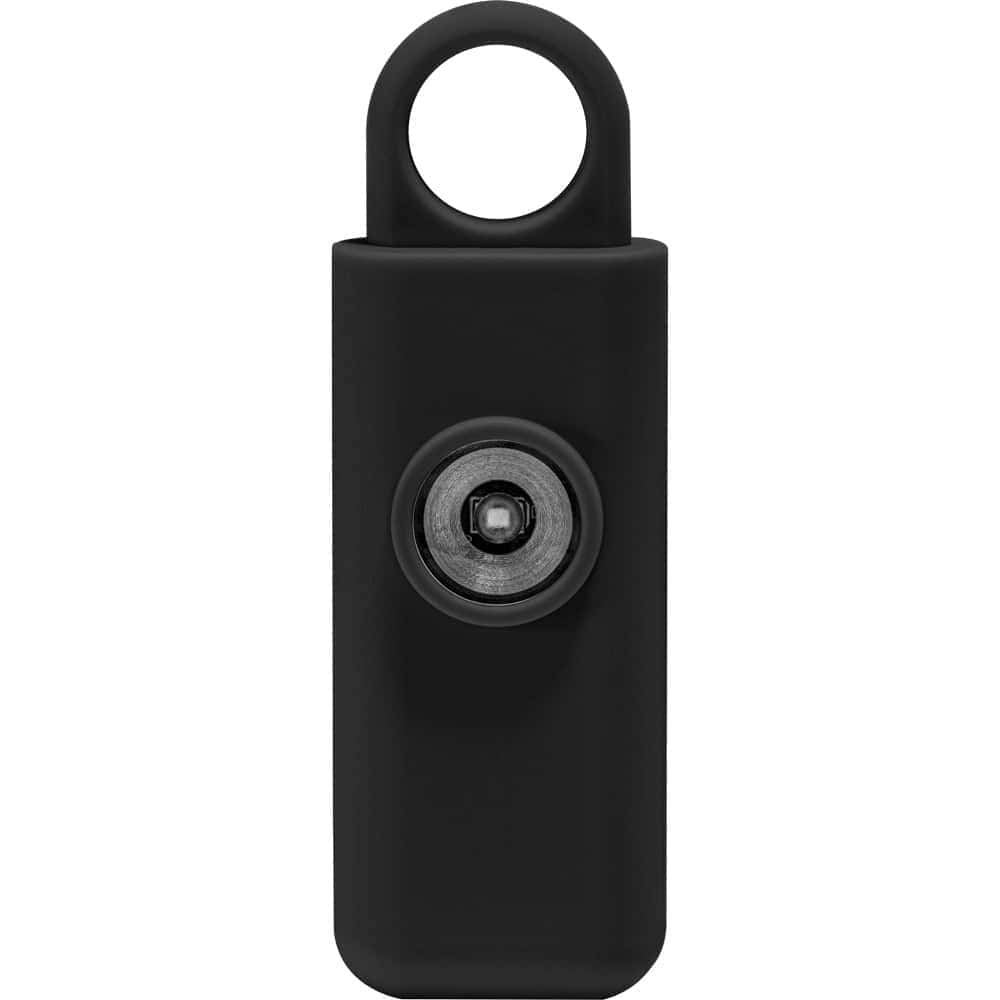
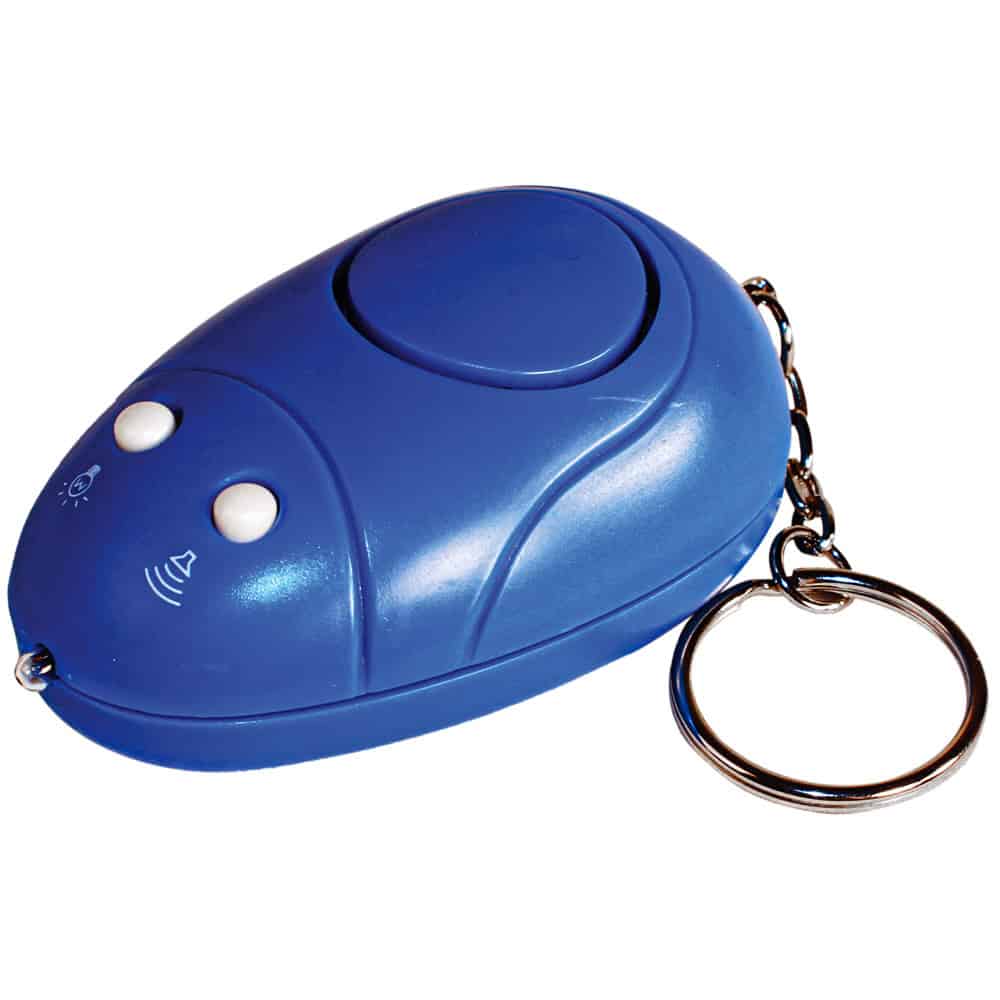
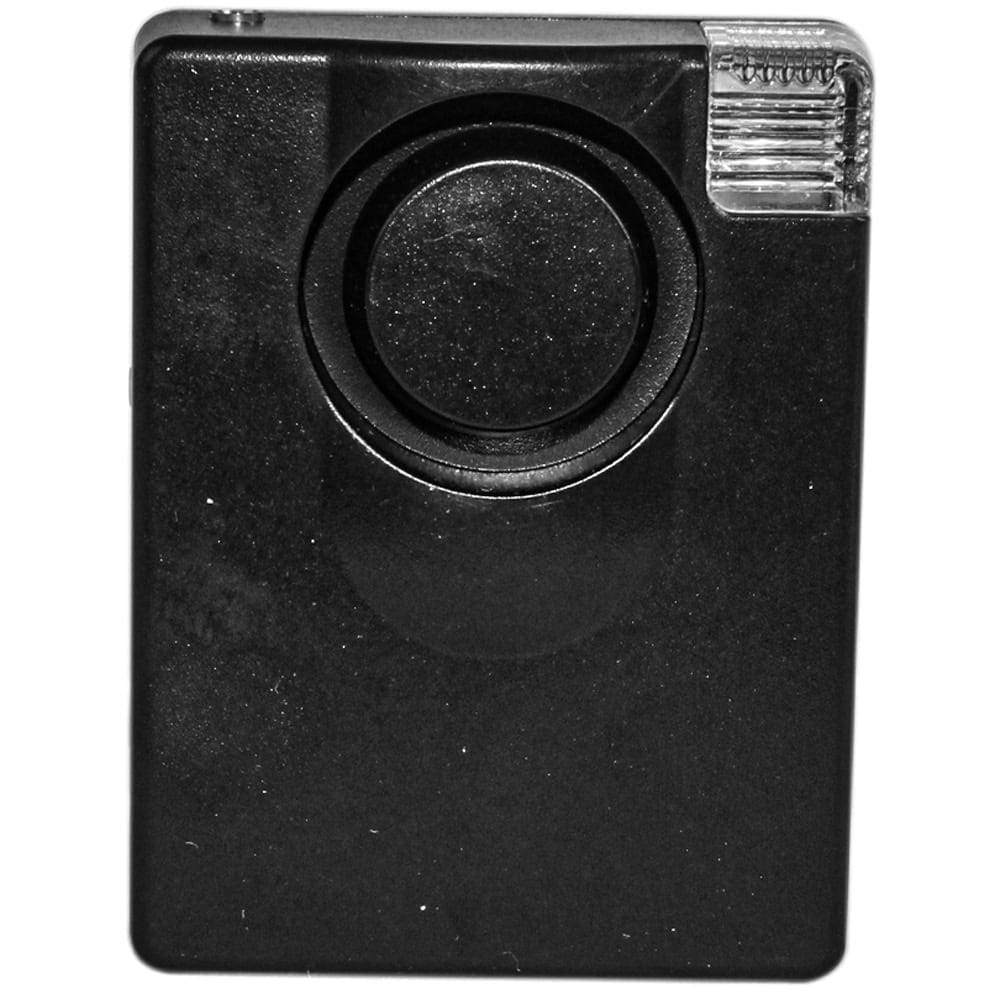
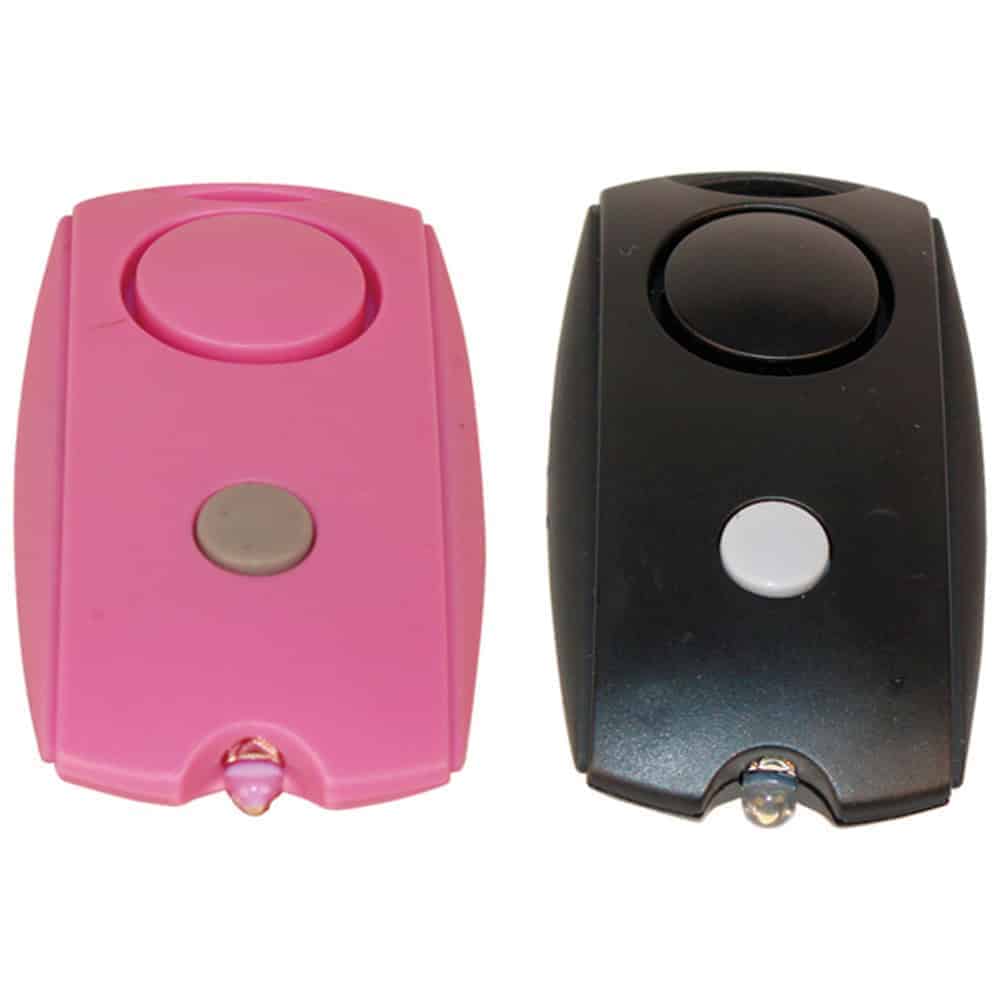
Activation method. Pull-pin designs are hard to beat for running — no buttons to find, no accidental discharges from bumping against gear. You pull, it screams. That simplicity is exactly what you want when your hands are cold, your pace is up, and you don't have time to think. Button-activated alarms work too, but make sure the button requires intentional pressure so it doesn't fire every time your arm swings. Carry style. A personal alarm that lives in your hydration pack does you no good. Look for keychain or belt clip options that stay on your body for the entire run. If you wear a race belt or running vest, clip it there. If you're a minimalist runner with just your keys, a keychain model is the right call. The best alarm is the one you actually have with you. Sound output. 120–130 dB is the range you want. That's louder than a car horn and audible at a significant distance — enough to draw attention from nearby homes, other runners, or passing traffic. Anything below 100 dB starts losing effectiveness in outdoor environments. Light features. If you run before sunrise or after sunset, a built-in flashlight or strobe adds genuine value. It helps you see where you're going and makes you visible to traffic. A strobe mode has the added benefit of disorienting anyone who gets too close. You can explore the full range of options in our personal alarms collection.
Frequently Asked Questions
How loud does a personal alarm need to be for outdoor running?
For outdoor use, you want at least 120 dB — and 130 dB is better. Sound dissipates in open air, so the louder the alarm, the farther it carries. A 130 dB siren can be heard from a significant distance, which is enough to alert nearby residents, other trail users, or passing drivers. Anything below 100 dB is better suited for indoor environments and loses much of its effectiveness outside.
Where should I carry a personal alarm when I run?
Carry it somewhere accessible in one motion — not buried in a pocket or zipped into a bag. A keychain clip works well if you carry keys on a race belt. A belt clip model attaches directly to your waistband or running shorts. The goal is that you can reach it and activate it without breaking stride or searching for it. If you have to think about where it is, it's not in the right place.
Is a personal alarm enough protection for a solo runner?
A personal alarm is a solid first layer of protection — it's loud, legal everywhere, and requires zero training to use. It's particularly effective because it draws attention, which is exactly what most threatening situations don't want. That said, some runners pair an alarm with pepper spray for added options. Think of the alarm as your signal device: it buys you time and draws help. What you do with those seconds is up to you.
Are personal alarms legal to carry while running in all states?
Yes — personal alarms are legal in all 50 states. Unlike pepper spray or stun guns, there are no age restrictions, permit requirements, or prohibited locations associated with carrying a personal alarm. You can bring one on a plane in your carry-on, into schools, government buildings, and anywhere else without legal concern. It's one of the most universally accessible personal safety tools available.
Will a personal alarm accidentally go off during a run?
A well-designed alarm won't activate accidentally. Pull-pin models only trigger when the pin is physically removed, so normal arm movement won't set them off. Button-activated alarms typically require firm, intentional pressure. That said, it's worth testing your specific model before your first run with it — get familiar with how it activates, how to reset it, and how loud it actually is. You don't want your first experience with it to be a surprise.
Ready to Run with More Confidence?
You put thought into your shoes, your route, and your pace — your safety deserves the same consideration. The Personal Panic Alarm with Strobe is a strong choice for runners who want both sound and light in one compact device, but every option in our personal alarms collection is worth a look. Find what fits your carry style and go.