free shipping on orders over $25!

Personal Alarms for Elderly Adults — Loud, Simple, No Monthly Fee

You’re not looking for something complicated. Maybe your mom takes a morning walk alone, or your dad lives independently and you’re two hours away when your phone rings. What you need is something that works the moment it’s needed — no app, no subscription, no fumbling with buttons. A good personal alarm doesn’t require strength, technical know-how, or perfect aim. It just needs to be loud, on their person, and simple enough to activate in a split second. That’s exactly what the alarms below are built to do.

Our Top Personal Alarms for Seniors and Older Adults

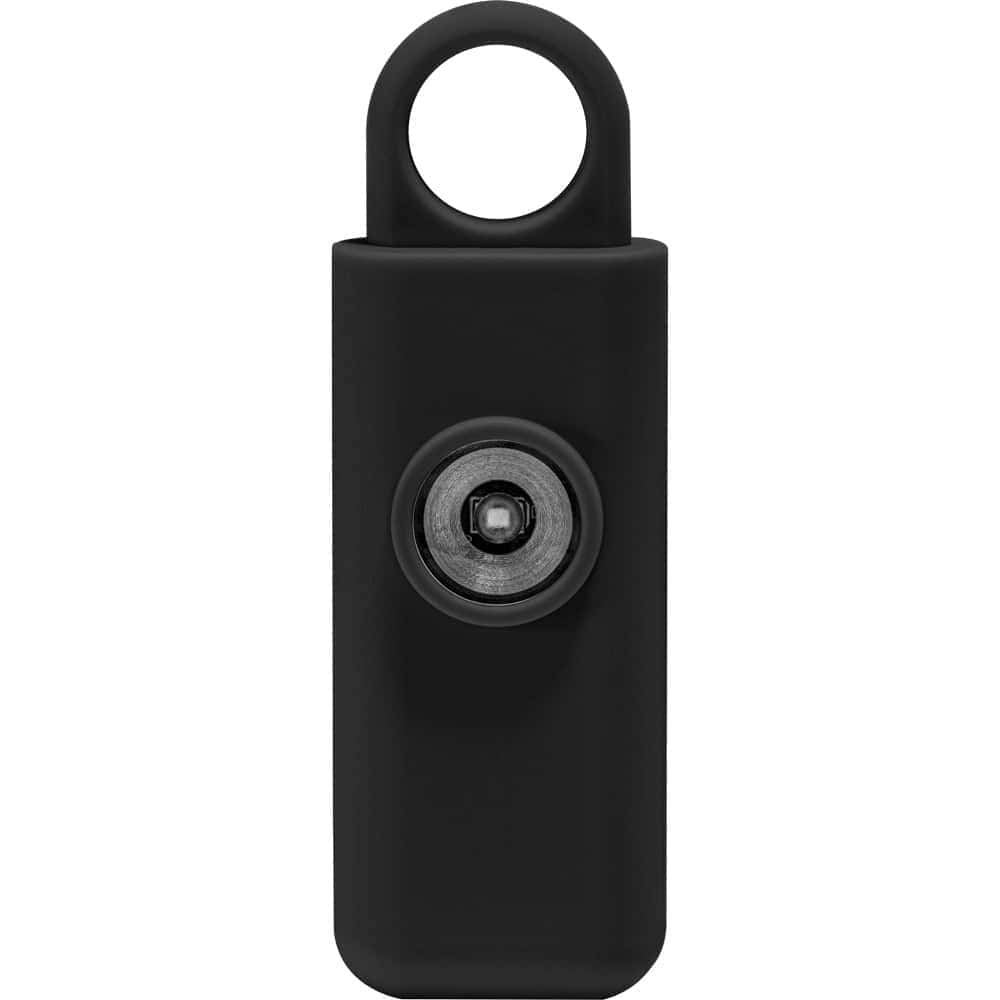
Our loudest personal alarm — 130 dB siren plus a 350-lumen LED strobe that draws attention even when bystanders can't hear over surrounding noise.
Pull-pin activation means no buttons to press under stress — just pull and a 130 dB siren triggers immediately, keeping the alarm on a keychain that travels everywhere they do.
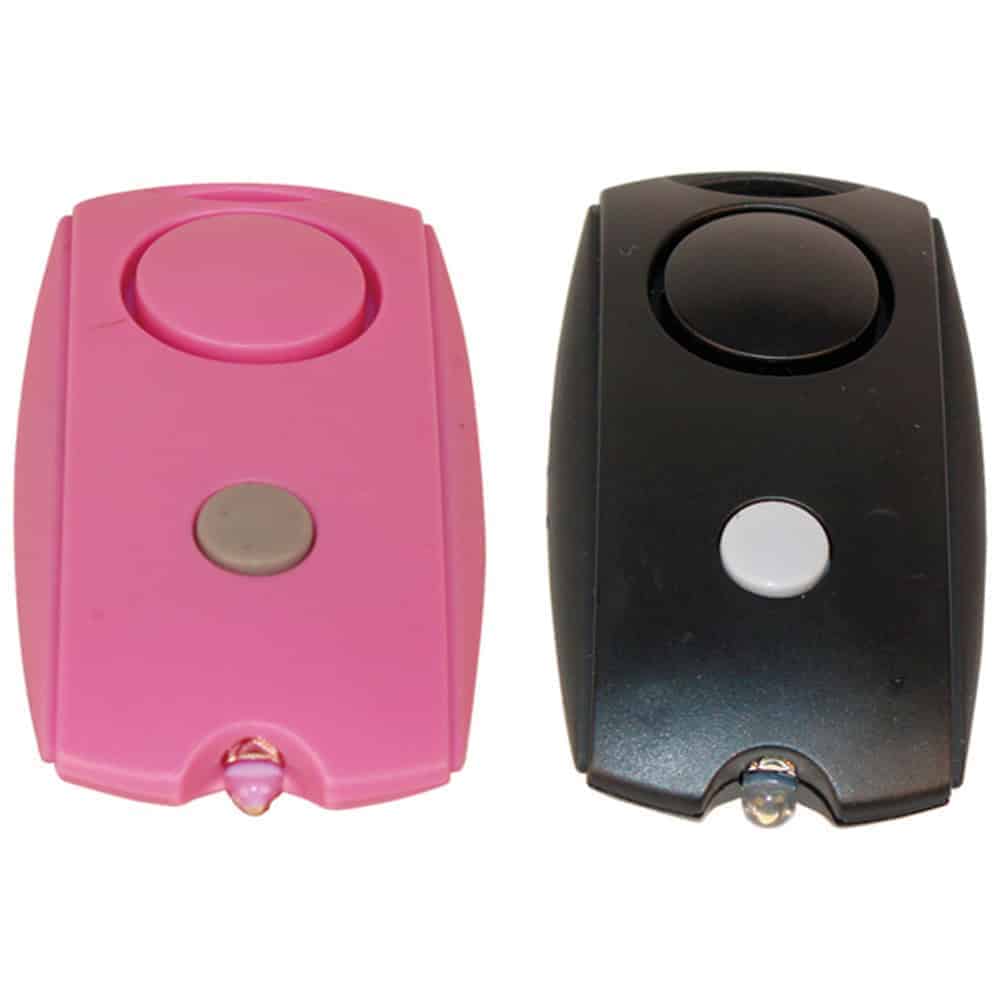
A compact 120 dB alarm with belt clip that stays accessible on a waistband or bag without requiring grip strength — batteries included and ready to use out of the box.
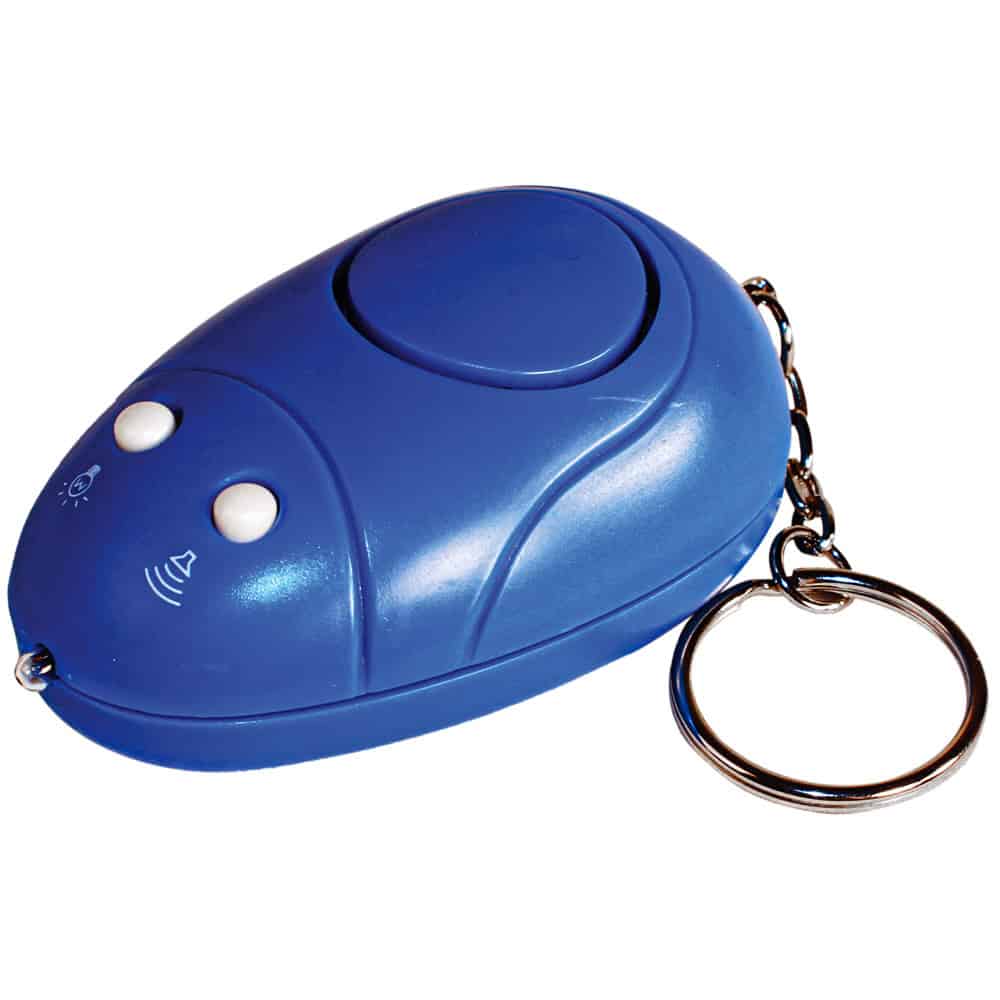
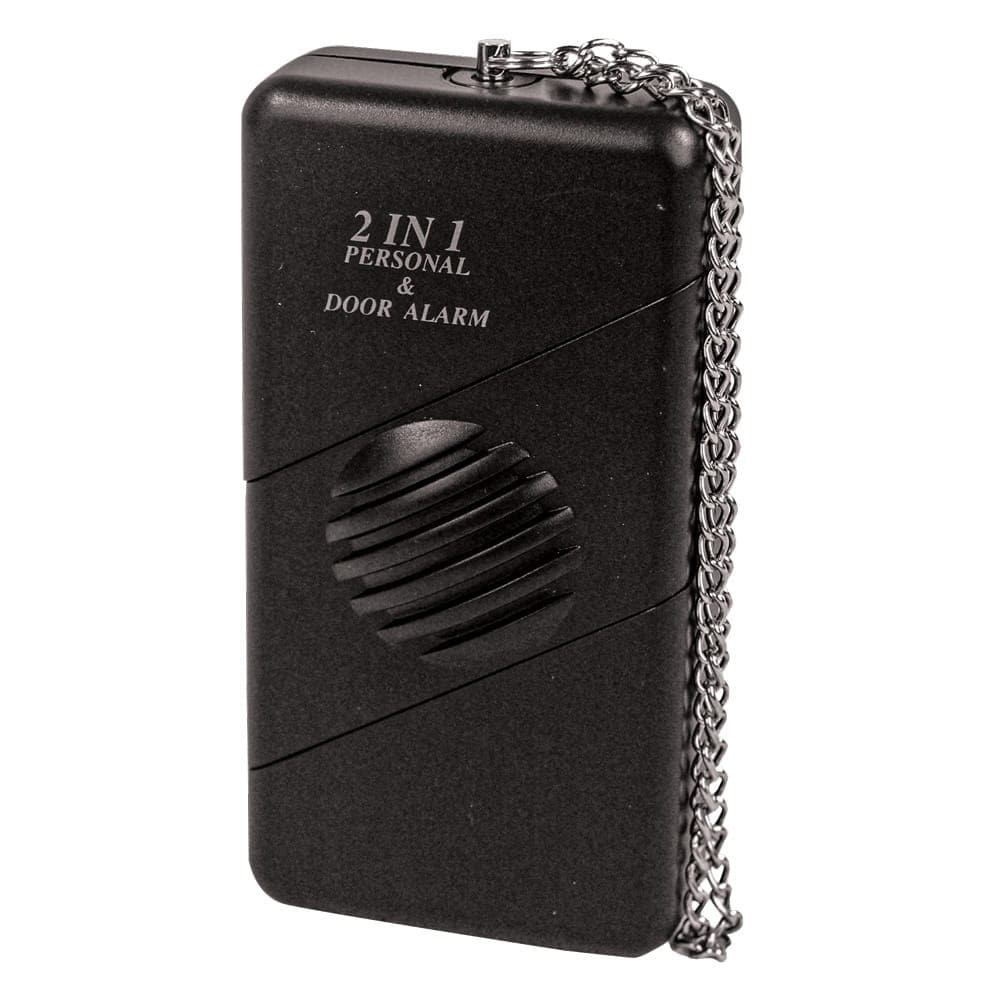
Works as a personal panic alarm, a 50-lumen flashlight, and a door/window entry alarm — one device that covers both on-the-go protection and home security at night.

What to Look for in a Personal Alarm for an Elderly Person

Decibel level matters more than marketing language. You’ll see alarms marketed with vague phrases like “ultra-loud” or “ear-piercing” — what actually matters is the dB number. Anything below 100 dB is easy to miss in a parking lot or on a busy street. Aim for 120 dB at a minimum; the Personal Panic Alarm with Strobe and the Keychain Alarm with LED Light both reach 130 dB, which is audible from several hundred feet away even in outdoor environments.

Activation has to be foolproof under stress. Buttons that require a firm press, a hold, or a sequence of steps are a problem when someone is frightened or has limited dexterity. Pull-pin alarms are the simplest mechanism available — a single tug activates instantly and the alarm stays on until the pin is reinserted. For seniors with arthritis or reduced grip strength, this matters enormously.

It only works if they’re carrying it. This sounds obvious, but it’s the most common failure point. An alarm left on a nightstand or in a purse pocket doesn’t help when someone falls on a walk. Think about how the person you’re buying for actually moves through their day, and choose an attachment method — keychain, belt clip, wristband — that fits into that routine naturally.

Added features can serve double duty. Some alarms, like the 3-in-1 Personal Alarm with Flashlight, include a door/window attachment mode that triggers when an entry point is opened. For a senior living alone, this turns a single low-cost device into both a carry alarm and a basic home security alert — useful when getting up at night or answering the door for an unexpected visitor.

Battery type affects reliability. Rechargeable alarms are convenient for younger users who remember to charge them, but for some seniors, a standard AAA or 9V battery is more reliable — it’s easier to check and replace, and there’s no risk of a dead charge at the wrong moment. Check what’s included and factor that into your decision.

How to Help an Elderly Person Actually Use Their Personal Alarm

Buying the alarm is the easy part. The harder part is making sure the person carrying it knows exactly what to do when they need it. Before the alarm leaves the package, sit with them and practice the activation at least twice — once slowly, once quickly with eyes closed. Muscle memory is the whole point.

Decide on one place it always lives. Keychain alarms work well because keys are a fixed habit — they leave the house together, every time. Belt clip alarms work for people who walk regularly and want hands-free access. Avoid “somewhere in the purse” as a carry method; finding it under stress isn’t realistic.

Check the batteries when you visit. This takes thirty seconds and is easy to skip. An alarm with a dead battery is no better than no alarm at all. If you’re not nearby, build a quarterly battery-check reminder into your calendar and ask them to text you a confirmation.

Have the honest conversation about when to use it. Some people hesitate because they don’t want to cause a scene or feel embarrassed about a false alarm. Make it clear: the alarm exists for exactly those moments when they’re not sure. That uncertainty is what it’s for. Using it and not needing it beats needing it and not using it.

Frequently Asked Questions

Q: How loud does a personal alarm need to be to be effective for an elderly person?

A: For real-world use, you want at least 120 dB — that’s louder than a car horn and audible from several hundred feet away. The Personal Panic Alarm with Strobe hits 130 dB and adds a 350-lumen strobe, which is especially useful if hearing is a concern for bystanders nearby. Volume alone isn’t the whole story: the alarm needs to activate instantly and stay on until turned off, not require multiple button presses under stress.

A: Personal alarms are non-contact, non-chemical devices, so they face very few legal restrictions compared to pepper spray or stun guns. They’re generally permitted in hospitals, assisted living facilities, airports, and most public buildings. That said, every state and facility has its own policies — see our Laws & Restrictions page at https://reveresecurity.com/law-and-restrictions/ for the most current details.

Q: What's the easiest way for a senior to carry a personal alarm?

A: The best carry method is whichever one means the alarm is actually on them. A keychain alarm like the Keychain Alarm with LED Light attaches to house keys or a purse — something most people never leave home without. For seniors who prefer a hands-free option, the Mini Personal Alarm with belt clip keeps it accessible on a waistband or bag strap without requiring grip strength to hold. The key is keeping it somewhere reachable with one hand, not buried in a pocket.

Q: How is a personal alarm different from a medical alert system for seniors?

A: Medical alert systems like Life Alert connect to a monitoring center and summon help automatically — but they require a monthly subscription, range limitations, and someone on the other end to respond. A personal alarm is simpler: it screams at 120–130 dB and draws attention from anyone nearby, instantly, with no subscription, no cell service, and no moving parts to fail. They work best in public settings, on walks, or anywhere other people are within earshot. For someone who lives alone or has limited mobility, pairing a personal alarm with a medical alert system covers both situations.

Q: Can an elderly person with limited hand strength activate a personal alarm quickly?

A: That’s one of the most important questions to ask before buying. Pull-pin alarms like the Keychain Alarm with LED Light require only a quick tug — no grip strength, no button-pressing under stress. Avoid alarms that require holding down a button for several seconds to activate. Test the activation mechanism before relying on it, and make sure whoever will be carrying it has practiced using it at least once.

Not Sure Which Personal Alarm Is Right for Your Loved One?

It's normal to have questions — every situation is a little different. Give us a call at 800-859-5566 and we'll help you find the right fit based on how your family member actually moves through their day.

Shop All Personal Alarms