What to Look for in a Stun Gun for Security Work
Not every stun gun is built for the demands of a security shift. Here's what actually separates a solid duty tool from something that belongs in a junk drawer after the first month.
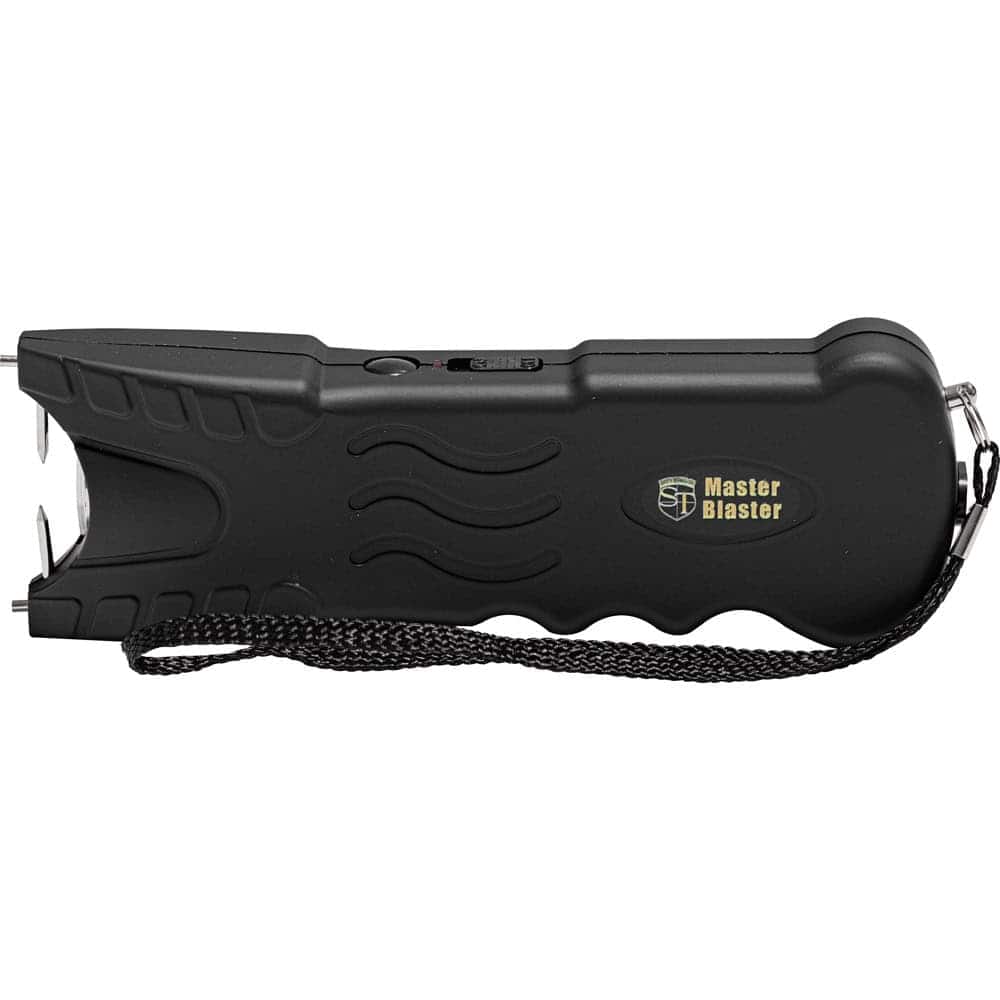
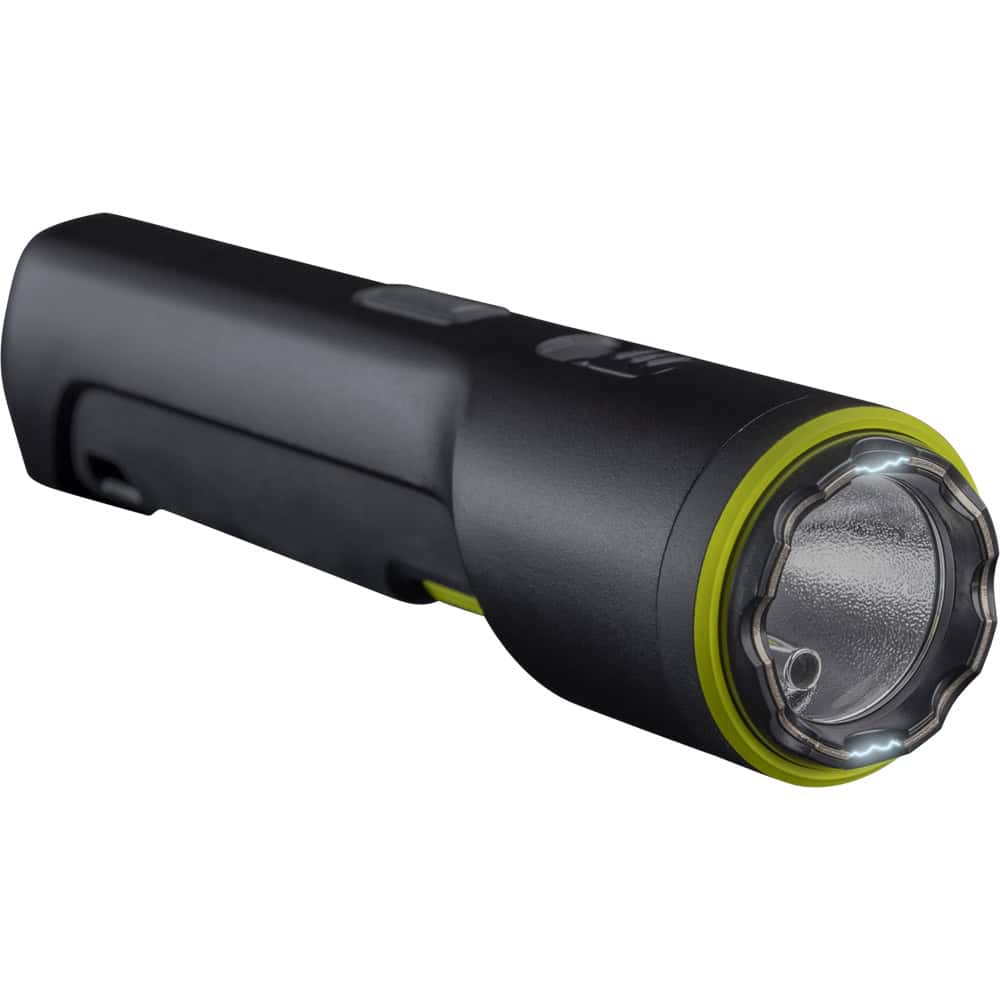
Integrated lighting. If you're doing any kind of patrol work in low-light environments, a flashlight isn't a bonus feature — it's a necessity. Carrying a separate flashlight and stun gun means one hand is always occupied and you're always juggling. The Master Blaster and TASER StrikeLight 2 both solve this by combining both into a single tool you can deploy one-handed.
Rechargeable power with real battery life. Disposable battery stun guns are fine for someone who keeps one in a purse for years and hopes never to use it. For security work, you need something that holds a charge through multiple shifts, recharges quickly, and doesn't leave you guessing whether it'll fire at the end of a double. Lithium rechargeable batteries in the options above handle this well.
Retention and deployment features. A disable pin wrist strap isn't just a safety feature — it's a retention feature. If someone gets physical and grabs for your stun gun, a wrist strap with a disable pin means they can't use it against you. For any security role where physical confrontation is a realistic possibility, this matters. Holster compatibility matters too — if it doesn't ride securely on your belt, it won't be there when you need it. Browse the full selection at Revere Security's stun gun category to compare all available options by feature set.
Frequently Asked Questions
Can security guards legally carry stun guns on the job?
In most U.S. states, stun guns are legal for civilians and private security personnel to carry — but the rules vary by state, municipality, and employer policy. Some states have restrictions on voltage, carry method, or who can possess them. Before carrying on the job, check your state's current laws and confirm with your employer or licensing authority that stun guns are permitted under your specific security license or contract.
Is a stun gun enough for security work, or do I need something more powerful?
For most private security roles — retail, office buildings, parking lots, event staff — a quality stun gun is a reasonable non-lethal option. The key isn't just voltage; it's amperage, reliability, and whether you'll actually have it deployed and ready. That said, higher-risk assignments may call for tools like the TASER Pulse 2, which adds distance and neuromuscular incapacitation. Match the tool to the actual threat level of your post.
What's the difference between a stun gun and a TASER for security use?
A standard stun gun requires direct contact to work — you need to be close enough to touch the person. A TASER like the Pulse 2 fires probes on wires up to 15 feet, letting you incapacitate someone at a distance before they can reach you. For patrol work where you might encounter someone across a room or hallway, that standoff distance is a meaningful tactical advantage. For close-quarters or deterrence-focused roles, a contact stun gun is often sufficient.
How do I maintain a stun gun during regular security shifts?
Recharge your stun gun before each shift — don't assume it's full from last time. Test the spark briefly to confirm it's functional. Keep contacts and the body clean and dry. Store it in its holster when not in active use to prevent accidental discharge. If your unit has a disable pin wrist strap, make it a habit to attach it every time you pull the device. A tool that isn't maintained is a tool you can't count on.
Will a stun gun work through heavy clothing on a subject?
Most quality stun guns with sufficient amperage — like the Master Blaster at 4.9 milliamps — can penetrate light to moderate layers of clothing effectively. Very thick winter coats or heavy jackets can reduce effectiveness with some lower-end units. For reliable performance through clothing, focus on amperage (not just voltage) when choosing your tool. Higher milliamp output makes a real difference in real-world conditions.
Ready to Gear Up for Your Shift?
Whether you're outfitting yourself for a new post or replacing a tool that's seen better days, the right stun gun is one you'll actually carry every night and trust when it counts. Start with the Master Blaster if you want solid performance at a practical price, or step up to the TASER StrikeLight 2 for a professional-grade duty tool. See the full range at Revere Security's stun gun collection and find the fit for your role.