What Should Travelers Look for in a Personal Alarm?
Not all personal alarms are built for travel, and a few key differences matter more than you'd think once you're actually on the road. The first thing to consider is carry method. A personal alarm only works if it's accessible — not buried in a backpack zipper or packed in checked luggage. Look for keychain-compatible designs or something small enough to live in a jacket pocket or purse strap. If you won't carry it, it doesn't matter how loud it is.
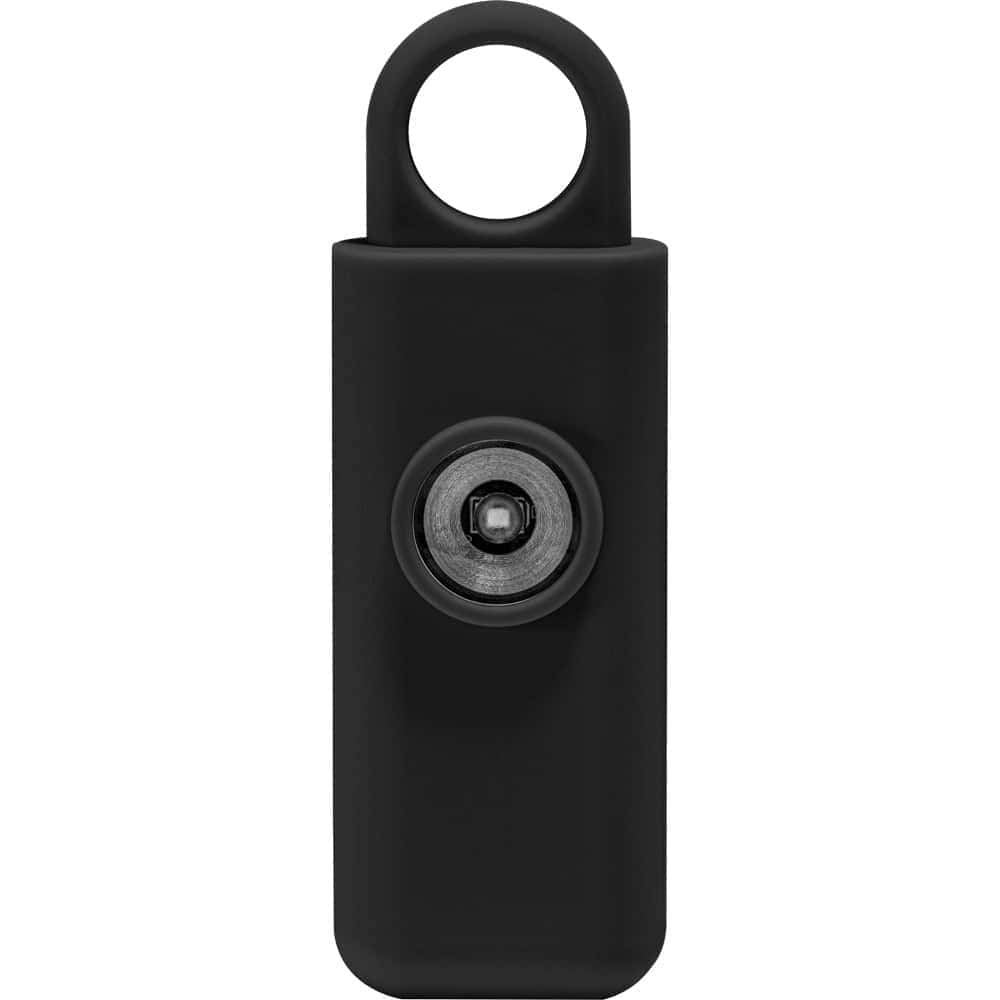
Sound output is the second thing worth paying attention to. In a quiet suburban neighborhood, 90 dB is plenty. In a noisy urban environment — a busy market, a transit station, a crowded hostel hallway — you want 120 dB or higher. There's a real difference between those numbers in terms of how far the sound carries and how quickly it gets attention. For most travel situations, aim for 120 dB minimum if you can. Also think about whether you want a visual element — a bright strobe that activates alongside the siren adds a layer of alert that works across language barriers and in low-light situations.
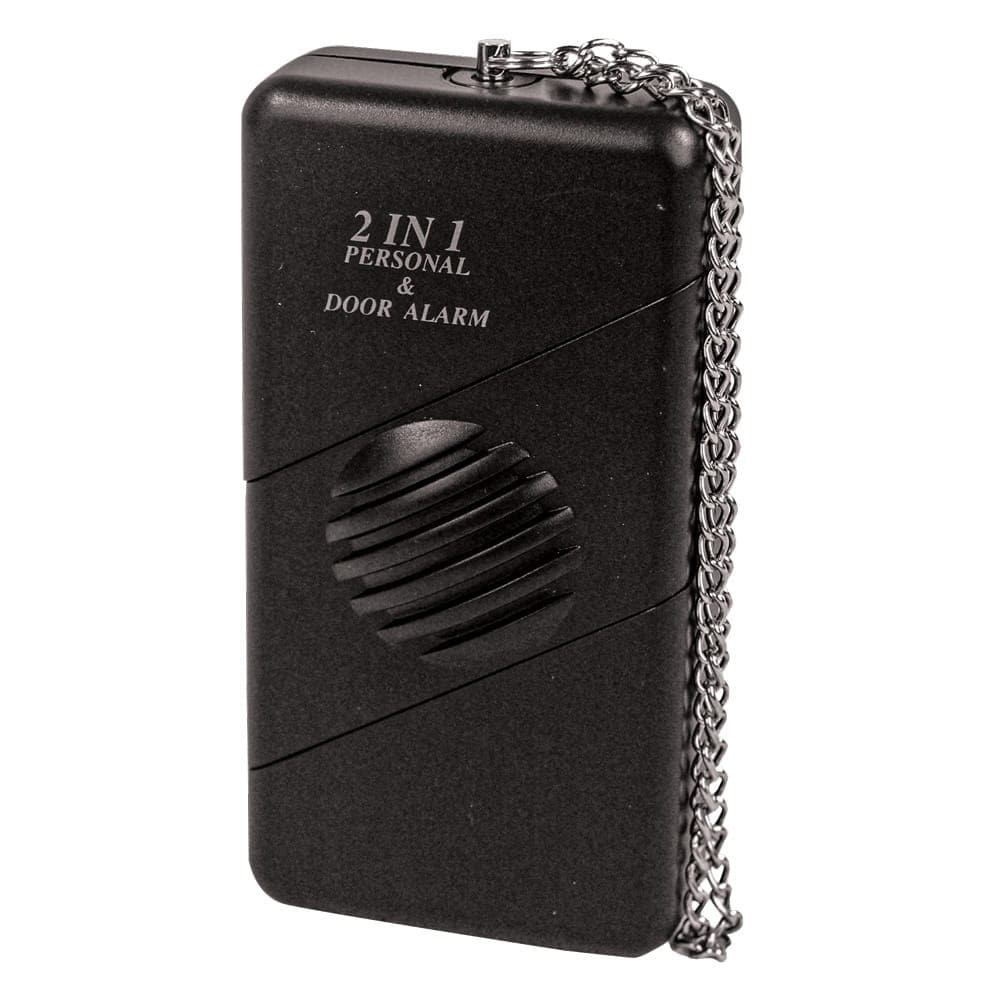
Finally, think about versatility. Travelers who stay in a variety of accommodations — from hotels to hostels to short-term rentals — benefit from a dual-mode alarm that can secure a door at night as well as function as a personal alarm during the day. That kind of flexibility means fewer items to pack while staying covered in more situations. You can browse the full personal alarms collection to compare all available options by features and price.
Frequently Asked Questions
Can I bring a personal alarm on a plane?
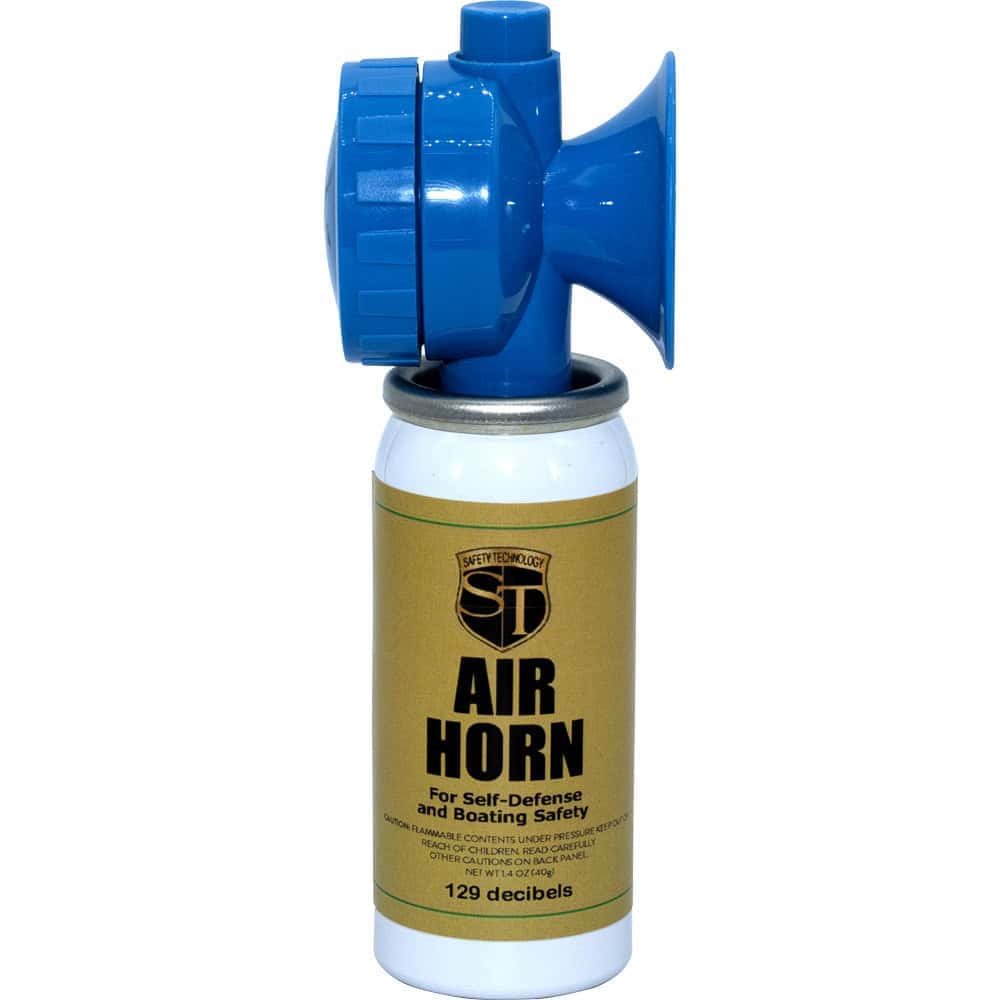
Yes — personal alarms are TSA-approved and can go in your carry-on bag. They're not considered weapons and don't contain any restricted materials. The one exception is the compressed air horn, which uses a pressurized canister. Check current TSA and airline guidelines before packing that one in carry-on luggage, as pressurized canisters have specific restrictions. The keychain and battery-powered alarms travel without issue.
Are personal alarms legal to carry internationally?
In most countries, yes — personal alarms are legal because they're non-harmful devices. That said, laws vary and some countries have restrictions on items that could be considered security devices. It's worth a quick check of your destination country's customs rules before you travel. As a general rule, personal alarms clear customs far more easily than pepper spray or stun guns, which are restricted or banned in many international destinations.
How loud does a travel alarm really need to be?
For most travel situations, 120 dB or higher is a solid benchmark. To put that in context, 120 dB is roughly the volume of a live rock concert or a thunderclap nearby. That level of sound draws immediate attention in most environments and is disorienting at close range. If you're primarily traveling in urban areas or indoors, 90–100 dB can be sufficient. For outdoor or wilderness travel, go as loud as you can get.
Will a personal alarm actually deter someone or just make noise?
Both — and that combination matters. The loud, sudden sound is genuinely disorienting at close range, and it draws immediate attention from anyone nearby. Most people in a threatening situation are banking on going unnoticed. A 130 dB alarm eliminates that advantage instantly. It's not a guarantee, but it changes the dynamic quickly, and that's often all you need — a few seconds and the attention of strangers nearby.
Do personal alarms need batteries, and will they last a whole trip?
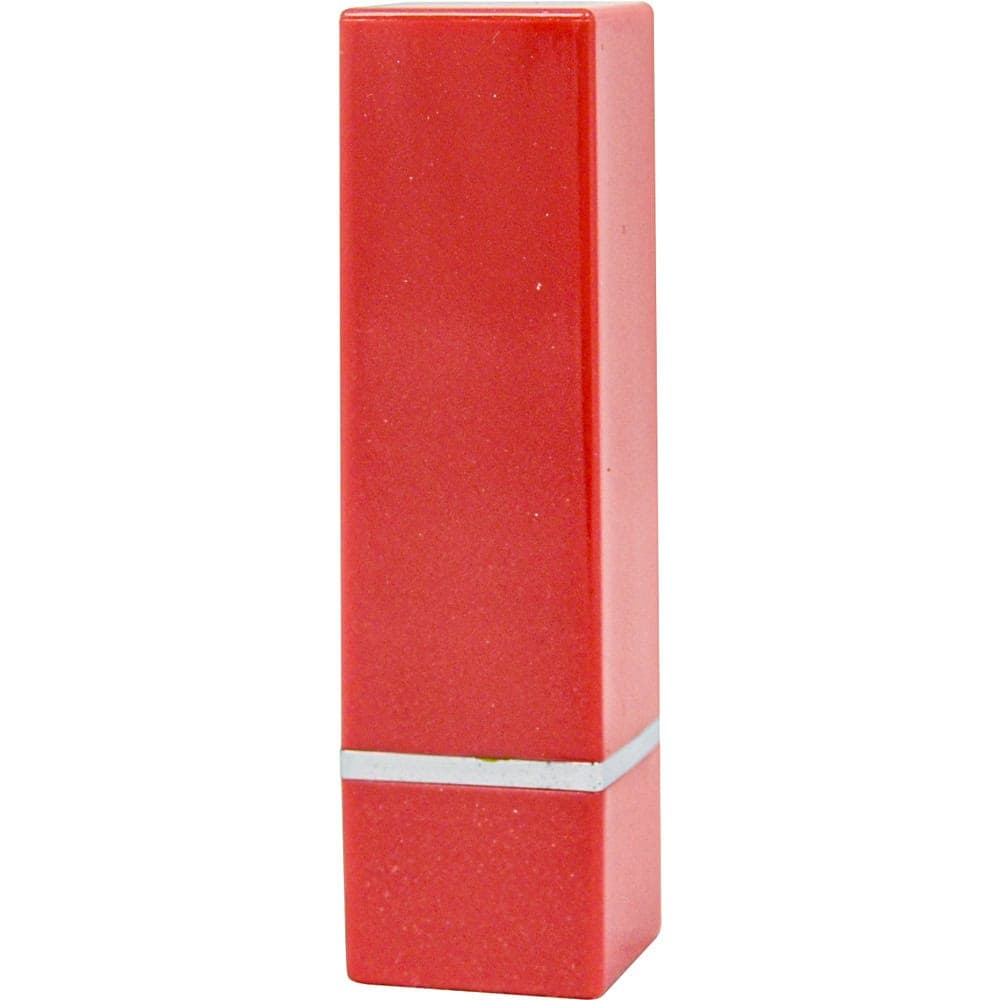
Most personal alarms run on standard batteries — AAA, AA, or 9V depending on the model — and have a solid shelf life. Under normal use (not continuous activation), a fresh set of batteries will last through multiple trips without issue. The key is to check and replace batteries before you leave, not after you get back. The lipstick alarm and 2-in-1 door alarm both come with batteries included, so they're ready to go right out of the box.
Ready to Travel Smarter?
You've already done the hard part — thinking ahead. Grab the Personal Panic Alarm with Strobe for everyday carry, the 2-in-1 alarm if you want door security covered too, or browse the full personal alarms collection to find exactly what fits your trip. Either way, you're making a smart, simple call — and at these prices, there's no real reason not to.