The five home security weak points most homeowners overlook are side and back doors, ground-floor windows hidden by landscaping, garage entry points, unmonitored delivery areas, and outdated or poorly placed exterior lighting. Each one gets far less attention than the front door, which is exactly why they’re the entry points burglars prefer. A quick walkthrough of your property, focused on these five areas, closes gaps most alarm systems and door locks never cover.
Trust in your home’s security shouldn’t come from assuming the basics are enough. It should come from actually knowing where the gaps are. Most homeowners install a deadbolt, maybe an alarm system, and call it done. But the data on residential break-ins tells a different story — most intrusions happen through the parts of the house nobody thinks to double-check.
This isn’t about scaring you into buying more gadgets. It’s about giving you a clear, honest picture of where your home is actually vulnerable, so you can make informed decisions about closing those gaps. Let’s walk through the five spots that deserve a second look.
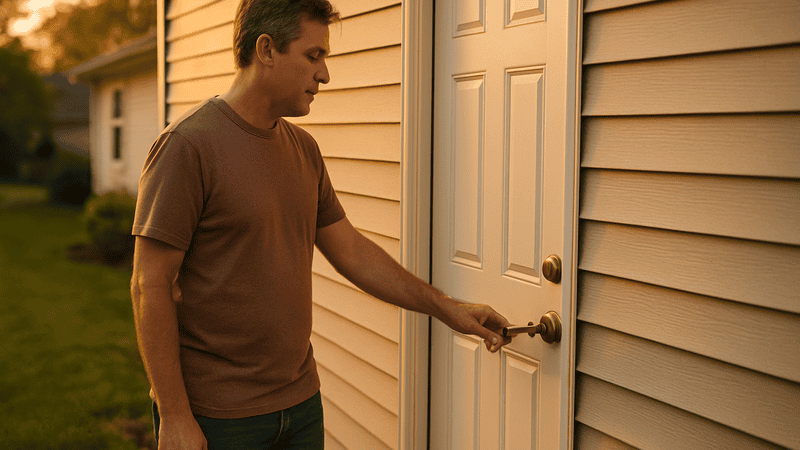
Why do burglars target side and back doors instead of the front?
Because they’re out of sight. Front doors face the street, get walked past by neighbors, and often sit under a porch light. Side and back doors offer privacy — exactly what someone trying to force entry wants.
Many side and back doors also have weaker hardware than the front. Homeowners invest in a solid deadbolt for the main entrance and leave the side door with a simple knob lock or an aging strike plate that hasn’t been checked in years. That’s a real gap, and it’s an easy one to fix with a reinforced strike plate and a deadbolt that matches your front door’s quality.
It’s also worth adding visible deterrents at these secondary entrances. A dummy camera for home use mounted near a side door sends a clear signal that this entrance is being watched, even if your budget doesn’t stretch to wiring an actual camera there. Most intrusions are crimes of opportunity — remove the opportunity, and you remove the risk.
Are ground-floor windows really that vulnerable?
Yes, and landscaping is often the reason why. Bushes, trees, and privacy fencing that make your yard look nice also give an intruder cover to work on a window lock without being seen from the street or by neighbors.
Walk your property line and ask yourself a simple question: if I were trying to break in unnoticed, where would I go? If the answer is “behind that hedge by the bedroom window,” you’ve found a weak point. Trimming landscaping back from ground-floor windows, adding window locks that don’t rely solely on the factory latch, and considering motion-activated lighting in those blind spots all make a measurable difference.
Basement windows deserve the same scrutiny. They’re often smaller, easier to overlook, and rarely alarmed — but they’re still a functional entry point.
What makes garages an overlooked security risk?
Garages get treated like an extension of the house, but they’re often the weakest link in the whole security chain. The automatic garage door itself is usually solid, but the side entry door leading from the garage into the house is frequently an older, cheaper door with minimal hardware — because homeowners assume the garage door provides enough protection on its own.
There’s also the issue of what’s inside. Garages store ladders, tools, and sometimes even spare keys or garage door openers for a second vehicle — all of which can help an intruder get further into your home or property. Keeping that interior garage door locked at the same standard as your exterior doors, and never leaving a spare key hidden inside the garage, closes this gap without any added cost.
For added peace of mind in detached garages or workshops, a decoy security camera positioned near the entry point is a low-cost way to add a visible layer of deterrence.
How do delivery areas create a security blind spot?
Package theft gets most of the attention, but delivery areas create a bigger risk than a stolen box: they establish a predictable pattern. If packages consistently sit on your porch for hours, it signals when you’re not home — valuable information for anyone casing the neighborhood.
This is where a little planning goes a long way. Staggering delivery times, using a lockbox, or having packages sent to a location where someone can bring them in promptly all reduce the visible signal of an empty house. Pairing this with a visible camera — real or convincing dummy — near your entryway adds another layer of trust that your home is being watched, whether or not you’re physically present.
If you already carry a personal safety device for outside the home, it’s worth applying that same “always ready” mindset indoors. The same logic that says most people make one key mistake before they even leave the house applies here too — preparation before the moment matters more than reaction during it.
Why does exterior lighting matter more than most people realize?
Because darkness is an intruder’s best friend, and most homeowners light their property inconsistently. A bright front porch light next to a pitch-dark side yard doesn’t protect the house — it just redirects the risk to the unlit side.
Motion-activated lighting around all four sides of the home, not just the front, is one of the most cost-effective upgrades available. It doesn’t just illuminate someone approaching — it signals that you’ve thought about security comprehensively, which is itself a deterrent. Intruders consistently report in surveys that visible attention to detail — lighting, cameras, clean sightlines — makes them move on to an easier target.
This is also where visible deterrents earn their keep. A decoy security camera mounted under a well-lit eave does double duty: the light draws attention to the camera, and the camera reinforces that this house is being monitored.
What should I do if I’m home when someone tries to get in?
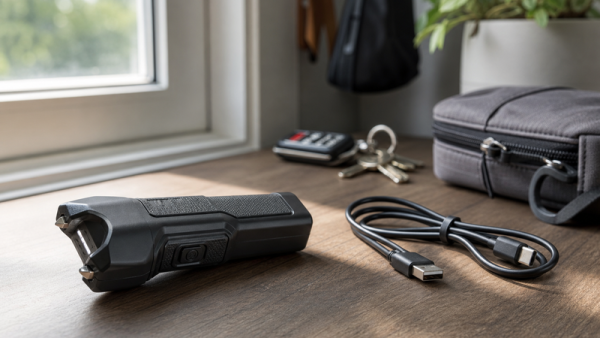
Home security isn’t just about prevention — it’s about having a plan if prevention fails. This is where personal protection inside the home matters as much as the locks on your doors. Keeping a reliable option like pepper spray for home defense within reach in a bedroom or entryway gives you a real option in those first critical seconds, without needing to rely solely on a phone call and a wait.
Trust in your safety plan means having layers — deterrence outside, protection inside, and a clear sense of what you’d actually do if someone got past the first line of defense. If you’re evaluating options for family members with different needs, it’s worth reading about self-defense considerations for seniors, since mobility and reaction time can shape which tools make the most sense.
Where do diversion safes fit into a complete home security plan?
Even the best exterior security can’t guarantee an intruder never gets inside. That’s why the final layer of protection is making sure that if someone does get in, there’s nothing obvious to take. Diversion safes for home use — designed to look like ordinary household items — keep valuables and important documents hidden in plain sight, even from someone who’s already inside your house.
This layered approach — deterrence, detection, and disguised protection — is what separates a home that’s genuinely hard to target from one that just looks secure on the surface. Trust isn’t built on a single lock or a single camera. It’s built on knowing every layer has been considered.
Frequently Asked Questions About Home Security Weak Points
What is the most commonly overlooked home security weak point?
Side and back doors are the most commonly overlooked weak point. They’re hidden from street view, often have weaker locks than the front door, and rarely get the same attention during a security check. A reinforced strike plate and matching deadbolt hardware closes this gap quickly and affordably.
Do fake security cameras actually deter burglars?
Yes, in many cases. Most break-ins are crimes of opportunity, and a visible camera — real or convincing dummy — signals that a property is being monitored. Burglars consistently report choosing easier, unwatched targets over homes that show signs of active surveillance.
How often should I check my home’s exterior lighting?
Check exterior lighting every few months, especially around seasonal changes when bushes grow fuller or bulbs burn out. Walk the full perimeter, not just the front entrance, and look for dark zones near windows, side doors, and garage entrances where motion-activated lighting could close the gap.
Are garage doors a real security risk?
The automatic garage door itself is usually secure, but the interior door connecting the garage to the house is often overlooked and under-secured. Treat that interior door with the same lock quality as your front door, and never store a spare house key inside the garage.
Should I trim landscaping for security reasons?
Yes. Bushes and trees near ground-floor windows provide cover for anyone trying to force entry without being seen. Keeping landscaping trimmed back from windows and walkways removes hiding spots and makes your property a less appealing target.
What’s the best way to protect packages from theft?
Stagger delivery windows when possible, use a lockbox, or arrange for packages to be brought inside promptly. Reducing the amount of time a package sits visibly on your porch also reduces the pattern signals that tell others when your home is empty.
Is pepper spray a good option for home defense?
Pepper spray is a practical option for home defense because it’s non-lethal, easy to keep within reach, and effective at close range. Keeping a reliable option in a bedroom or entryway gives you a real layer of protection if someone gets past your home’s outer defenses.
What’s the difference between a decoy camera and a real security camera?
A decoy camera looks like a functioning security camera but doesn’t record footage, while a real camera provides actual monitoring and evidence. Many homeowners use decoy cameras at secondary entrances as a cost-effective deterrent while reserving real cameras for primary entry points.
Home security isn’t about paranoia — it’s about paying attention to the parts of your property that don’t get a second glance. The five weak points above aren’t dramatic or complicated to fix. They just require the kind of honest, unhurried walkthrough most people never take the time to do. Start with one this weekend, and work through the rest as you’re able. That’s how real security gets built — not all at once, but layer by layer, until you can trust that your home is actually as protected as you thought it was.