What to Look for in a Telescopic Baton for Self Defense
Length matters more than people think. A 16-inch baton is easier to conceal and carry daily, but a 21-inch gives you noticeably more reach, which is what a baton is for in the first place. If you're not sure, 21 inches is the sweet spot most people land on — enough distance to matter, not so long it's unwieldy.
Deployment method is a real decision, not a detail. A flick-open steel baton is simple and has fewer moving parts to fail, but it takes a bit of practice to open smoothly under stress. A push-button model deploys with less technique required, which matters if adrenaline has your hands shaking. Neither is wrong — it's about what you'll actually be able to use when it counts.
Construction determines whether it holds up. Solid steel is heavier but takes a beating without bending. Aluminum keeps weight down, which matters if you're carrying it all day. Either way, check that the locking mechanism holds firm when extended — a baton that collapses on impact isn't doing its job.
If you want to compare the full range of options side by side, the telescopic batons category page has every length and style we carry.
Frequently Asked Questions
Are telescopic batons legal to own for self defense?
In most states, yes — but laws vary widely on ownership versus carry, and a handful of states restrict or ban them outright. Some cities have their own rules even where the state allows it. Before you buy or carry a telescopic baton for self defense, check your specific state and local laws, since this is one area where the details really do matter.
What length telescopic baton should I get?
For most people, 21 inches is the balance point — enough reach to keep distance from a threat without being awkward to carry or store. Go with 16 inches if concealability is your top priority, or 26 inches if maximum reach matters more than portability, like for home defense where you're not carrying it on your body all day.
How fast can I actually deploy a telescopic baton?
A flick-open steel baton opens in under a second once you've practiced the motion a few times — it's muscle memory, not strength. A push-button baton is even faster and more consistent, since it doesn't rely on the exact right wrist motion. Either way, practice matters more than which one you pick.
Do I need the glass breaker end cap if I already have a baton?
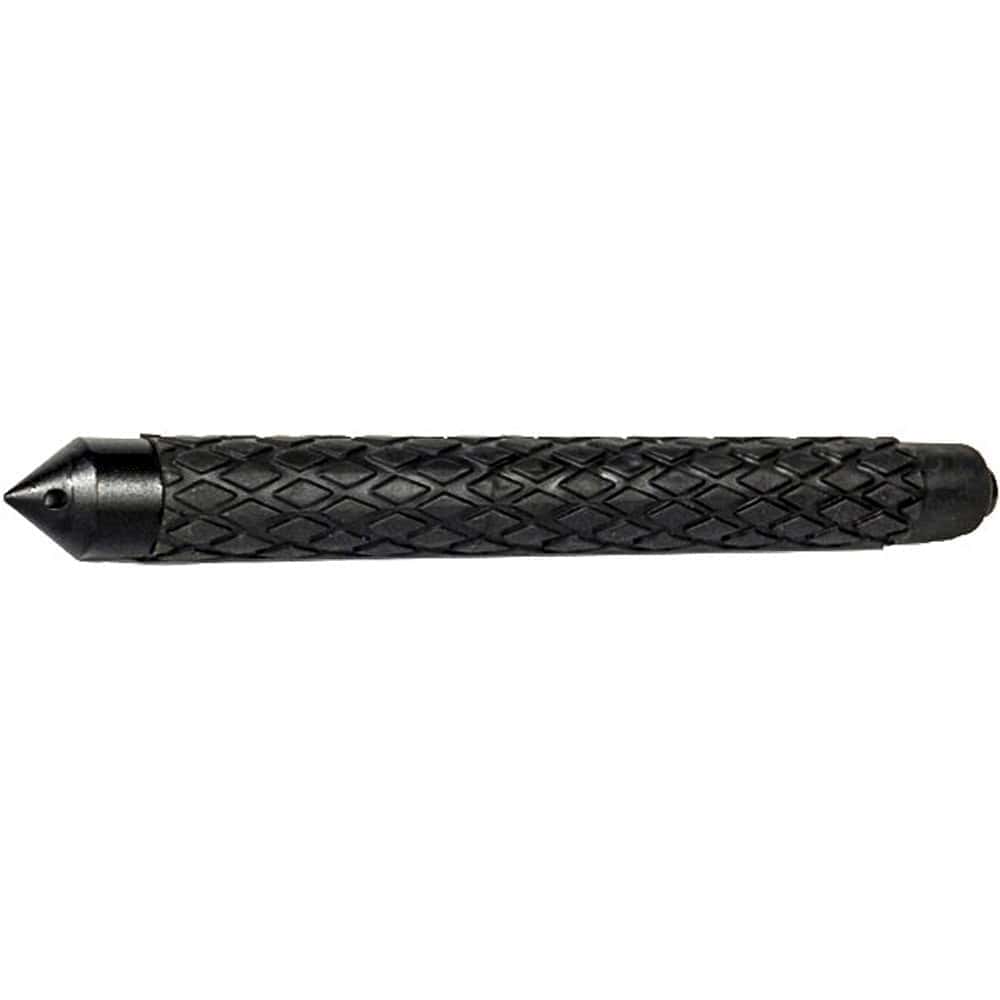
Not required, but worth considering if you keep your baton in the car or use it as your primary vehicle emergency tool. It screws onto most standard telescopic batons and turns a self-defense tool into a dual-purpose one — useful if you're ever trapped after an accident and need to get out fast.
Is a telescopic baton better than pepper spray or a stun gun?
They solve different problems. A baton gives you reach and doesn't depend on wind direction or contact like pepper spray or a stun gun does, but it does require some physical ability to use. Many people carry a baton alongside another option rather than choosing just one — it's about having the right tool for the situation, not picking a single favorite.
Ready to Carry Something You Can Rely On?
You don't need to be an expert to carry a telescopic baton for self defense — you just need one that's built solid and a plan to practice opening it a few times so it's second nature. The Telescopic Steel Baton with Rubber Handle is a straightforward, reliable place to start, or browse the full telescopic batons collection to find the length and style that fits how you'll actually carry it.