What to Look for in a Knife for Self Defense
Not every knife is built for this. Here's what actually matters when you're choosing a self defense knife — not just a pocket knife you happen to own.
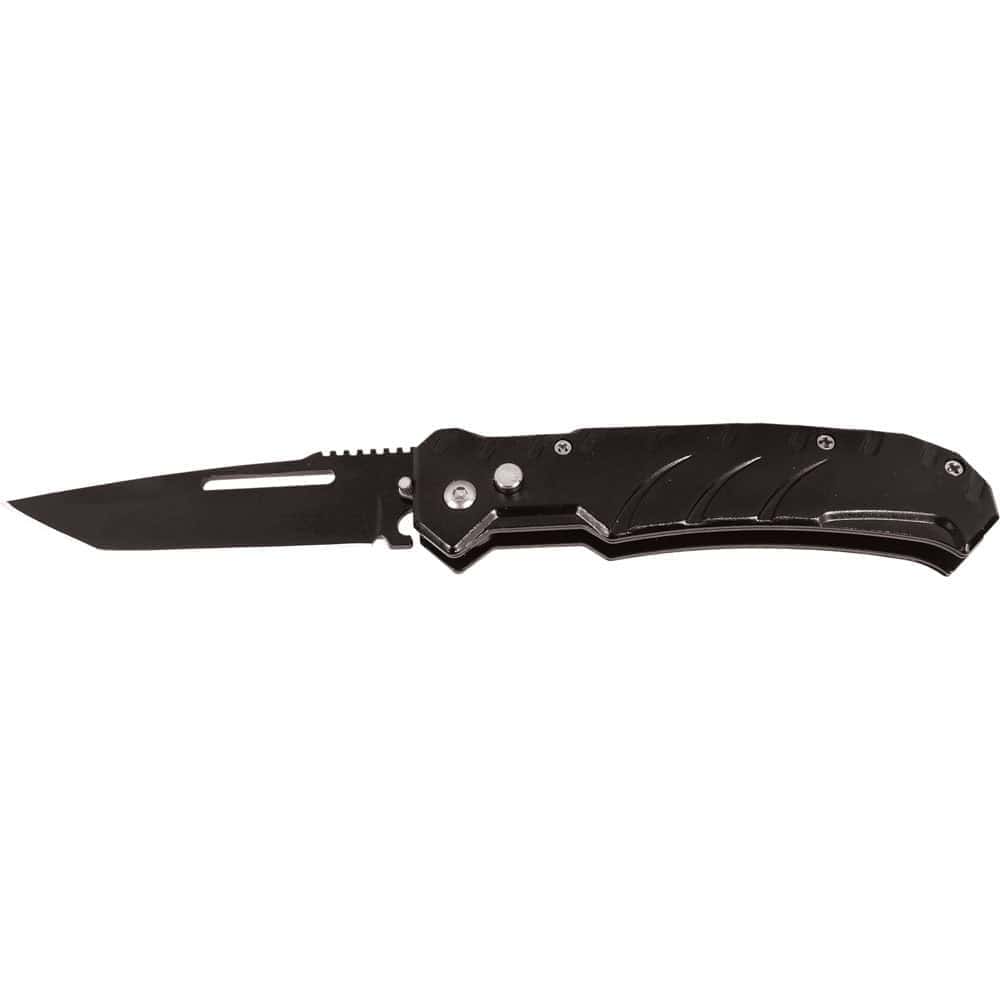
Deployment speed. In a real situation, you won't have two free hands and three calm seconds to open your blade. Spring-assisted or quick-open mechanisms close that gap. Look for knives with a strong spring assist that opens fully and locks positively with one hand. A blade that stalls halfway is worse than no blade at all — it gives you false confidence. Every folding knife featured here uses a spring-assist mechanism specifically because of this.
Carry consistency. The best self defense knife is the one you actually have on you. A blade clip that attaches to your belt, waistband, or pocket makes a real difference. Bulky or heavy knives get left behind — compact folders in the 7–9 inch overall range hit the sweet spot between usability and everyday wearability. If it's uncomfortable enough to leave in your car, it's not serving its purpose.
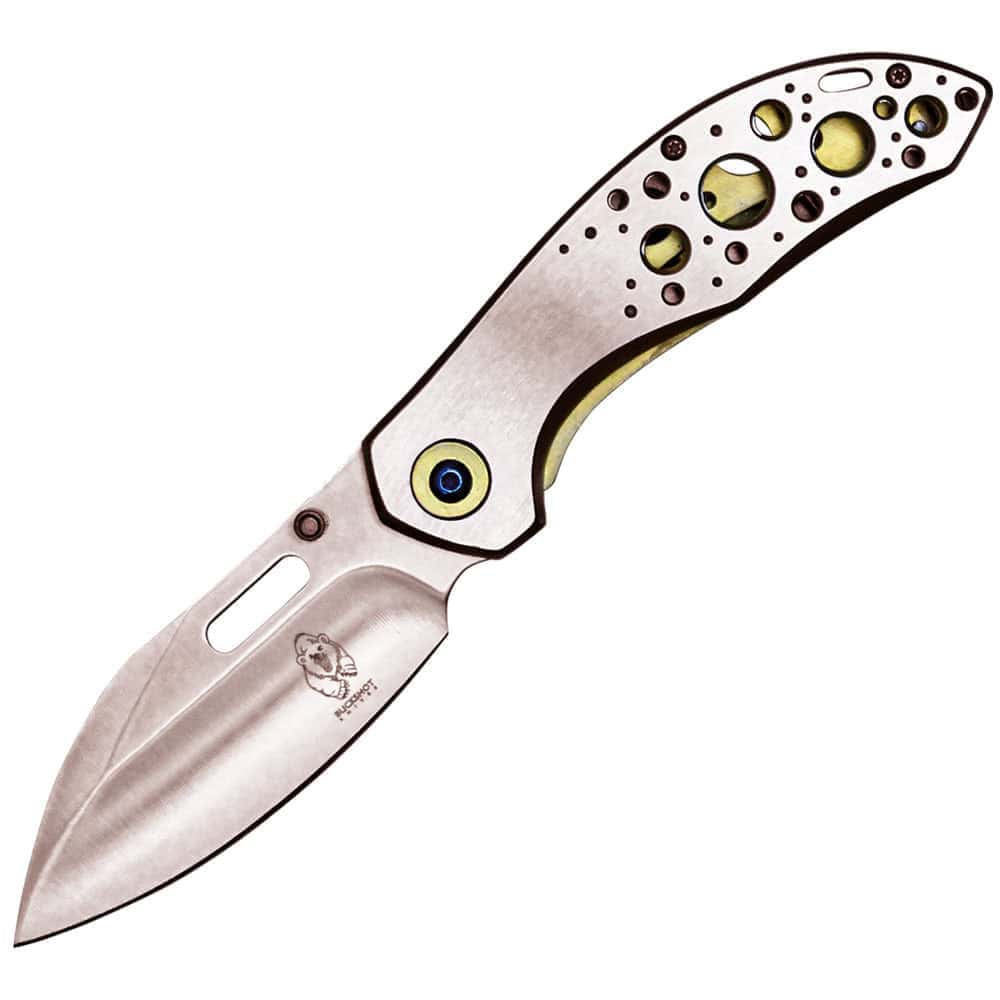
Grip and blade quality. 3Cr13 stainless steel is a solid, proven choice for everyday carry blades — it holds an edge with reasonable maintenance and handles the stress of hard use without being brittle. Equally important is the handle. You need something that stays in your grip when your palms are sweating or your hands are cold. Stainless handles with texture, or handles with accent grip panels, both give you more control than you'd expect from a sub-$20 knife. Browse the full selection at the Revere Security knives category to compare options side by side.
Frequently Asked Questions About Knives for Self Defense
Is a folding knife effective for self defense?
Yes — with the right knife and realistic expectations. A spring-assisted folding knife that deploys quickly and locks securely gives you a meaningful deterrent and a close-range option if you're left with no alternative. What it won't do is substitute for situational awareness or de-escalation. Think of it as a last resort that you hope to never use, carried consistently because the alternative is being unprepared.
What blade length should I look for in a self defense knife?
For most people, a 3–4 inch blade is the practical sweet spot. It's long enough to be a credible deterrent and useful in a defensive situation, short enough to carry legally in most jurisdictions, and compact enough that a folded knife fits in a standard pocket or on a belt clip without drawing attention. Going longer often means legal complications without a meaningful self defense advantage.
Are assisted-open knives legal to carry?
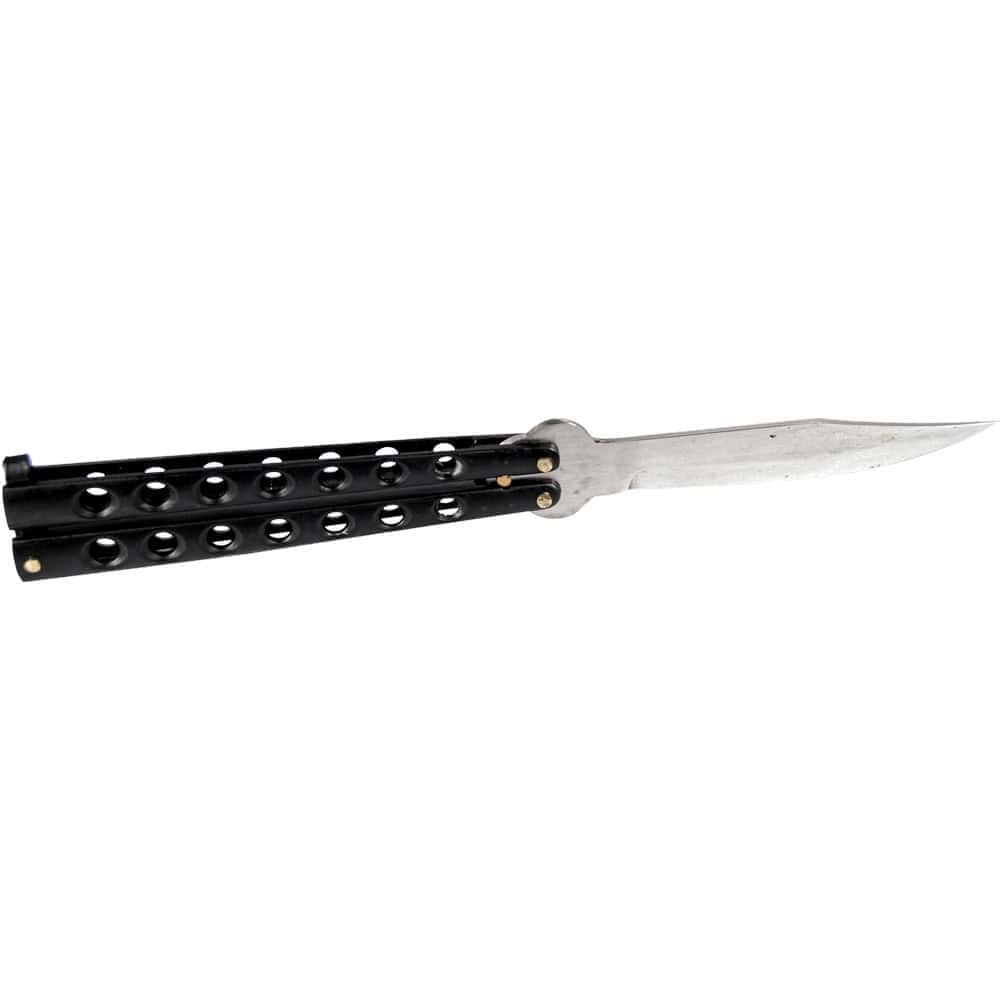
In most U.S. states, yes — spring-assisted folding knives are legal to carry, though blade length limits and carry restrictions vary by state and municipality. Butterfly knives (balisongs) face stricter regulation in several states, including California, Hawaii, and New York. Before carrying any knife for self defense, check your state and local laws. This is your responsibility, and the rules aren't uniform across the country.
How is a self defense knife different from a regular pocket knife?
The main differences are deployment speed and carry design. A self defense knife opens fast under stress — typically spring-assisted — and is built to be accessible, not just useful at a campsite. It usually has a pocket or belt clip for consistent carry, a blade length suited to defensive use, and a handle designed for grip retention under pressure. Many everyday carry knives check all these boxes without being marketed specifically as self defense tools.
Should I train before carrying a knife for self defense?
Honestly, yes — even basic familiarity makes a real difference. You don't need formal martial arts training, but you should be able to draw and open your knife smoothly with one hand, under simulated stress, before you rely on it. Practice the deployment at home until it's automatic. If you're considering a butterfly knife specifically, that's a tool that genuinely rewards consistent practice — unpracticed balisong deployment under stress is unreliable.