What to Look for in a Personal Alarm for Women
Not all personal alarms are built the same, and a few details make a real difference when you're choosing one to carry daily. Here's what actually matters:
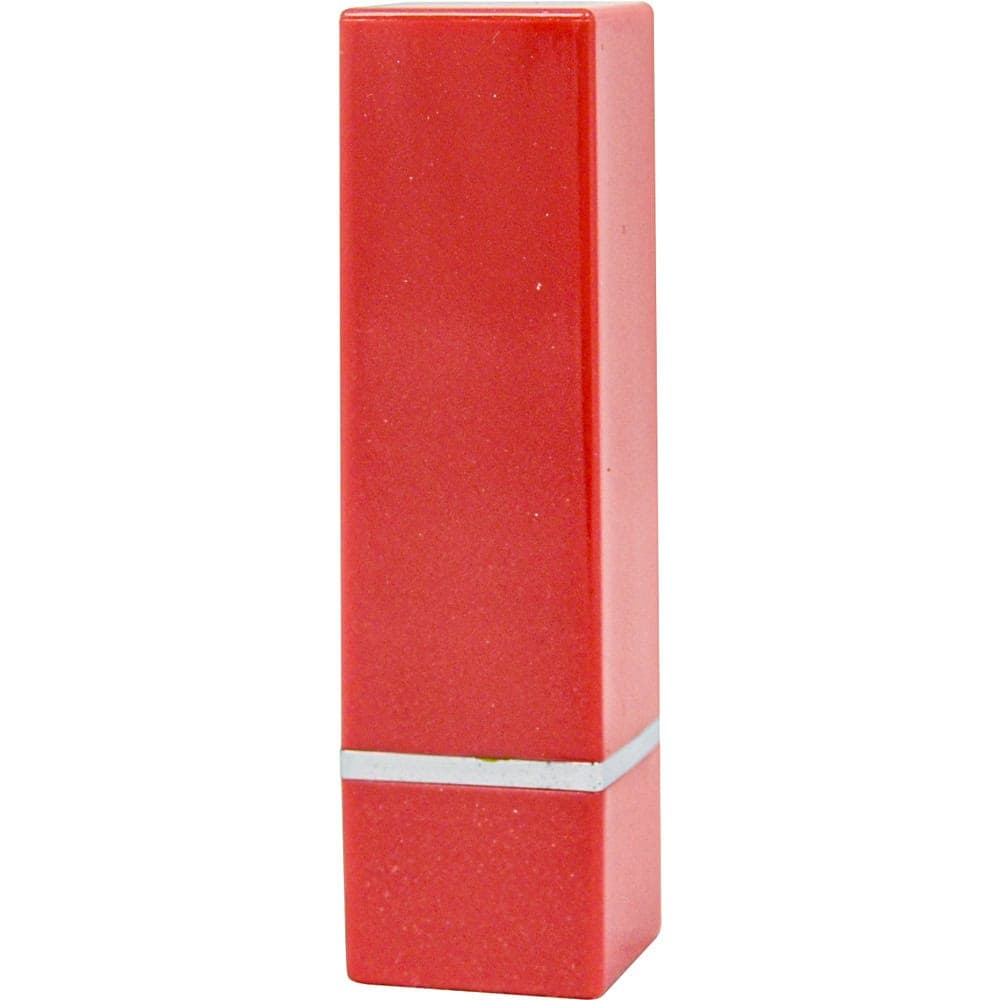
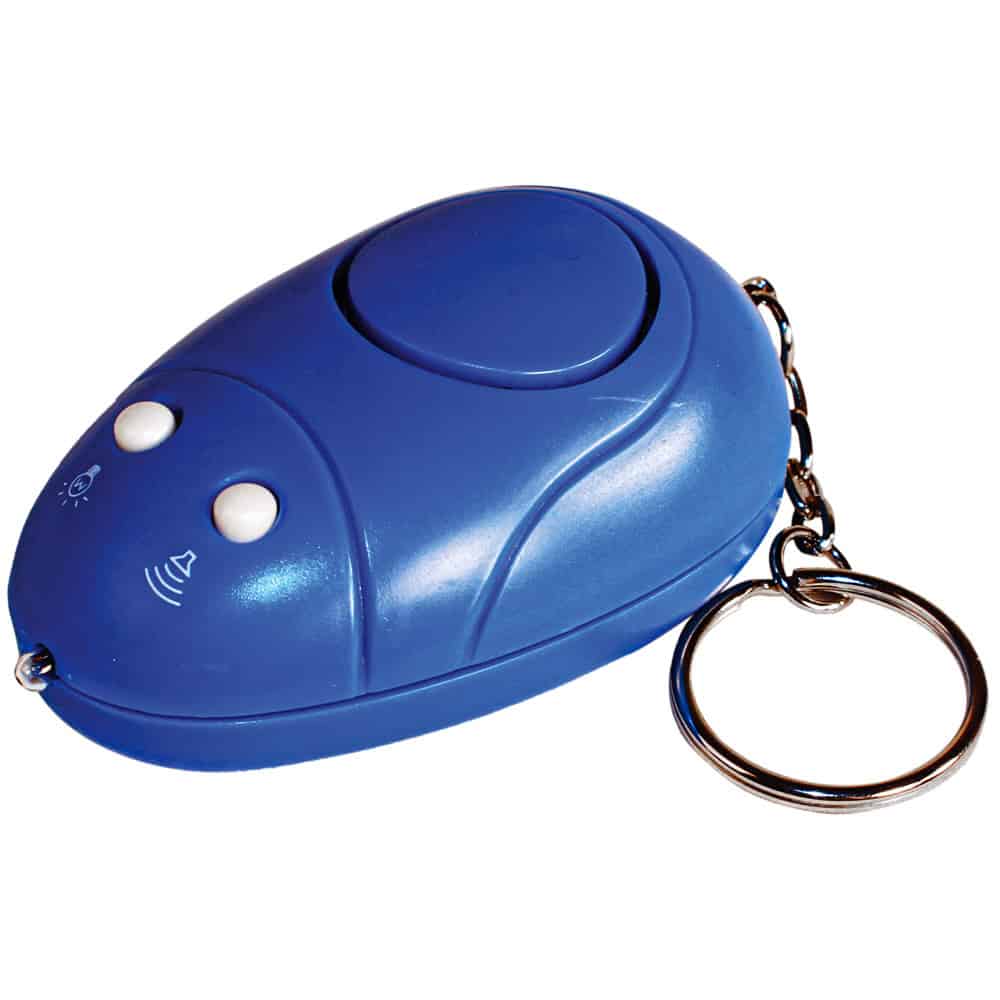
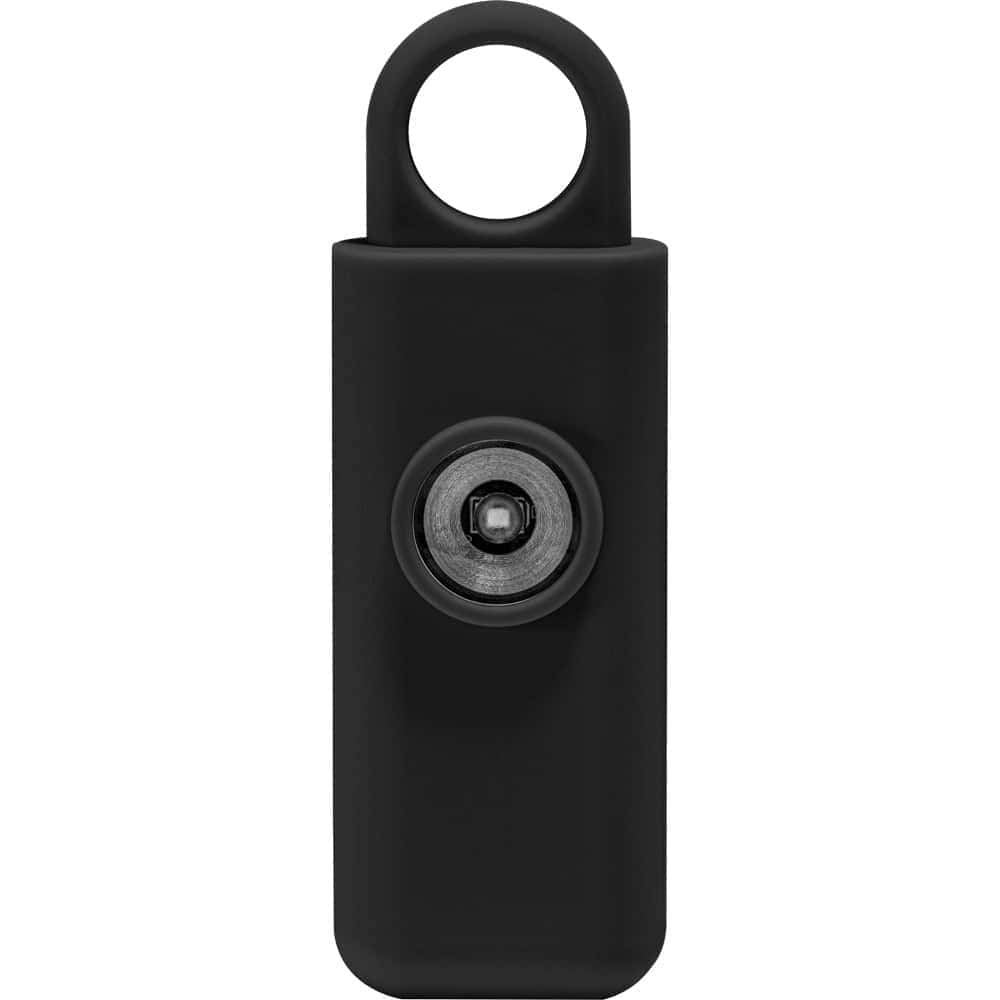
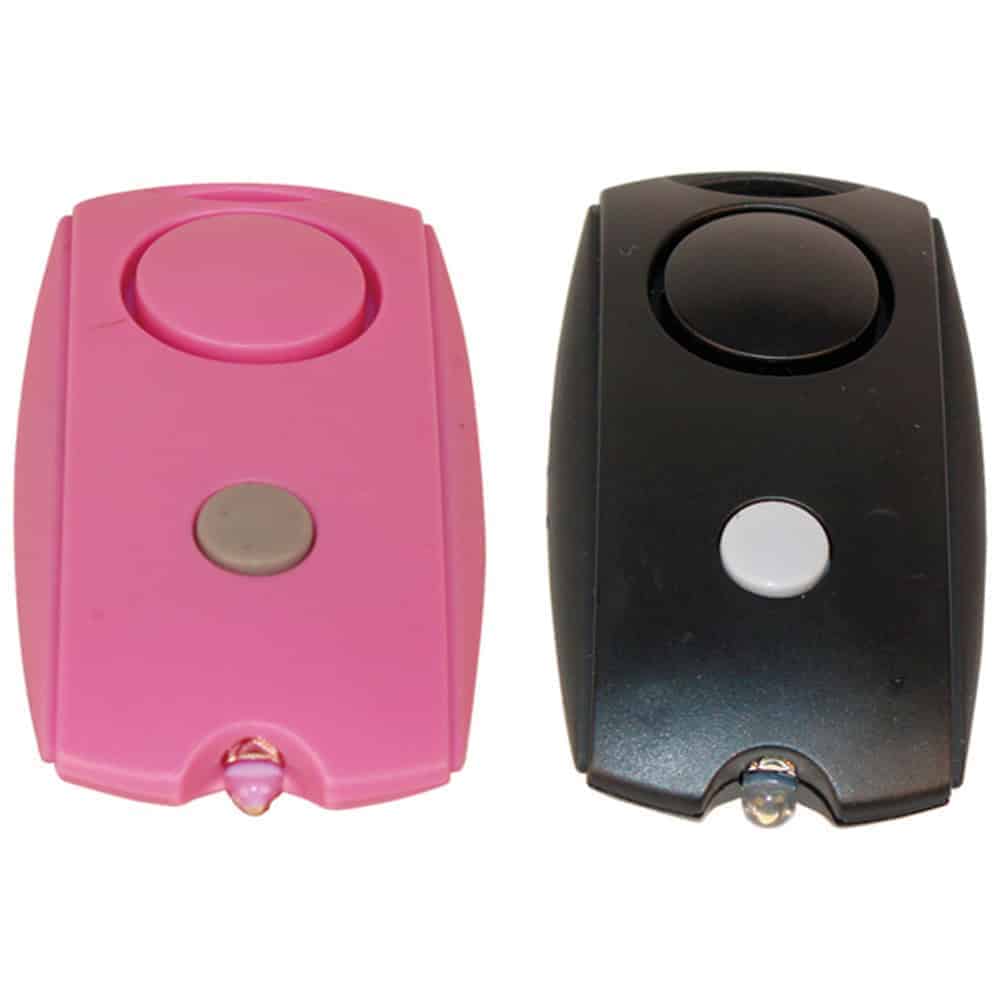
Decibel rating. Anything under 100 dB is background noise in a stressful situation. You want 120–130 dB minimum — that's loud enough to cause genuine disorientation and draw attention from a significant distance. The alarms in this guide all meet or exceed that threshold. Carry style. The best alarm is the one you actually have with you. Think honestly about how you carry your gear — keys, bag, belt, pocket — and choose a form factor that fits your real routine, not your ideal one. A keychain alarm you forget to grab is less useful than a clip-on alarm you never think about because it's always there. Activation method. Pull-pin designs are fast and reliable — one motion, no fumbling. Make sure whatever you choose can be triggered quickly under stress, without needing to look at it. Secondary features. LED lights are genuinely practical, not just marketing add-ons. If you're navigating a dark parking lot or trying to find your car door, a built-in light earns its place. The strobe option is worth considering if you spend time in low-visibility environments. Browse the full personal alarms collection to compare every available option side by side.
One more thing worth saying: a personal alarm isn't a replacement for awareness and smart habits. But it gives you a loud, immediate option in situations where yelling for help isn't enough and you need to act in a split second. That's a real advantage, and it weighs almost nothing.
Frequently Asked Questions
How loud is 130 dB, really?
To put it in perspective, 130 dB is roughly equivalent to a jet engine at close range or a jackhammer at arm's length. It's painful to be near, impossible to ignore, and audible from a significant distance. In practical terms, it draws immediate attention, startles anyone in the area, and makes it very difficult for an attacker to maintain composure and focus. That disruption is exactly what gives you time to get away.
Are personal alarms legal for women to carry everywhere?
Yes — personal alarms are legal in all 50 states and in most countries worldwide. Unlike pepper spray or stun guns, there are no age restrictions, licensing requirements, or prohibited zones associated with carrying a personal alarm. They're one of the most universally permitted personal safety tools available. That said, carrying any item into certain secure facilities like courthouses or airports may be subject to local rules, so use common sense in those environments.
Will a personal alarm actually stop an attacker?
Here's the honest answer: a personal alarm doesn't physically stop anyone. What it does is create an immediate, high-pressure situation that most opportunistic attackers don't want to be part of. A 130 dB siren draws public attention fast and disrupts the attacker's advantage of surprise and secrecy. Most confrontations of this type rely on isolation — take that away and the calculus changes. It's not a guarantee, but it's a meaningful deterrent backed by that simple reality.
Where is the best place to carry a personal alarm?
The best answer is wherever you'll actually have it when you need it. Keychain carry is the most popular choice because your keys are already in hand during two of the highest-risk moments — approaching your car and entering your home. Belt clips work well for running or outdoor activities. Tossing one in the outer pocket of your bag works too, as long as you can grab it quickly. The key is making it a habit, not a backup plan.
Can I travel with a personal alarm on a plane?
Generally, yes — personal alarms are permitted in both carry-on and checked baggage by the TSA, since they contain no liquid, no chemical agent, and no restricted mechanism. However, TSA rules can change and individual officers have discretion, so it's worth checking the current TSA guidelines before you travel. Most travelers carry them in a purse or carry-on without any issue. Always a smart addition to a travel safety kit.