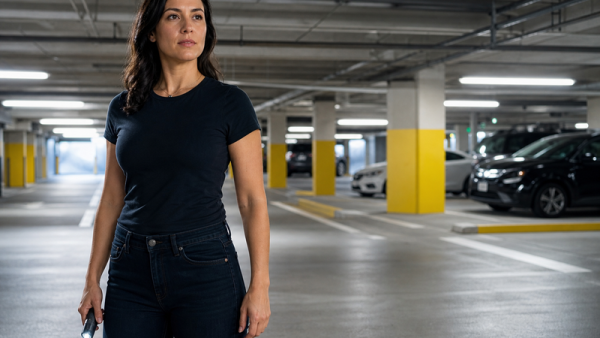
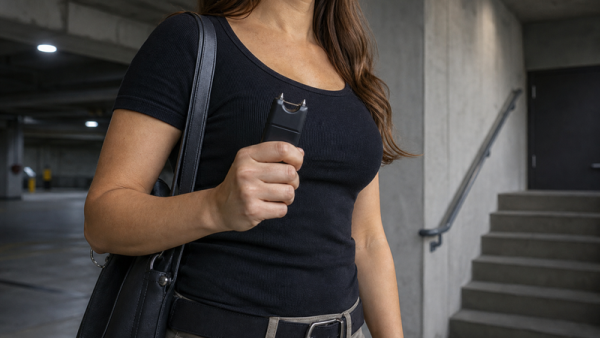
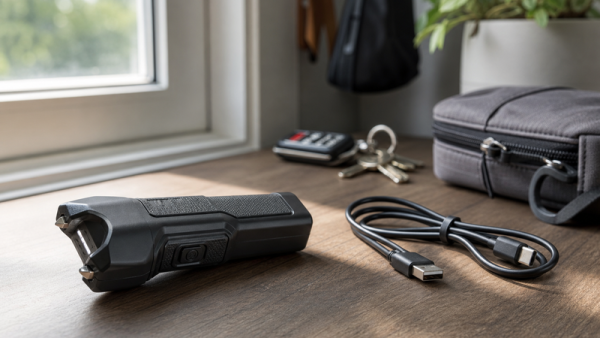
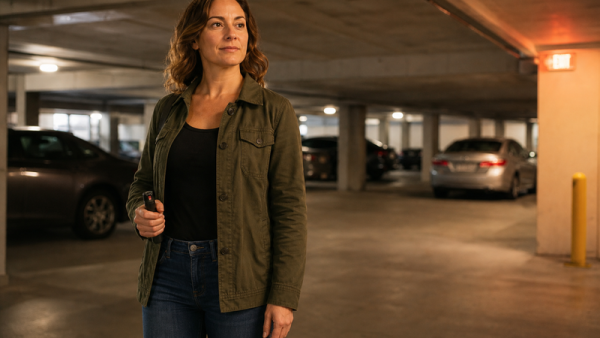
I’m going to let you in on something: when it comes to personal security devices, you don’t want something that feels like it came from a dollar store toy aisle. You want something substantial. Something that feels serious in your hand. Something that makes you think, “Yeah, this will actually work if I need it.”
That’s the difference between a basic flashlight with a stun feature tacked on and a genuine heavy duty shock baton bright beam designed from the ground up for personal protection. It’s the difference between carrying a flimsy plastic gadget and carrying a tool you can genuinely trust.
Let’s talk about what “heavy duty” actually means, what tactical features matter for regular people (not just security professionals), and how to recognize quality construction when you see it.
What Makes a Stun Baton “Heavy Duty”?
The term “heavy duty” gets thrown around a lot in marketing. Sometimes it means something. Sometimes it just means “we made it black and put aggressive styling on it.” Here’s how to tell the difference.
Construction Materials That Matter
The body of your tactical flashlight stun gun rechargeable determines everything else about its performance and longevity.
Aircraft-Grade Aluminum: This is the gold standard. The same material used in airplane construction offers an incredible strength-to-weight ratio. A quality aluminum baton feels solid but isn’t so heavy you’ll leave it at home because it’s annoying to carry. It won’t crack if dropped, won’t warp in heat, and conducts electrical charge efficiently.
Military-Spec Reinforced Polymer: Modern polymers aren’t your grandfather’s plastic. We’re talking about composite materials engineered to withstand serious impacts, resist chemicals and weather, and maintain structural integrity in extreme temperatures. Some high-end devices use polymer bodies with metal cores for the best of both worlds.
Metal Alloy Construction: A metal alloy stun flashlight combo unit typically uses aluminum or zinc alloys that balance durability with reasonable cost. These stand up well to regular use and occasional drops.
What you don’t want is cheap plastic that flexes when you squeeze it, feels hollow when you shake it, or has visible seams that look like they might separate. Pick up the device if you can. Quality construction feels obvious.
Weight and Balance
Here’s a counterintuitive truth: you don’t want your heavy duty shock baton bright beam to actually be heavy. You want it substantial enough to be taken seriously and durable enough to last, but light enough that you’ll actually carry it.
The sweet spot for most people is 10-16 ounces for mid-size models. That’s heavy enough to feel like a real tool, light enough to carry daily. Full-size batons might reach 20+ ounces, which is fine if you’re keeping it in your car or home, but too much for daily pocket or purse carry.
Balance matters too. A well-designed tactical defense light with shock feature distributes weight evenly so it doesn’t feel front-heavy or awkward. When you hold it naturally, it should feel like an extension of your arm, not like you’re wrestling with an unbalanced object.
Impact Resistance
Let’s be realistic about real-world use. Your device will get dropped. Maybe once, maybe a dozen times over the years. Quality construction means it survives these drops without functional damage.
Look for:
- Drop-test ratings (quality manufacturers test from 3-6 feet)
- Reinforced end caps that protect the LED and stun contacts
- Shock-absorbing internal mounting for electronics
- Seamless body construction without weak points
A metal stun baton with emergency light should show minimal wear even after years of regular use. Scratches and scuffs are cosmetic. Cracks, loose parts, or separated seams are deal-breakers.
Tactical Features That Actually Help Civilians
When you see “tactical” in product descriptions, it often just means “painted black with aggressive styling.” But some tactical features genuinely enhance personal security for everyday users.
Strike Bezels and Defensive Edges
Many tactical flashlight stun gun rechargeable devices include reinforced strike bezels—serrated or pointed edges around the flashlight lens. Here’s what they’re actually for:
In a worst-case scenario where someone grabs you and physical contact is unavoidable, the strike bezel can be used for impact defense. You’re not trying to knock someone unconscious like in movies. You’re creating pain compliance and buying yourself seconds to escape or access the stun function.
The bezel also protects the LED lens from impacts and can break through car windows in emergencies. It’s a feature you hope you never use but appreciate having.
Grip Texture and Ergonomics
Smooth metal is slippery, especially when your hands are sweaty, wet, or cold. Quality defensive shock stick with bright beam devices include aggressive grip texturing:
- Knurling (diamond-pattern machining in the metal)
- Rubberized coating or grip rings
- Contoured body design that naturally fits your hand
- Anti-roll features so it doesn’t roll away if set down
Try this if you’re shopping in person: grip the device and shake your hand vigorously. If it feels like it might slip out, keep looking. Your grip needs to be absolutely secure, because in a high-stress situation, your fine motor control goes out the window.
Multiple Light Modes
A high beam tactical shock baton light should offer more than just on/off. Standard modes include:
High Beam: Maximum brightness (300-500+ lumens) for seeing threats at distance or temporarily blinding an attacker. This mode drains batteries faster but delivers maximum visibility.
Low Beam: Reduced brightness (50-100 lumens) for everyday use, close-up tasks, and conserving battery. Plenty of light for navigating dark areas without being overkill.
Strobe: Rapidly flashing light that’s incredibly disorienting. Shine this in someone’s face and they temporarily lose depth perception and coordination. It’s a psychological and physical deterrent that doesn’t require physical contact.
SOS: International distress signal useful if you’re injured, stranded, or need to signal for help.
Mode switching should be intuitive. If you have to click through five modes to get to the one you need, the design has failed. The best systems use separate buttons for primary light and mode cycling, or long-press vs. short-press functions that you can operate without thinking.
Integrated Belt Clips and Carrying Options
A tactical defense light with shock feature you leave at home because it’s annoying to carry is worthless. Quality devices include practical carrying solutions:
- Heavy-duty metal belt clips that won’t break or bend
- Removable holsters (nylon or leather)
- Wrist straps or lanyards
- D-ring attachment points
The clip should be positioned so the device hangs naturally when clipped to your belt or waistband. It should release easily when you need it but stay secure during normal movement.
Power and Performance Features
Tactical construction means nothing if the electrical performance is weak. Here’s what separates serious high voltage stun gun flashlight combos from pretenders.
Contact Point Design
The metal probes that deliver the electrical charge aren’t all created equal. Quality devices feature:
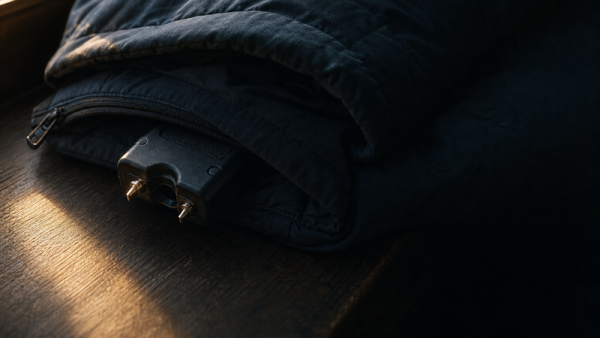
Multiple contact points: Two-point contact is minimum. Some tactical models use three, four, or even six-point contact systems that work better through clothing and ensure solid electrical connection.
Extended probe length: Longer probes (1/4 inch to 1/2 inch) reach through thicker clothing more effectively than short, stubby contacts.
Reinforced mounting: The probes should be solidly attached, not loose or wobbly. Cheap devices have probes that break off or become unreliable after minimal use.
Wide probe spacing: Greater distance between contact points delivers more effective incapacitation by affecting a larger muscle area.
Electrical Circuit Quality
The voltage number (5 million, 10 million, 30 million volts) is marketing. What matters is the complete electrical circuit that delivers effective stopping power while managing battery consumption efficiently.
A well-designed high power stun gun torch combo delivers consistent performance across the entire battery charge. Cheap devices lose effectiveness quickly as the battery drains. Quality circuits maintain full power until the battery is nearly depleted, then warn you it’s time to recharge.
Arc Visibility and Sound
This seems superficial, but it’s actually important. When you test-fire your protective stun gun torch combination device, you should see a bright, consistent electrical arc and hear a loud crackling sound.
That sound alone often stops confrontations before they start. Pull out a device, activate the stun function, and let an aggressor hear and see what’s about to happen. Many times, that’s enough to end the encounter right there.
The arc should be bright blue or white, not dim or inconsistent. If you can barely see or hear it, the device is either poorly designed or needs charging.
Weather Resistance and Durability
Your metal stun baton with emergency light needs to work regardless of weather conditions. Here’s what weather resistance actually means.
IP Rating Explained
IP (Ingress Protection) ratings tell you how well a device resists dust and water. The format is “IP” followed by two numbers:
- First number: Dust resistance (0-6 scale)
- Second number: Water resistance (0-9 scale)
For a tactical flashlight stun gun rechargeable device, you want minimum IPX4 (splash-proof from any direction). Better ratings include:
- IPX5: Water spray resistant (can handle rain)
- IPX6: Powerful water jet resistant (can handle heavy rain)
- IPX7: Submersion resistant up to 1 meter
You probably don’t need submarine-level water resistance, but you definitely want a device that works in rain, snow, or humidity.
Temperature Extremes
Quality heavy duty shock baton bright beam devices operate reliably from -10°F to 120°F. That covers everything from winter car storage to summer vehicle interiors.
Cheap devices fail in extreme temperatures. The LED dims, the electrical circuit becomes unreliable, or the battery loses capacity. Tactical-grade devices maintain performance across temperature ranges.
Corrosion Resistance
Metal construction means potential corrosion from moisture, salt air (if you live near the coast), or humidity. Quality devices use:
- Anodized aluminum (forms a protective oxide layer)
- Stainless steel components for critical parts
- Sealed battery compartments
- Protective coatings on electrical contacts
A metal alloy stun flashlight combo unit should show minimal corrosion even after years of use in humid environments.
Explore our selection of weather-resistant tactical stun batons built for real-world conditions.
What “Tactical” Doesn’t Mean
Let’s clear up some misconceptions. Just because something looks aggressive doesn’t mean it’s actually better.
Excessive Size Isn’t Tactical
A 24-inch stun baton might look impressive, but it’s impractical for most users. You won’t carry it daily, it’s awkward to store, and in close-quarters situations (which is where most self-defense happens), excessive length becomes a liability.
True tactical design prioritizes effectiveness and usability over intimidation factor. A 14-16 inch tactical defense light with shock feature delivers all the capability you need while remaining practical for actual carry and use.
Spikes or Aggressive Styling
Some devices feature excessive spikes, shark-tooth patterns, or skull designs. This is marketing to a specific aesthetic, not functional improvement. In fact, overly aggressive styling can create legal problems—you might have to explain to a prosecutor why you were carrying something that looks like you were looking for trouble.
Professional-grade equipment typically features clean, functional design. It looks serious but not ridiculous.
Unnecessary Gimmicks
Built-in glass breakers, hidden knives, added lasers, compass features—these add failure points and complexity without meaningful benefit for civilian personal defense. A dual purpose security baton light tool does two things exceptionally well: provides light and delivers electrical defense. That’s all you need.
Choosing Your Heavy Duty Device
Here’s how to select the right heavy duty shock baton bright beam for your specific needs.
Assess Your Primary Use Case
Daily carry protection: Mid-size (14-16 inches), under 16 ounces, comfortable clip or holster
Vehicle storage: Full-size acceptable (16-18 inches), maximum power and brightness
Home security: Full-size (17-20 inches), longest runtime, substantial feel
Travel/temporary situations: Compact to mid-size (12-15 inches), emphasis on portability
Handle It If Possible
Online shopping is convenient, but if you can visit a store and actually hold different models, do it. You’ll immediately know which size and weight feels right. You’ll discover which grip texture works for your hands. You’ll see which devices feel like quality tools versus cheap gadgets.
Research the Manufacturer
Quality manufacturers stand behind their products with real warranties (1-5 years, sometimes lifetime). They provide actual customer support phone numbers and email addresses. They publish detailed specifications and testing results.
If you can’t find real information about who makes a device, where it’s made, or how to contact the company with problems, that’s a red flag.
Read Real Reviews
Look for reviews from people who’ve actually used the device over time—not just unboxing videos or paid endorsements. Key things to look for in reviews:
- Does it still work after months of ownership?
- How does it hold up to drops or rough handling?
- Is the battery life as advertised?
- Did the company honor the warranty if problems occurred?
Maintenance for Maximum Longevity
Heavy duty construction means minimal maintenance, but not zero maintenance.
Regular Cleaning
Wipe down your protective shock stick with LED beam monthly with a slightly damp cloth. Pay special attention to:
- Grip areas where oil and dirt accumulate
- Electrical contact points (use rubbing alcohol on cotton swab)
- LED lens and strike bezel
- Charging port (keep free of debris)
Functional Testing
Test monthly:
- All light modes function properly
- Stun arc is bright and loud
- Safety switches move freely
- Clip or holster attachment is secure
- No rattling or loose components
Storage Considerations
Store your tactical flashlight stun gun rechargeable device in moderate temperatures when possible. Avoid leaving it in hot cars for extended periods or in freezing garages all winter if you can help it. The electronics and battery will thank you with extended lifespan.
Frequently Asked Questions
Is heavier always better for self-defense?
Not necessarily. Weight can help if you need to use the device for impact defense, but excessive weight means you won’t carry it consistently. The best device is the one you actually have with you.
Do metal construction devices conduct electricity back to me?
No. The electrical charge travels between the contact points only. The metal body is insulated from the electrical circuit. You could hold a metal stun baton while it’s discharging and feel nothing.
Are aluminum devices better than polymer?
Both have advantages. Aluminum is more rigid and traditional. Modern polymers can be equally durable while being lighter and less expensive. Either material is fine if construction quality is high.
What’s the difference between tactical-grade and consumer-grade?
Tactical-grade typically means better materials, more rigorous testing, higher build standards, and better warranties. Consumer-grade often means good enough for occasional use but not designed for daily professional use. For personal defense, mid-range consumer devices are usually sufficient.
Can a heavy duty stun baton fail when I need it?
Any electronic device can fail, which is why regular testing and maintenance matters. Quality devices from reputable manufacturers have very low failure rates. The most common “failure” is simply a discharged battery—preventable with regular charging.
Should I get the highest voltage available?
Not necessarily. Once you’re above 5 million volts with quality circuit design, higher numbers are mostly marketing. Focus on build quality, battery life, and practical features rather than chasing voltage specifications.
The Bottom Line
A genuine heavy duty shock baton bright beam isn’t just about impressive specifications. It’s about confidence. When you pick up a well-constructed device, you immediately feel the difference. It’s substantial without being cumbersome. It’s powerful without being complicated. It’s durable without being indestructible.
Most importantly, it’s something you’ll actually carry and use, not something that sits in a drawer because it’s too annoying to deal with.
The tactical features that matter aren’t about looking tough—they’re about working reliably when you need them. Good grip texture. Reliable electrical performance. Weather resistance. Long battery life. These are the things that actually protect you.
Ready to invest in quality protection? Browse our complete selection of heavy-duty tactical stun batons and find the device that matches your needs.
Because when it comes to personal security, “good enough” isn’t good enough.