

Door and Window Alarms for Rentals and Apartments
You signed the lease, but you didn’t get to choose the locks—or who had keys to this unit before you moved in. Maybe the building has a buzzer entry, but you’ve watched enough people hold the door open for strangers to know that doesn’t count for much. What you need is something that tells you immediately if a door or window opens when it shouldn’t, without requiring a landlord’s permission or a security deposit claim when you leave. These are the alarms that renters actually use—battery-powered, adhesive-mounted, and portable enough to take with you when your lease is up.
Our Top Picks for Renters and Apartment Dwellers


What to Look for in a Door or Window Alarm for a Rental or Apartment
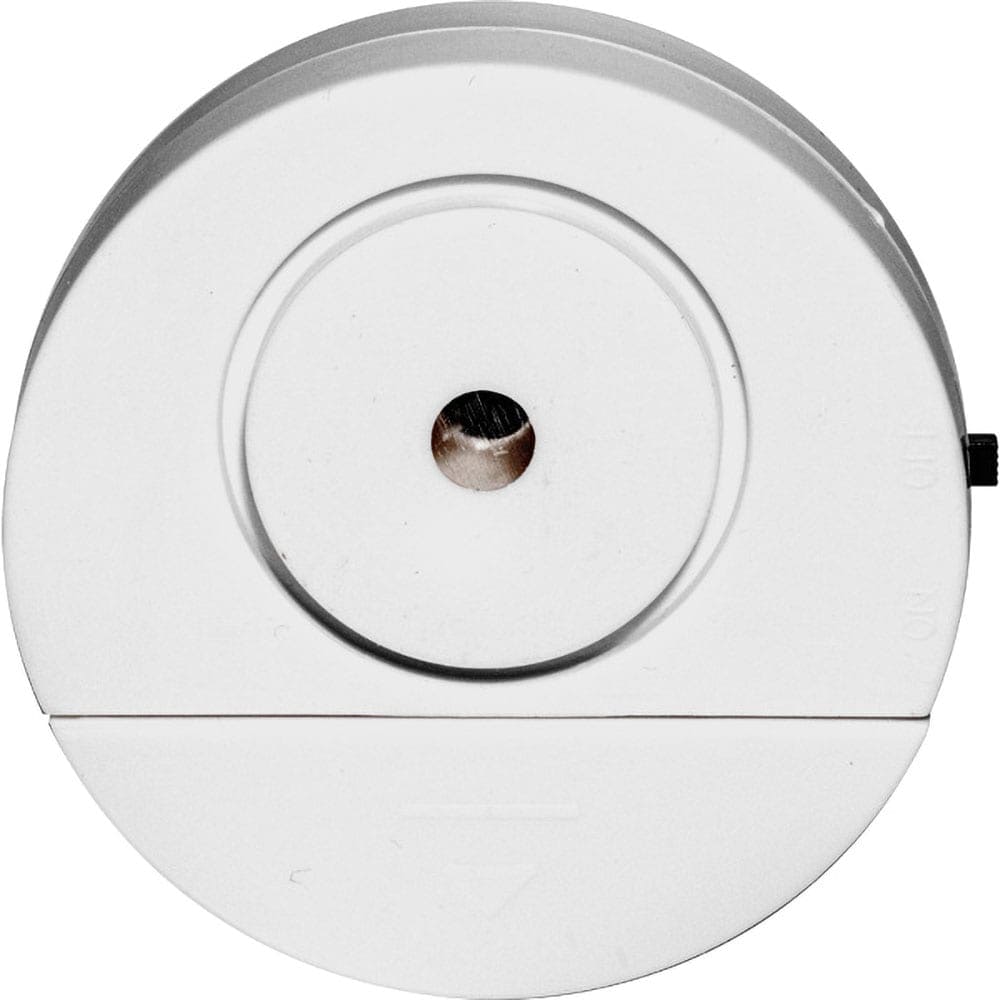
No permanent installation. The first thing to check is how the alarm mounts. Anything requiring screws or drilling puts your security deposit at risk—and most landlords won’t allow it anyway. The Magnetic Door-Window Alarm 2-Pack and the Glass Break Alarm 2-Pack both use adhesive mounting. They go on in seconds and come off cleanly when you move.
Loud enough to actually matter. A 60 or 70 dB alarm might be quiet enough that an intruder shrugs and keeps moving. The alarms in this lineup range from 90 dB to 120 dB—the door stop alarm hits 120 dB, which is physically painful at close range and audible to neighbors through apartment walls. That’s the level you want.
Battery-powered, not wired. Wired alarms require professional installation and landlord approval. Battery-operated alarms give you full independence—install them yourself, move them if needed, and take them with you when you leave. Every product in this lineup runs on standard batteries, already included.
Coverage type: contact sensor vs. vibration sensor. These two technologies cover different threats. The Magnetic Door-Window Alarm uses a magnetic contact sensor—it triggers when the two halves of the magnet separate, meaning someone actually opened the door or window. The Glass Break Alarm uses a vibration sensor—it triggers when the glass is struck or broken without opening. Ground-floor windows with easy outside access benefit from both.
Portable for renters who move. If you’re on a one-year lease and plan to move again, portability matters. The door guard alarm and door stop alarm require no installation at all—you hang them or wedge them in place and remove them in seconds. The adhesive-mounted alarms are also portable, though the adhesive mounts are generally single-use.
How to Set Up Door and Window Alarms in an Apartment
Start with your primary entry points. Front door first, always. Then ground-floor windows and any sliding glass door or balcony entry. The Magnetic Door-Window Alarm 2-Pack covers two points straight out of the box—most renters put one on the front door and one on the most accessible window. If you want to go further, the glass break alarms add a layer on windows that won’t be caught by a contact sensor if someone breaks the glass without opening it.
Use the door stop alarm for overnight protection. The door stop alarm is different from the adhesive-mounted options—it’s not a permanent installation, it’s something you deploy at night. Wedge it against the bottom of your front door before you go to sleep. If someone tries to push the door open, the wedge holds and the 120 dB siren fires. It’s the closest thing to a deadbolt that requires no modification to your door.
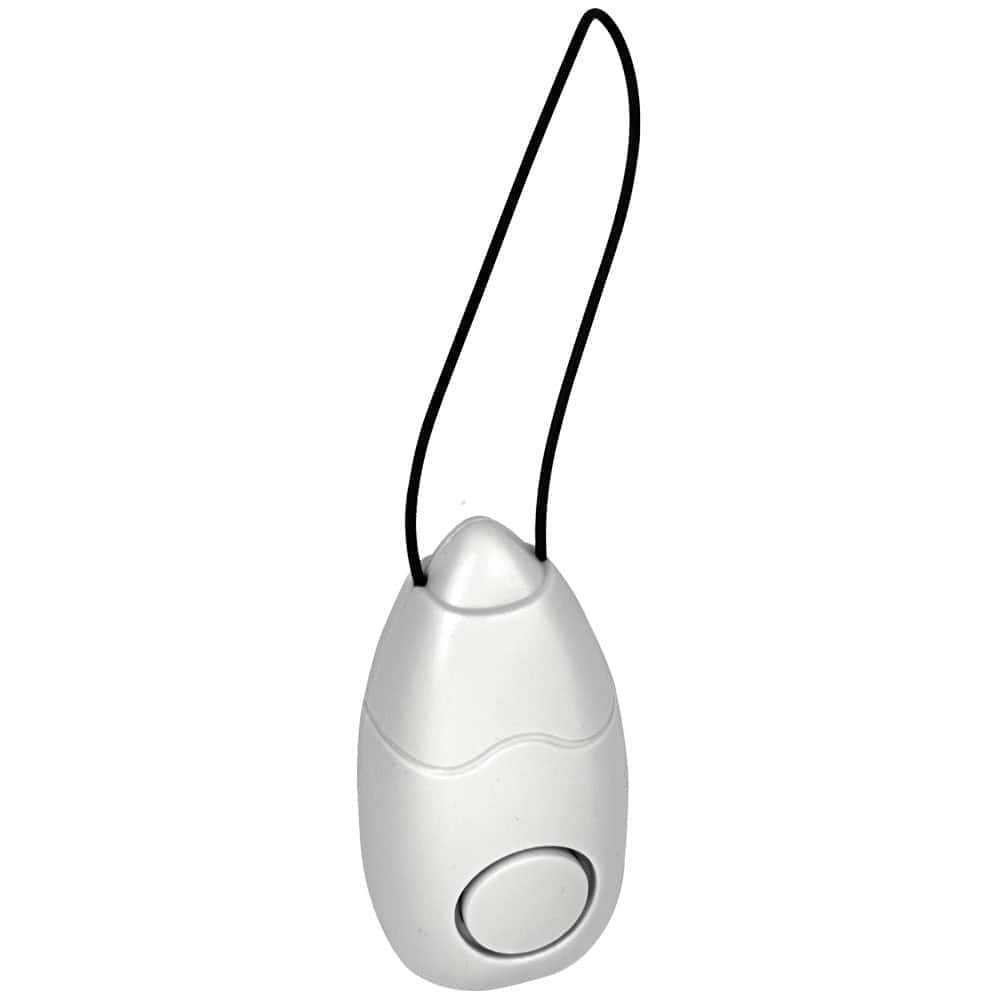
Think about what you’re actually protecting against. Most apartment break-ins happen through the front door or ground-floor windows. A contact alarm on the door covers forced entry. Glass break alarms cover window smash-and-grab attempts. If you’re on an upper floor without balcony access, a door alarm plus a personal alarm in your bedroom is often more than enough. You don’t need to alarm every window in the building—just the realistic entry points.
Frequently Asked Questions
A: The magnetic door-window alarms and glass break alarms both use adhesive mounting—no screws, no drilling, no damage to door frames. Most renters remove them cleanly at move-out. If you’re concerned about a specific surface, test the adhesive on an inconspicuous spot first, or use removable mounting strips as an alternative.
A: Yes—portable, battery-operated door and window alarms are legal in all 50 states and do not require landlord permission in most cases because they don’t permanently alter the property. That said, lease terms vary, so it’s worth reviewing yours if you have any doubt. For more information on laws affecting security devices, see our Laws & Restrictions page at https://reveresecurity.com/law-and-restrictions/.
A: Start with the front door and any ground-floor or easily accessible windows—those are the entry points that matter most. The magnetic door-window alarm 2-pack lets you cover two points immediately. If you’re on an upper floor with a balcony door, that’s worth covering too. The door stop alarm is especially useful for the front door at night since it physically blocks the door from opening in addition to sounding the alarm.
A: A monitored security system gives you 24/7 professional response, but most require installation, monthly fees, and landlord approval—none of which works in a typical rental. Door and window alarms fill the gap: they’re loud enough to scare off an intruder and wake you up, they’re portable so you take them when you move, and there’s no contract or monthly bill. For most renters, a few well-placed alarms provide real deterrence at a fraction of the cost.
A: The alarms in our lineup range from 90 dB to 120 dB. To put that in perspective, 90 dB is roughly the volume of a lawnmower—loud enough to startle anyone in the room and alert nearby neighbors. The door stop alarm reaches 120 dB, which is close to a rock concert and causes pain at close range. In an apartment building where walls are shared, even the quieter models will be heard.
Not Sure Which Alarm Is Right for Your Rental?
Every rental situation is a little different—floor level, door type, lease restrictions. Give us a call at 800-859-5566 and we'll help you figure out exactly what makes sense for your space.
Shop All Door & Window Alarms