Yes, stun batons are effective against large attackers — and in several ways, they’re better suited for that scenario than smaller stun guns. The extended reach keeps distance between you and a bigger threat, the electrical charge disrupts muscle control regardless of body size, and the baton’s solid construction doubles as a physical barrier. Size matters less than you might think when the nervous system is involved.
That said, “effective” deserves an honest conversation. No self-defense tool is a guarantee. What a stun baton does is give you real, meaningful options in a situation where you’d otherwise have very few. That’s what this post is about — not hype, not scare tactics, just a clear-eyed look at what these tools actually do, how they work against larger opponents, and what you need to know before you rely on one.
How does electrical current affect a large person differently than a smaller one?
Here’s something that surprises a lot of people: electrical current doesn’t scale with body size the way punching power does. A stun device works by delivering a high-voltage, low-amperage charge that temporarily disrupts the body’s neuromuscular system — causing involuntary muscle contractions that make it very difficult to maintain coordinated movement or continue an attack. That process happens in the nervous system, and nervous systems work essentially the same way regardless of whether someone is 140 pounds or 280 pounds.
What this means practically is that a large attacker doesn’t have a built-in resistance to the charge. Their size doesn’t insulate them. A bigger body has more muscle mass that can go into painful, uncontrolled contraction — which, if anything, can make the effect more disorienting. The shock doesn’t care about body weight. It cares about contact and duration.
Where body size does matter is in what happens after the shock ends. A larger person may recover faster physically and may be more capable of pushing through adrenaline. This is why the reach advantage of a stun baton is so important — it buys you time and distance that a compact stun gun may not. The goal isn’t to knock someone out cold. The goal is to create enough disruption that you can get away. Against a large attacker, that window is precious.
What makes a stun baton different from a regular stun gun when facing a bigger threat?
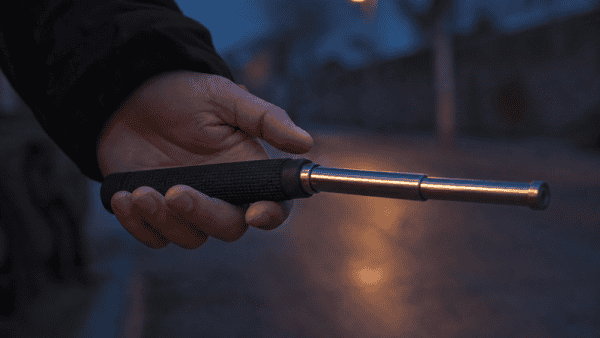
The core difference is reach and versatility. A standard stun gun requires you to be within arm’s length of your attacker — which, against someone significantly larger than you, puts you at a real physical disadvantage. A stun baton extends that range by 12 to 24 inches depending on the model. That might not sound like much, but in a close-quarters encounter, those inches are everything.
Beyond reach, most stun batons are built sturdier than compact stun devices. They’re designed to take impact. If the electrical component doesn’t end the confrontation immediately, the baton itself can be used to create space — blocking a grab, delivering a firm strike to a sensitive area, or simply being an obstacle between you and a larger opponent. This layered capability is what makes stun batons a serious choice for people who are concerned about facing someone with a significant size and strength advantage.
There’s also a deterrence factor worth mentioning. The sound and visible arc of a stun baton activating can be enough to end a confrontation before it starts. Most people — regardless of size — aren’t eager to close the distance when they can see and hear what’s waiting for them. If you want to explore compact options that balance power and portability, our post on whether stun guns are actually effective for self-defense covers the broader landscape well.
Are there specific stun baton features that matter most for self-defense against larger opponents?
Yes, and it’s worth knowing what to look for rather than just grabbing whatever looks the most intimidating. Here are the features that genuinely matter:
Voltage and amperage. Voltage gets the charge through clothing and to the body. Amperage determines the intensity of the effect. You want a baton with sufficient output to be effective through layers — not just a thin t-shirt. Reputable brands like Streetwise and ZAP offer well-tested output in their baton designs. Look for models tested at meaningful output levels, not just marketing numbers.
Contact spread. Some batons have multiple contact points along the shaft, not just at the tip. This increases the odds of solid contact during a real struggle where precision goes out the window. More contact area means more reliable delivery.
Grip and construction. A stun baton that slips out of your hand under stress is worse than useless. Look for rubberized grips, wrist straps, and solid construction. If you’re going to carry this as a serious tool, it needs to hold up to real conditions.
Disable pin or safety mechanism. This is non-negotiable. If a larger attacker manages to grab your baton, you don’t want it working in their hands. A wrist strap disable pin renders the device inactive the moment it leaves your grip. That feature alone can be the difference between a tool that protects you and one that’s turned against you.
If you’re looking at holster-compatible options that make carry practical for daily use, stun guns with holsters are worth considering alongside baton-style models — especially if you’re on the move regularly.
Is a stun baton realistic for everyday carry, or is it too bulky to be practical?
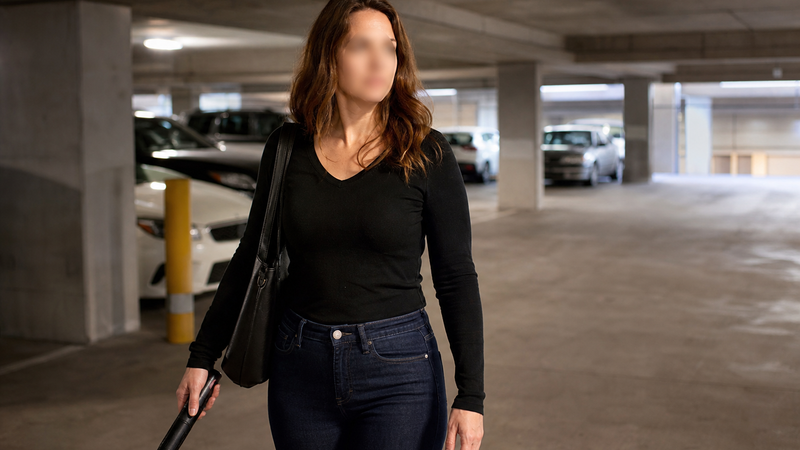
This is an honest concern, and it deserves a straight answer. Most full-size stun batons are not pocket-carry items. They’re typically 12 to 20 inches long and meant to be carried in a bag, backpack, or vehicle — or at the hip if you’re comfortable with that. For people who commute on foot, work in environments where they may encounter larger threatening individuals, or spend time in parking areas and isolated locations, the baton rides in the bag and is retrieved when needed.
The question isn’t “can I pocket this?” The question is “will I have this accessible when I need it?” A stun baton kept in a car’s center console, a work bag by the desk, or near an entry point at home is far more useful than a compact device left at home because it was inconvenient to carry that day.
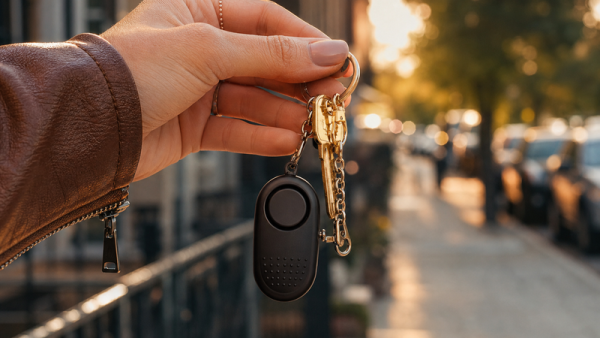
That said, if you’re looking for something that goes everywhere with you, a compact legal stun gun for everyday carry might better fit your actual habits. The best self-defense tool is the one you actually have with you. Professionals like real estate agents who meet clients in unfamiliar locations often benefit from a practical, portable option — our guide on stun guns for real estate agents covers those specific considerations in detail.
What do you need to practice to actually use a stun baton effectively under pressure?
Owning a stun baton and being prepared to use one are two different things. The good news is that preparation doesn’t require a martial arts background or hours of training. It requires familiarity — knowing your tool well enough that muscle memory takes over when your hands are shaking and your heart is pounding.
At minimum, practice these things before you ever need them in a real situation:
Draw speed. Can you get the baton out of your bag, backpack, or holster quickly with one hand? Practice this until it’s automatic. In a real encounter, you may have seconds — not minutes.
Activation. Know exactly how to turn it on and activate the charge without looking at it. Every model is slightly different. Know yours.
Target zones. Against a large attacker, the most effective contact points are the neck and shoulders, the torso (especially sides and upper back), and the hip area. These zones have dense nerve clusters and muscle groups. Aiming for an arm or a hand is less reliable. Know where you’re trying to make contact before you’re in the situation.
Hold duration. A brief touch produces a startle effect. Sustained contact — even two to three seconds — produces the neuromuscular disruption that actually creates your escape window. Practice holding, not just jabbing.
Also worth noting: a stun baton should be one layer of your safety plan, not the whole plan. Awareness, avoidance, and knowing your environment are the foundation. The baton is what you reach for when those layers have failed. Teachers, for example, often benefit from thinking about layered safety tools — and our resource on stun guns for teachers addresses how to think about that in a professional setting.
How does a stun baton compare to pepper spray when the attacker is larger?
Both are legitimate tools. They work differently, and understanding those differences helps you make the right choice for your situation.
Pepper spray is effective at a longer range — typically 8 to 15 feet — which is a real advantage. You can stop a threat before they close the distance. But spray depends on accuracy, wind conditions, and the attacker not having a high pain tolerance or being under the influence. Intoxicated individuals sometimes push through OC spray in ways that a sober person wouldn’t.
A stun baton requires contact, but the neuromuscular effect it delivers is less dependent on pain tolerance. Someone who is drunk or highly agitated can still experience the involuntary muscle disruption that a stun device produces. That’s a meaningful distinction when the concern is a large, potentially intoxicated attacker.
Many experienced self-defense instructors recommend carrying both — spray for distance, a stun device for close quarters. If you’re building out that kind of layered approach, our breakdown of how effective stun guns are for self-defense is a solid companion read to this one.
Frequently Asked Questions About Stun Batons and Large Attackers
Will a stun baton stop a large attacker who is on drugs or alcohol?
Stun devices are generally more reliable than pepper spray against intoxicated individuals because they work through neuromuscular disruption rather than pain response. That said, no tool is 100% reliable in every situation. Someone under the influence may recover faster or react unpredictably. Use the disruption window to create distance and escape — don’t stand and wait to see if the effect holds.
Do I need to hold the stun baton in contact for a long time to make it effective?
Longer contact produces a stronger effect. A brief touch delivers a painful startle that may stop some attackers. Sustained contact of two to three seconds creates the muscle disruption that impairs coordinated movement more reliably. In a real encounter, hold contact as long as safely possible while positioning yourself to move away. The goal is your escape, not prolonged contact.
Can a larger attacker grab my stun baton and use it against me?
This is a real risk to plan for. Models with a wrist-strap disable pin address this directly — the device deactivates when it leaves your hand. Look for this feature specifically when buying a baton you intend to use in close quarters. Also, maintaining your grip and body positioning to prevent a grab is something worth thinking through before you’re in that situation.
How many volts does a stun baton need to be effective against a large person?
Voltage figures in self-defense marketing are notoriously inflated and hard to verify. What matters more is the amperage and the quality of the contact. A well-built stun baton from a reputable brand at a moderate voltage rating will outperform a cheap, high-voltage-claimed device with poor construction. Focus on brand reputation and build quality over voltage numbers.
Is a stun baton legal to carry in my state?
Stun devices are legal in most U.S. states, but laws vary — some states restrict voltage, some require permits, and a few prohibit them entirely. Cities and counties can also have their own restrictions. Always check your state and local laws before purchasing or carrying any stun device. We can’t give legal advice, but your state’s attorney general website is a reliable starting point.
How often should I charge my stun baton to make sure it works when I need it?
Most rechargeable stun batons should be charged for the initial full charge cycle when new, then topped off monthly even with light use. If you’ve activated it for testing or deterrence, recharge sooner. A dead battery in a self-defense device is a dangerous false sense of security. Set a monthly reminder and treat it like smoke detector maintenance.
Can a stun baton be used at home for protection, not just for carrying?
Absolutely. A stun baton kept near the bed, at a home entry point, or in a vehicle is a practical home defense option for people who prefer non-lethal tools. The reach advantage is just as relevant at home as it is outdoors — possibly more so, since home encounters often happen in close-quarters hallways or rooms where distance is limited. Just store it safely away from children.
Does a stun baton work through thick clothing on a large attacker?
Most quality stun batons are designed to penetrate through typical layered clothing — hoodies, jackets, and denim. Very thick insulated outerwear can reduce effectiveness, particularly if the contact points can’t make reliable skin contact. This is why contact zone matters: the neck, sides, and areas where clothing fits closer to the body tend to be more reliable target areas in colder-weather confrontations.
The bottom line on stun batons and large attackers is this: the size difference that matters most in a physical confrontation isn’t eliminated by a self-defense tool alone, but it can be meaningfully leveled. A stun baton works with your nervous system’s response to electrical disruption, not against your body’s physical limitations. It gives you reach, it gives you options, and when the alternative is no options at all, that matters enormously.
Take the time to find the right model, get familiar with how it works, and make sure you’ll actually have it with you. That’s the practical side of personal safety — not just owning a tool, but making it part of a real plan. Browse Revere Security’s stun baton selection when you’re ready, and don’t hesitate to reach out if you have questions about what fits your situation best.