The strongest TASER you can legally buy as a civilian is the TASER Pulse 2 — a consumer-grade device that delivers the same neuromuscular disruption technology used by law enforcement, with a 15-foot range and 30-second cycle time that gives you a real window to get away. Voltage alone doesn’t tell the whole story; what separates truly effective devices from shelf-fillers is amperage, contact quality, and whether the charge actually reaches the nervous system.
Here’s what nobody tells you when you start searching for this: the strongest stun device isn’t always the one with the biggest number on the box. It’s the one you’ll actually carry, that works the way it’s supposed to, when the moment comes. And that moment — the one you’re quietly hoping never arrives — is exactly why this decision matters so much. You’re not buying a gadget. You’re buying a second chance.
What makes a TASER or stun gun truly powerful for self-defense?
It starts with understanding the difference between what’s printed on the packaging and what actually drops someone who means you harm. Most people focus on voltage — and you’ll see numbers like 50 million, 80 million, even 100 million volts splashed across packaging. Here’s the honest truth: voltage is about penetration. It’s what pushes the charge through clothing and skin. But it’s amperage — the actual current — that affects the human nervous system.
Effective civilian stun devices deliver somewhere between 3 and 5 milliamps. That’s enough to cause involuntary muscle contractions and temporarily incapacitate someone without causing permanent injury. Go much higher and you’re crossing into medical risk. That’s why reputable manufacturers cap output where they do — it’s not a limitation, it’s responsible engineering. When you see a well-built device rated at 4.9 milliamps, that’s not underwhelming. That’s precise.
Beyond the numbers, probe contact matters enormously. A projectile TASER like the TASER (versus a traditional stun gun) fires two probes that spread apart as they travel, maximizing the muscle group affected. Wider probe spread means more of the body’s neuromuscular system is engaged — and that’s what causes someone to go down rather than just recoil. A direct contact stun gun works too, but you’re in range. A projectile TASER gives you distance, and distance is everything.
What is the difference between a TASER and a stun gun when it comes to stopping power?
This is the question that actually changes the decision for most people. A stun gun requires direct physical contact — you press it against someone and activate it. It’s effective, and many people carry one comfortably for years. But it means you’re already close enough to be grabbed, shoved, or struck. That proximity changes everything about a confrontation.
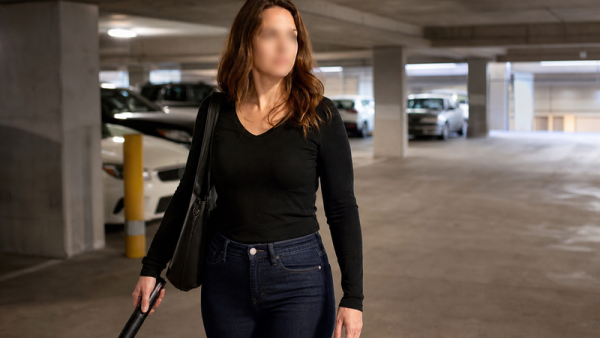
A TASER fires probes on thin wires, reaching a threat from several feet away. The civilian Pulse 2 reaches out to 15 feet. Think about what that means in a real moment: a parking lot, a stairwell, an elevator lobby. Fifteen feet is the distance between you and someone who just stepped out of the shadows. It’s the space between close and too close.
After the probes connect, the 30-second cycle runs automatically — giving you time to set the device down and run without having to stay engaged. And if you’re a TASER Pulse 2 owner, there’s also an AXON Protect program that can replace the device if you use it in a legitimate self-defense situation and report it to law enforcement. That’s a company standing behind the people who trust their product in the hardest moments.
For most people who want real distance and real stopping power, the TASER Pulse 2 is as strong as consumer-grade legally gets. If you want to understand how they compare side by side before you decide, this breakdown of TASER vs. stun gun for self-defense lays out exactly what each does and who each one is best for.
Are high-voltage stun guns like the Streetwise or Runt models actually effective?
Yes — and they deserve more credit than they get. When a projectile TASER isn’t the right fit — whether it’s budget, carry preference, or the environment you’re in — a quality direct-contact stun gun is a real and proven option. The key is choosing one built with the right amperage, reliable contacts, and a form factor you’ll actually carry every single day.
Brands like Streetwise and Runt build devices specifically with civilian carry in mind. The Runt, for example, is small enough to wrap your hand around completely, with contact points at the top that don’t require perfect alignment to work. Streetwise devices often include additional features like built-in flashlights and safety disable switches. These aren’t afterthoughts — they’re the details that make the difference when your hands are shaking and your heart is pounding.
What matters most isn’t which brand you choose — it’s that you choose one you’ll actually keep charged, actually keep on your person, and actually know how to use. A 100 million volt stun gun in your glove box is worth exactly nothing when you need it in a parking structure. A fully charged Runt in your jacket pocket is worth everything.
What should you look for beyond voltage when buying the strongest legal stun device?
Start with milliamp output. If the manufacturer lists it, that’s a good sign — it means they’re being honest about what the device actually does. Anywhere in the 3–5 milliamp range is where effective civilian devices live. Anything that hides behind “millions of volts” without disclosing current is telling you something by its silence.
Next, look at the safety mechanism. A device without a reliable safety is dangerous in your own hands, not just in someone else’s. The best designs include a disable pin — a wrist strap that pulls a safety pin free if someone grabs the device from you, making it immediately non-functional. That single feature is what separates thoughtfully designed self-defense tools from dangerous ones.
Battery type matters more than most people realize. A stun device on a dead battery is a piece of plastic. Look for rechargeable built-in batteries with clear charge indicators, or devices that use standard replaceable batteries you’ll actually remember to swap. And carry style matters too — if the device doesn’t fit your pocket, your bag, or your hand comfortably, it’ll end up somewhere other than with you.
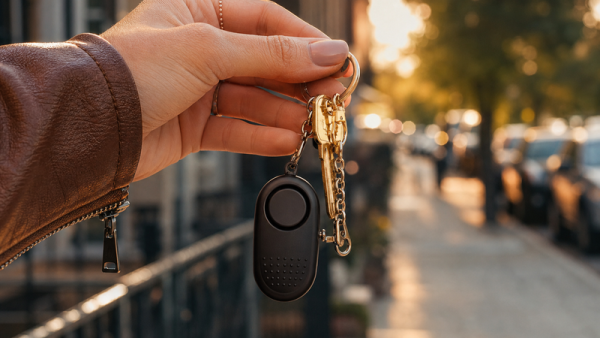
Finally, consider what else you might want in your personal safety toolkit. Many people who carry a stun device also carry a quality pepper spray as a secondary option, or a personal alarm that draws attention and creates a scene. Layers matter. No single tool is the answer to every situation.
Is the strongest TASER legal to carry in your state?
This is where the conversation has to get honest with you. The TASER Pulse 2 and similar civilian stun devices are legal in most U.S. states — but not all, and the rules vary significantly. Some states permit stun guns and TASERs without restriction. Others require permits, restrict carry locations, or limit who can own them. A small number prohibit civilian ownership entirely.
You need to check your specific state and local laws before you buy. This isn’t legal advice — it’s a real responsibility that comes with owning one of these devices. TASER’s own website includes a state-by-state legal guide as a starting point. Your local sheriff’s department or an attorney familiar with your state’s weapons laws can give you the definitive answer.
If you’re a professional who carries in and out of different environments — real estate agents, rideshare drivers, healthcare workers — understanding where and how you can carry isn’t optional. It’s part of carrying responsibly.
How do you maintain a stun gun or TASER so it’s ready when you actually need it?
This is the part most people skip, and it’s the part that matters most when the moment comes. A stun device that hasn’t been charged in six months, stored in a hot car, or dropped on concrete without inspection is not a reliable tool — it’s a false sense of security.
For rechargeable devices, plug it in on a regular schedule. Many people tie it to a weekly habit — Sunday nights, first of the month, same day they test their smoke alarms. For battery-powered devices, replace batteries every few months even if you haven’t used it. Check contact points periodically for corrosion. Test fire it briefly in a safe direction to confirm it’s functioning. Inspect the safety mechanism to make sure it engages and releases properly.
Store it where you can reach it, not where it’s technically accessible. That means the pocket you actually use, the bag you actually carry, the drawer next to the bed — not the top shelf of the closet. A self-defense tool only works if it’s in your hands when you need it.
Frequently Asked Questions About the Strongest Legal TASERs
What is the most powerful TASER civilians can legally buy?
The TASER Pulse 2 is the most powerful consumer-grade TASER available to civilians. It uses the same neuromuscular disruption technology found in law enforcement models, fires probes up to 15 feet, and runs a 30-second incapacitation cycle. It’s available without a background check in most states, though you should verify your local laws before purchasing.
Does higher voltage mean a stun gun is more powerful?
Not exactly. Voltage determines how well a charge penetrates clothing and skin — which matters. But amperage (current) is what actually affects the nervous system and causes muscle incapacitation. Effective civilian stun devices typically deliver 3–5 milliamps. A device advertising 100 million volts without disclosing milliamp output is giving you half the picture.
What’s the difference between a TASER and a stun gun for stopping power?
A TASER fires two probes on wires, allowing you to stop a threat from up to 15 feet away. A stun gun requires direct contact, meaning you must be within arm’s reach. Both can be effective, but TASERs offer significantly more distance — which is a meaningful safety advantage in most real-world confrontations. The tradeoff is cost and size.
Are stun guns legal to carry everywhere in the US?
No. Stun guns and TASERs are legal in most states, but some have restrictions on permits, carry locations, or who can own them. A few states prohibit civilian ownership entirely. Laws also vary at the city and county level. Always check your specific state and local regulations before purchasing or carrying any stun device.
What milliamp output should I look for in a stun gun?
Look for devices rated in the 3–5 milliamp range. This is where effective civilian stun devices operate — enough to cause involuntary muscle contractions and temporary incapacitation without permanent injury. If a manufacturer doesn’t disclose milliamp output and only advertises voltage, treat that as a red flag about how forthcoming they’re being about actual performance.
Should I carry a TASER or pepper spray for self-defense?
Many people carry both, and for good reason. A TASER or stun gun requires the threat to be in range; pepper spray creates distance and affects anyone in a spray pattern without requiring precise aim. They solve slightly different problems. If you’re building a personal safety toolkit, layering a stun device with a quality pepper spray gives you more options in more situations.
How often should I charge my stun gun?
For most rechargeable stun guns and TASERs, charging every 1–3 months is a reasonable baseline if you’re not using it regularly. Many people build a charging habit tied to a weekly or monthly routine. The worst outcome is needing your device and finding a dead battery. Check the manufacturer’s specific recommendations — some devices hold a charge longer than others.
Can someone grab a stun gun out of your hand and use it against you?
It’s a real concern, and the best devices address it directly. Look for a wrist strap disable pin — a safety mechanism that pulls free if the device is yanked away, immediately rendering it non-functional in another person’s hands. This feature alone is a strong reason to choose a quality device over a cheap one. Your self-defense tool should never become theirs.
The strongest TASER you can legally buy isn’t just about a spec on a box — it’s about what you’ll actually carry, what you’ll actually know how to use, and what will actually work in the moments that matter. The Pulse 2 sits at the top of the civilian category for real reasons: distance, cycle time, proven technology, and a company that supports the people who trust it. But if a direct-contact stun gun fits your life better, a well-built Streetwise or Runt in your hand is worth more than the best device sitting in a drawer.
You deserve to feel prepared — not anxious, not helpless, not dependent on luck. Whatever you choose, choose something you’ll have with you. That’s the decision that actually changes things. Browse what’s available at Revere Security and find the fit that works for your life, your carry habits, and the confidence you’re building one good decision at a time.