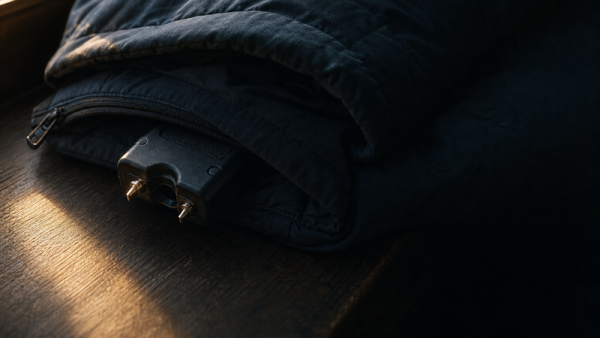
The household items that make the best diversion safes share three qualities: they are common enough that a burglar’s eye slides right past them, they are the right size to hold what you need to protect, and they are naturally at home in the room where you keep your valuables. Books, canned goods, cleaning products, wall outlets, and household plant containers consistently rank as the most effective because they blend into the environment a thief is trying to move through quickly.
Here is what most people miss when they think about hiding valuables at home: a burglar does not have time for a methodical search. Studies consistently show the average residential break-in lasts between eight and twelve minutes. That is the window they are working in, and that is exactly the window a well-chosen diversion safe is designed to exploit. When every item on a shelf looks like every other item on a shelf, the math works in your favor.
Which rooms in your home are the best places to use a diversion safe?
Room placement is not just a matter of convenience — it is a core part of the strategy. The master bedroom is statistically the first room a burglar heads to, because that is where most people store their valuables. That makes it a high-risk storage location, even with a traditional safe. A diversion safe in the master bedroom still works, but it needs to be surrounded by enough visual noise — other books, other products, other containers — that nothing stands out.
The kitchen and bathroom are significantly lower-risk zones. A thief moving fast through a house is less likely to open every cabinet under the kitchen sink or rummage through pantry shelves crowded with canned goods. A living room diversion safe placed on a bookshelf or entertainment center also performs well because the sheer volume of objects in a typical living room creates natural camouflage.
The principle is simple: put your diversion safe in a room with other similar-looking objects around it. A single can of soup on an otherwise empty shelf draws more attention than the same can tucked between a dozen others. Density is your friend here.
What makes a household item effective as a diversion safe?
Not every household container is equally convincing. There are four factors that separate effective diversion safe candidates from ones that would get noticed — or get moved.
Weight distribution. A real can of soup has a specific heft to it. A hollow replica that weighs almost nothing feels wrong the moment someone picks it up. Purpose-built diversion safes account for this. If you are repurposing an actual household container, leave some of the original product in it or add ballast. An inexplicably light object becomes suspicious fast.
Plausibility in context. A can of engine degreaser makes perfect sense in a garage. That same can on a bedroom dresser draws exactly the wrong kind of attention. Match the object to the room. A hairbrush safe belongs in the bathroom. A wall outlet safe belongs in a room with other outlets. A book safe belongs on a shelf with other books.
Access when you need it. This is an underrated practical concern. Your diversion safe needs to be something you can access quickly without disrupting the camouflage around it. If retrieving your item requires moving six other things and then carefully restoring everything to its original position, you will avoid using it — and more importantly, you will leave it out of position at exactly the moment a visual check matters.
Holding capacity. Be realistic about what needs to fit. Cash, a spare key, a thumb drive, a small piece of jewelry — these fit easily in most diversion safes. A full wallet, a stack of passports, and multiple pieces of jewelry require a larger container. Match the hiding space to what you are actually hiding.
Which specific household items work best as DIY diversion safes?
If you are building your own before investing in a purpose-built option, certain categories consistently outperform others.
Books. A hardcover book with a hollowed interior is one of the oldest and most reliable methods. On a shelf with other books, it is essentially invisible. The weaknesses: books get moved, borrowed, and donated. If there is any chance someone else might pick up “your” book, label the spine with something boring and position it spine-out in a spot that looks naturally unreachable — top shelf, end of a row.
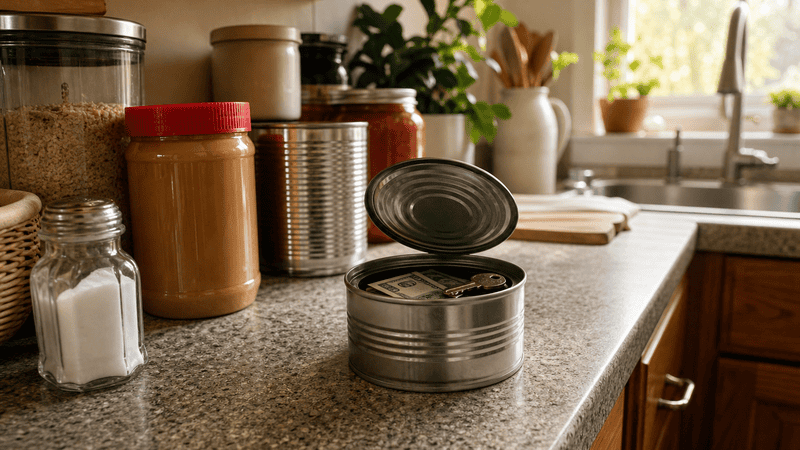
Canned goods. A can with a removable false bottom fits on any pantry shelf and requires no explanation. The key detail: it needs to look like the other cans around it. Generic-label cans look exactly like generic-label cans. If everything else on your shelf is a recognizable brand, a plain can stands out. Stock your diversion can alongside real cans of the same approximate size and label style.
Cleaning and personal care products. A large bottle of shampoo, a spray bottle of cleaning solution, or an oversized lotion container all have one major advantage: burglars almost never take them because they have no resale value and are immediately recognizable as common products. A hollowed-out cleaning product container in a bathroom cabinet is low on any thief’s search priority list.
Electrical outlet covers. A wall outlet diversion safe looks exactly like a standard electrical outlet but opens to reveal a small storage compartment. The hiding capacity is limited, but for a spare key, a folded bill, or a memory card, it works well. Position it low on a wall near a baseboard, or behind a piece of furniture, and it is genuinely overlooked.
Potted plants and home décor. A large decorative planter or piece of hollow décor can conceal a surprising amount. This works best when the object itself looks heavy and permanent — the kind of thing no one is going to casually pick up and shake. Weighted hollow décor items placed in a consistent location over time also benefit from familiarity: they become part of the visual background of the room.
How does a purpose-built diversion safe compare to a DIY version?
A DIY diversion safe has one real advantage: you already have most of the raw materials. The tradeoffs are worth knowing before you commit to a homemade approach.
Purpose-built diversion safes for valuables are engineered to get the weight distribution right, the label printing exact, and the interior compartment cleanly finished. The difference between a purpose-built can safe and an emptied soup can with the lid forced back on is immediately apparent if someone picks it up. The seams, the lid action, the weight — a well-made diversion safe passes casual physical inspection in a way a hastily modified can rarely does.
Purpose-built options also tend to be better sized. Manufacturers design the interior compartments to hold what people actually need to store — rolled cash, a key, a USB drive, small jewelry — rather than leaving you to work around whatever interior space a repurposed container happens to have.
If you are protecting something that genuinely matters — jewelry with real value, backup cash, critical documents — a quality diversion safe from a trusted brand is worth the investment. The entire point of a diversion safe is that it does not get found. That is not the place to cut corners.
What should you never store in a diversion safe?
A diversion safe is a concealment tool, not a security vault. It does not protect against a determined, systematic search. It is not fire-rated. It does not protect against theft of the container itself if the safe is small and easily pocketed.
Keep this out of diversion safes: items so valuable that their loss would be catastrophic, original legal documents that cannot be replaced, firearms or ammunition, and anything that would be dangerous if a child or untrained person found the container. A diversion safe hides — it does not lock, reinforce, or protect against fire or water damage.
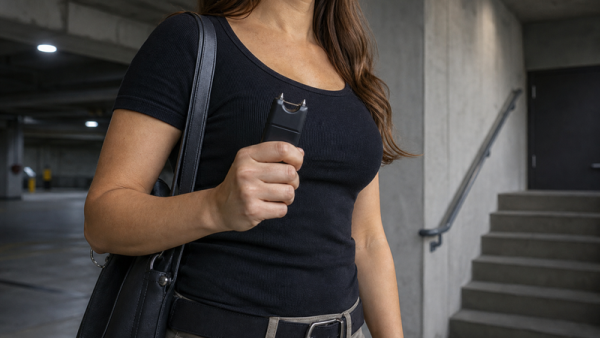
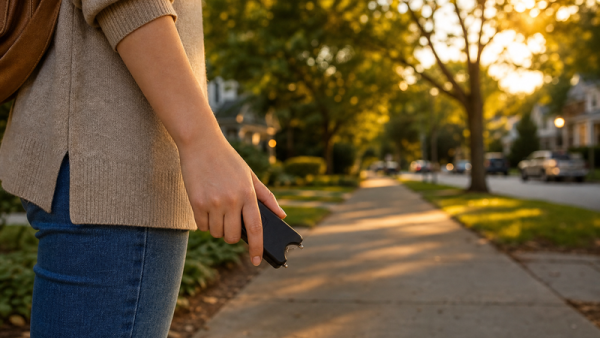
Use a diversion safe as one layer of a broader approach. Pair it with good door security, strong locks, and situational awareness habits. For context on layering your personal safety approach beyond the home, the guide on practical safety habits for being out alone at night covers the same principle of layered preparedness applied to personal safety outside the home.
Are diversion safes a good option for apartments and dorm rooms?
Diversion safes are particularly well-suited to shared living situations where a traditional safe is impractical or not permitted. An apartment renter cannot bolt a floor safe to the subfloor. A college student cannot install a wall-mounted security box in a dorm room. A diversion safe requires no installation, no landlord permission, and no modification to the space.
In a dorm room specifically, the challenge is different from a home — it is not just a passing burglar, it is also the steady traffic of roommates, guests, and RA checks. A diversion safe designed for a dorm setting works on a different principle: it blends into the visual clutter of a student’s space. Textbooks, snack containers, toiletries — the things that crowd every dorm room shelf are exactly the camouflage a diversion safe is built to disappear into.
For more on choosing and positioning options in that specific environment, the guide to diversion safes for dorm rooms covers what works in shared living situations and what to avoid.
Frequently Asked Questions About Diversion Safes and Household Hiding Spots
What is the most convincing everyday object to use as a diversion safe?
Canned goods and common personal care products — shampoo bottles, lotion containers, and cleaning supplies — consistently perform best because they have zero perceived value to a burglar and blend naturally into crowded shelves. The most convincing option in any specific home is the one that matches what is already around it. Context matters more than the object itself.
Can a burglar tell the difference between a real can and a diversion safe?
A casual visual scan will not reveal the difference with a well-made diversion safe. Physical handling raises the risk — weight, seam quality, and lid action all create potential tells. Purpose-built diversion safes are engineered to pass a quick pickup-and-set-down inspection. DIY versions are more variable in quality and more likely to feel wrong if handled.
Where should you never put a diversion safe?
Avoid putting a diversion safe anywhere it would be the only object of its type — a single book on a bare shelf, a lone can on an empty counter, or a cleaning product in a room where no cleaning products belong. Isolation is the enemy of camouflage. A diversion safe needs visual cover from similar surrounding objects to work as intended.
How much can a diversion safe hold?
Most standard diversion safes hold rolled cash, a spare key, one or two small pieces of jewelry, a USB drive, or a small folded document. Larger container options — oversized book safes, large can safes — can hold more, but the trade-off is that larger containers are heavier and harder to keep camouflaged. Match the container size to what you actually need to store.
Are diversion safes safe from children finding them?
A diversion safe is not childproof. It relies on concealment, not locking mechanisms. If a child is likely to search through shelves, rummage through cabinets, or pick up unfamiliar objects, a diversion safe alone is not an adequate solution for items that could be dangerous or harmful in a child’s hands. Use proper lockboxes for medications, and never store firearms in a diversion safe.
Do diversion safes work against professional burglars?
A professional who conducts a slow, room-by-room systematic search is more likely to detect a diversion safe than an opportunistic thief working against the clock. The good news: professional break-ins are a small minority of residential burglaries. Most residential theft is opportunistic and fast. Diversion safes are engineered for the realistic threat, not the theoretical worst-case.
Can you use a diversion safe in a car?
Some diversion safes work well in a car — a sports drink bottle or a small container in a gym bag, for example. The challenge is that car interiors are smaller and less cluttered than homes, which reduces available camouflage. The most effective car-based concealment usually involves compartments built into the vehicle or containers tucked inside a bag rather than sitting loose in the cabin.
Should you tell anyone where your diversion safe is?
Tell only the people who genuinely need to know — a spouse or partner, or someone with power of attorney if the contents are important documents. The fewer people who know the location, the better the concealment holds up over time. Avoid mentioning specific hiding spots to house guests, service workers, or anyone who does not have a direct need to access what is stored inside.
The right diversion safe does one thing really well: it makes your valuables invisible by making the container look exactly like everything else around it. That is not a complicated idea, but getting the details right — room placement, surrounding context, weight, and access — determines whether it actually works when it needs to. Take those details seriously, and a diversion safe becomes one of the most effective and low-cost layers in a home security plan that does not require a single alarm or camera to function.
If you are ready to move beyond the DIY approach, browse the diversion safe options at Revere Security to find purpose-built solutions sized for what you actually need to protect.