“`
A dummy camera is a realistic-looking fake security camera designed to look identical to a working one — same housing, same blinking light, sometimes even a fake cable. It doesn’t record anything. What it does is make a potential intruder think twice, because most people casing a home or car don’t want to find out if it’s real. Dummy cameras make the most sense as a low-cost layer alongside real security measures, not as your only line of defense for anything you truly can’t afford to lose.
There’s a particular kind of worry that comes from loving a place and the people in it. Not the dramatic kind — the quiet kind. The one that has you double-checking the lock before bed, or thinking about your elderly mother’s empty driveway when you’re three states away, or glancing at your car in a parking lot and wondering if you locked it. That worry doesn’t need a crime to justify it. It just needs love.
Dummy cameras exist for that exact feeling. They’re not glamorous. They won’t solve everything. But for a lot of families, they’re a small, honest way to say “someone is watching out for this place” — even on a tight budget, even in a rental, even when a full security system isn’t in the cards. Let’s talk about what they actually are, how they actually work, and where they genuinely earn their place in your home.
What exactly is a dummy camera?
A dummy camera is a non-functional replica built to look exactly like a real security camera. The good ones aren’t flimsy toys — they’re weighted, weatherproof, and built with the same housing materials as working cameras. Many include a blinking red LED powered by a AA battery, a fake coax cable, and mounting hardware that makes them look professionally installed.
The whole point is visual deception, and it works because most people don’t get close enough to inspect a camera before deciding whether to move on. A person walking up a driveway at 2am isn’t going to climb a ladder to check if the wiring is real. They see a camera, and that’s usually enough to change their mind. That split-second hesitation — that’s the entire job a dummy camera is hired to do.
If you’re weighing dummy cameras against the real thing, it helps to understand the tradeoffs honestly, which is exactly what we walked through in Hidden Cameras vs. Visible Cameras: A Practical Look at What Works and When. Visibility itself is a strategy, and dummy cameras lean all the way into it.
How do dummy cameras actually work as a deterrent?
They work on psychology, not technology. Someone deciding whether to break into a car, walk up to a front door, or test a garage isn’t running a background check on your equipment — they’re making a fast risk assessment. A visible camera, real or not, raises the perceived risk of getting caught. That’s often enough to send them somewhere easier.
This is the same reason a “Beware of Dog” sign works even for people who’ve never met the dog. It’s not about proof. It’s about doubt. Most people looking to do harm aren’t looking for a fight — they’re looking for the path of least resistance, and a visible camera quietly takes your home off that list.
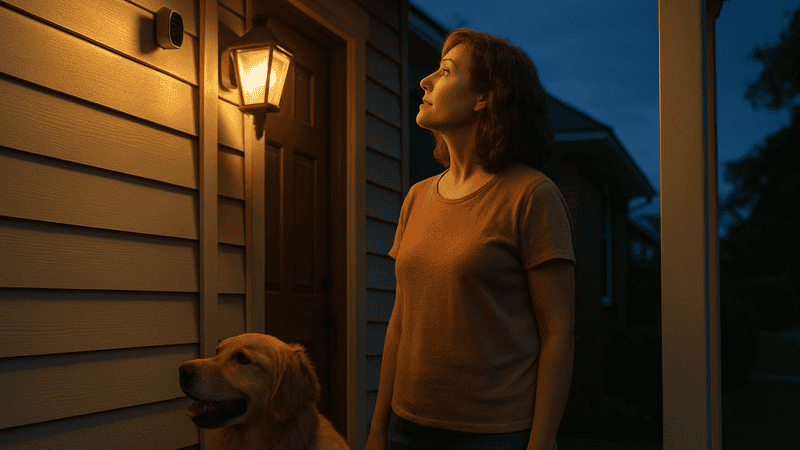
Where this matters most is anywhere you want to project a “someone is paying attention here” message without the cost of a monitored system. A well-placed unit near a front entrance sends that message to anyone walking up your steps before they even ring the bell.
Where do dummy cameras make the most sense?
They make the most sense anywhere the goal is deterrence rather than evidence. Front porches, garage doors, driveways, and the exterior corners of a home are classic spots — visible, obvious, and exactly where someone would look first to see if they’re being watched.
Vehicles are another place they genuinely earn their keep. Car break-ins are almost always crimes of opportunity, and a dummy unit mounted near the dash or rear window can be the difference between your car and the one next to it getting targeted. We go deeper into placement and realistic expectations in our guide to dummy cameras for the car.
For a whole-property approach, many families layer a couple of visible dummy units at obvious entry points alongside one or two real hidden cameras covering what actually matters. You get the deterrent effect of visibility and the peace of mind of real footage where you need it. Our dummy cameras for home collection covers models built specifically for this kind of layered setup.
When does a dummy camera fall short?
Here’s the part that matters most, and the part worth being honest about: a dummy camera cannot tell you what happened. If someone breaks in anyway, if a package goes missing, if something happens to someone you love while you’re not there — a fake camera gives you nothing afterward. No footage, no timestamp, no face, no answers.
That’s why dummy cameras were never meant to replace real monitoring for the situations where you genuinely need to know. If you’re caring for an aging parent and worried about how a caregiver is treating them when you’re not in the room, a fake camera doesn’t ease that worry — it just sits there looking the part. That situation calls for real recording, which is why we built out a full guide on hidden cameras for elderly care. Same logic applies to watching over what’s happening at a small business when you’re not on-site — see our page on hidden cameras for the office.
Think of it this way: dummy cameras protect the moment before something happens. Real cameras protect you after. If what you’re worried about is prevention — someone walking away before trying anything — a dummy camera is a smart, affordable answer. If what you’re worried about is knowing the truth no matter what, that’s a different tool for a different kind of love and worry.
How do you choose a dummy camera that actually looks real?
Look for weight, weatherproofing, and small realistic details. Cheap dummy cameras feel hollow, fade in the sun, and have LEDs that blink in an obviously artificial pattern. Better models are built with UV-resistant housings, real aluminum or heavy-duty plastic shells, and a solar-powered or battery-powered blinking light that mimics an actual recording indicator.
Mounting height and angle matter too. A dummy camera tucked low near a doorbell doesn’t read the same way as one mounted at the corner of a roofline, angled the way a real security installer would place it. The goal is for it to blend into the visual language people already associate with real surveillance — because that familiarity is what does the convincing.
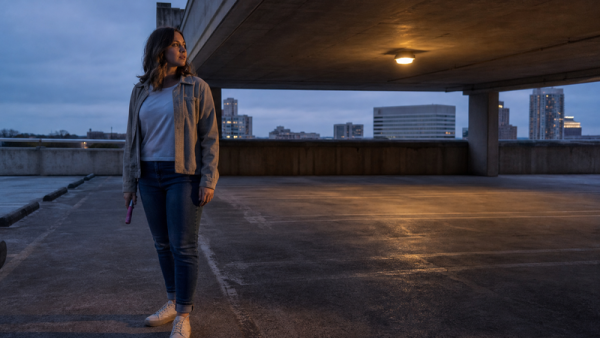
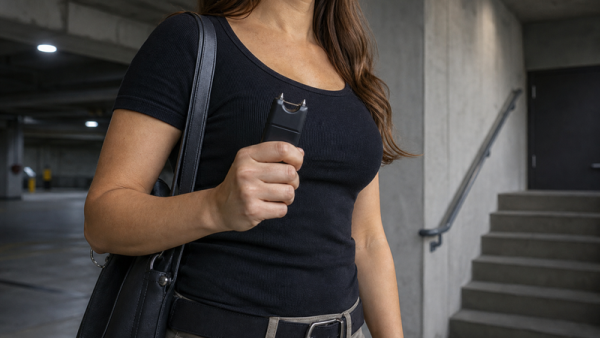
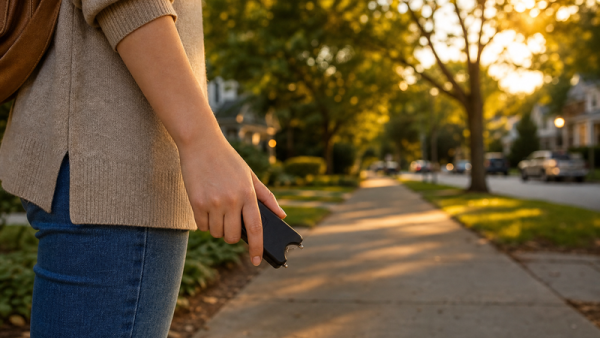
It’s also worth pairing a visible deterrent with something for those moments a camera can’t help with directly — like when you’re the one walking to your car alone at night. That’s a different kind of preparedness, and it’s worth reading about in The One Self-Defense Mistake Most People Make Before Leaving the House.
Frequently Asked Questions About Dummy Cameras
Do dummy cameras actually deter crime?
Studies and real-world reporting consistently show that visible cameras — real or fake — reduce opportunistic crime because most people looking to break in or steal want to avoid being seen. A dummy camera raises that perceived risk. It won’t stop someone determined and desperate, but it works well against the far more common opportunistic attempt.
Can someone tell a dummy camera isn’t real?
Cheap ones, sometimes yes — lightweight plastic, unrealistic blinking patterns, and obvious lack of wiring can give it away up close. Quality dummy cameras use real housing materials, weighted bodies, and realistic LED indicators, making them very difficult to distinguish from a working camera without direct inspection.
Do dummy cameras need batteries?
Most do, simply to power the blinking LED light that mimics an active recording indicator. Some models use solar power instead, which is worth considering for outdoor placements where battery changes would mean climbing a ladder every few months.
Are dummy cameras weatherproof?
Good ones are built for outdoor use with UV-resistant, weatherproof housings, since they’re most effective mounted outside at entry points, driveways, and vehicles. Always check the specific product’s weather rating before mounting it somewhere exposed to rain or direct sun.
Should I combine dummy cameras with real cameras?
Yes, and this is how most experienced homeowners actually use them. Visible dummy units at obvious entry points create deterrence, while real hidden cameras cover the areas where you genuinely need footage if something happens. This layered approach costs less than an all-real system while still giving you answers when it matters most.
Where should I place a dummy camera for the best effect?
Front doors, garages, driveways, and other visible entry points work best, since the goal is for anyone approaching to notice it before they get close. For vehicles, mounting near the dashboard or rear window where it’s visible from outside the car tends to work well against break-ins.
Do dummy cameras work for apartments and rentals?
Yes, and they’re often a good fit specifically because they require no wiring, no permanent installation, and no landlord permission in most cases. A battery-powered dummy camera can be mounted with adhesive or simple screws and removed without damage when you move.
Is a dummy camera enough protection on its own?
For deterring casual opportunists, often yes. For anything where you need to know what actually happened — a break-in, a caregiver’s behavior, theft at a business — no fake camera can give you that. In those cases, real recording capability is worth the investment alongside whatever deterrents you’re already using.
At the end of the day, a dummy camera is a small gesture with a big heart behind it. It won’t tell you what happened after the fact, and it won’t replace the peace of mind that comes from real footage when the stakes are high. But for the ordinary, everyday worry — the one that just wants a would-be intruder to walk past your house instead of stopping — it’s a quiet, affordable way of saying this home is looked after. Sometimes that’s exactly enough.