

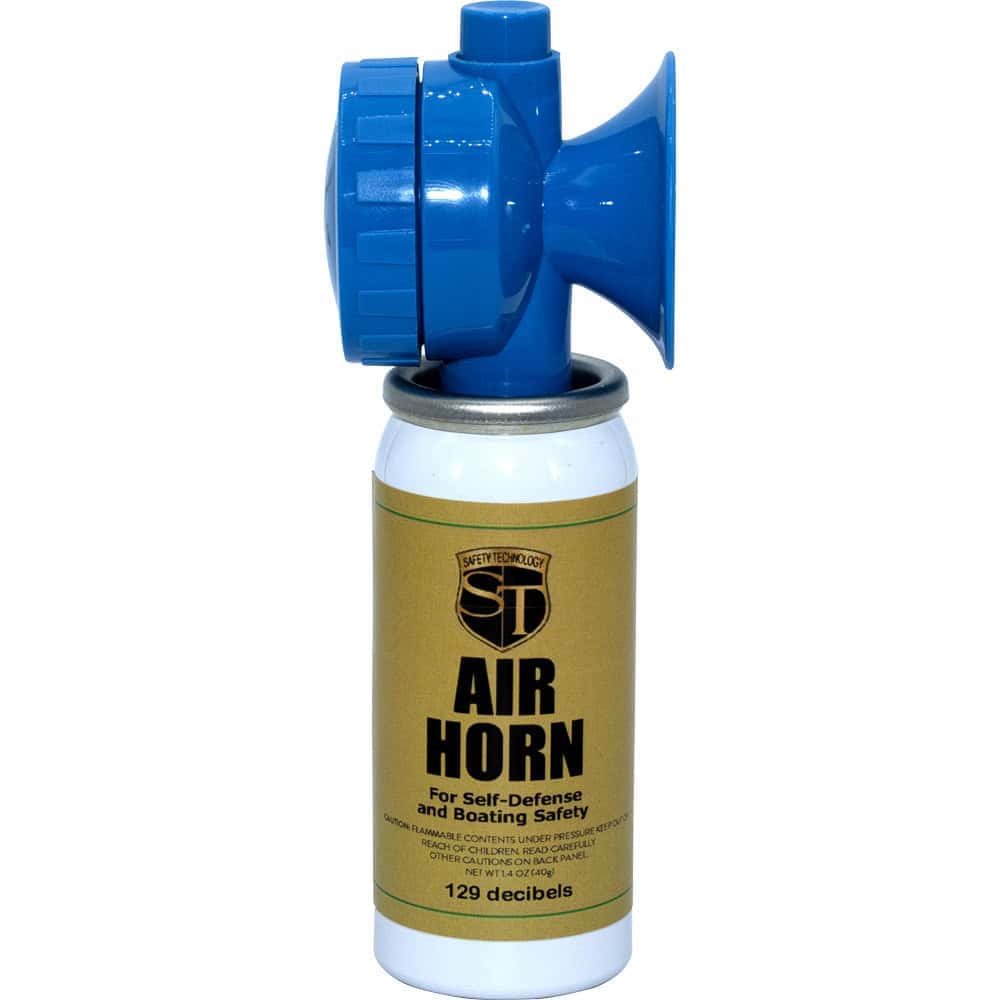
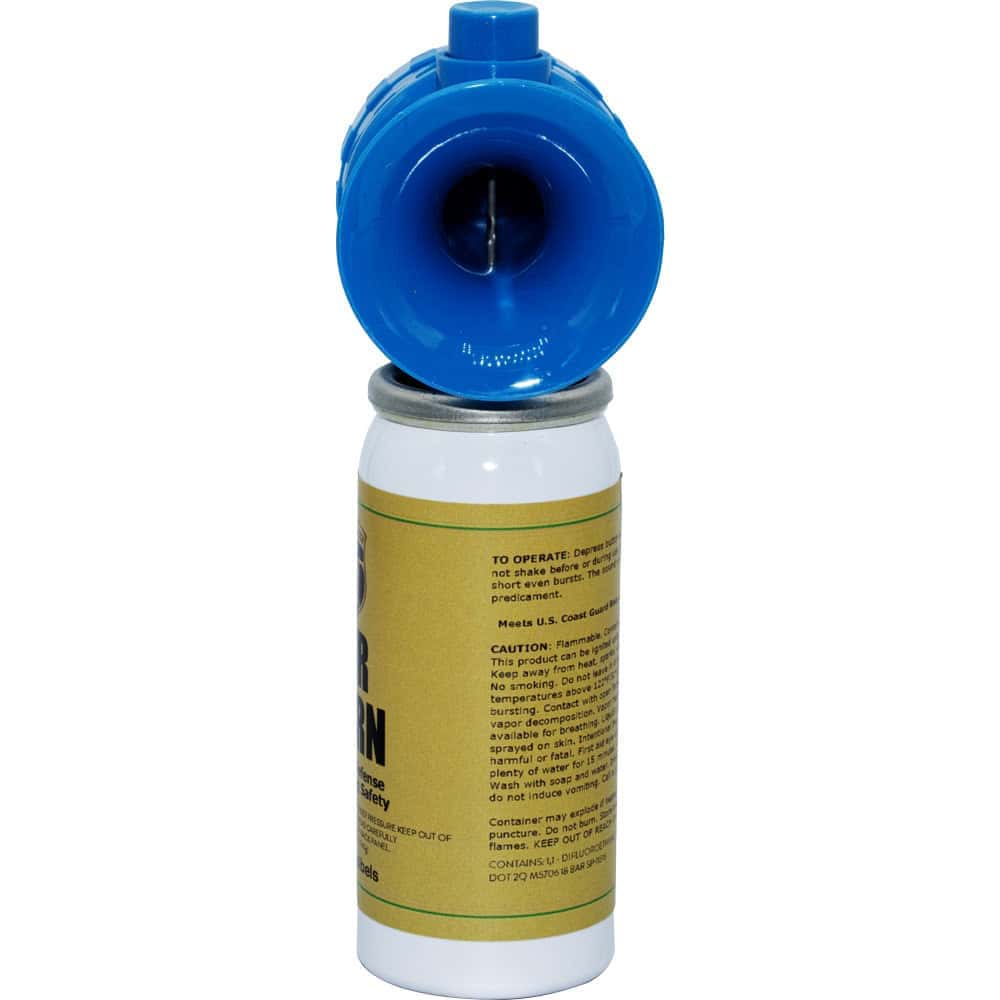
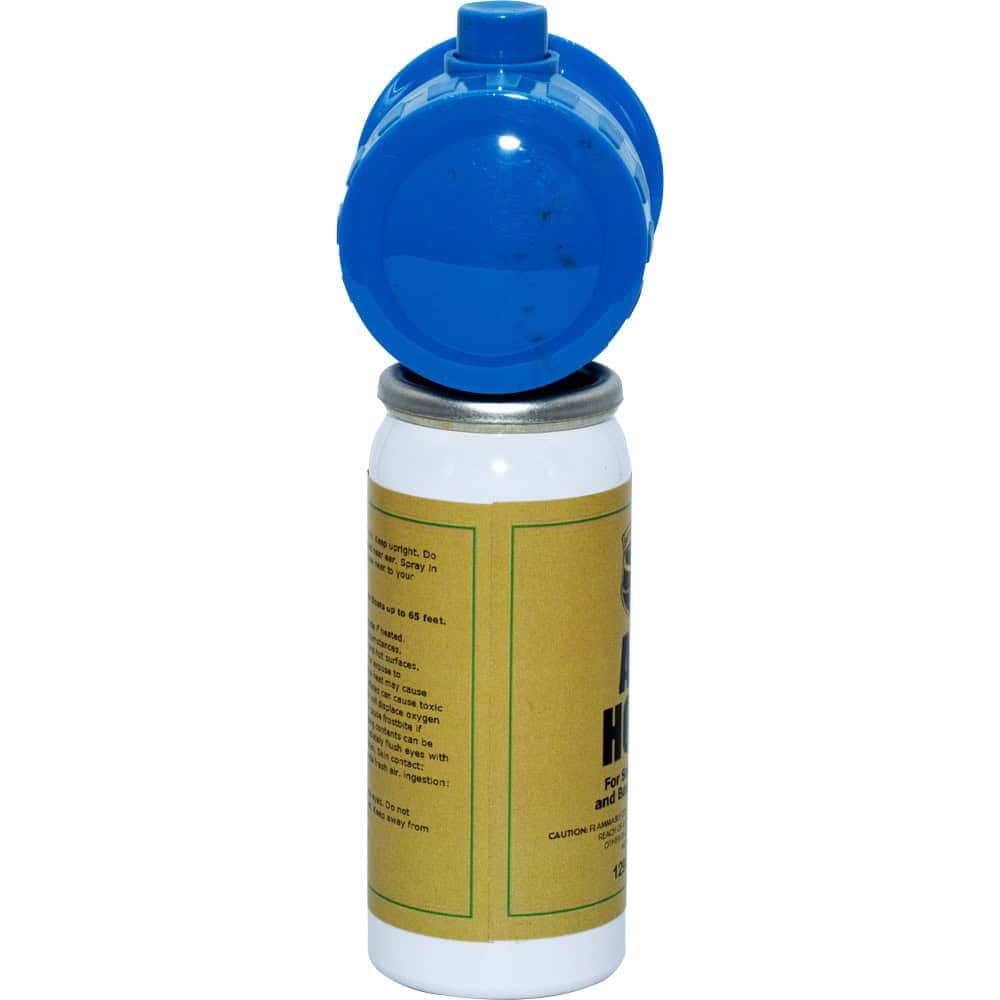
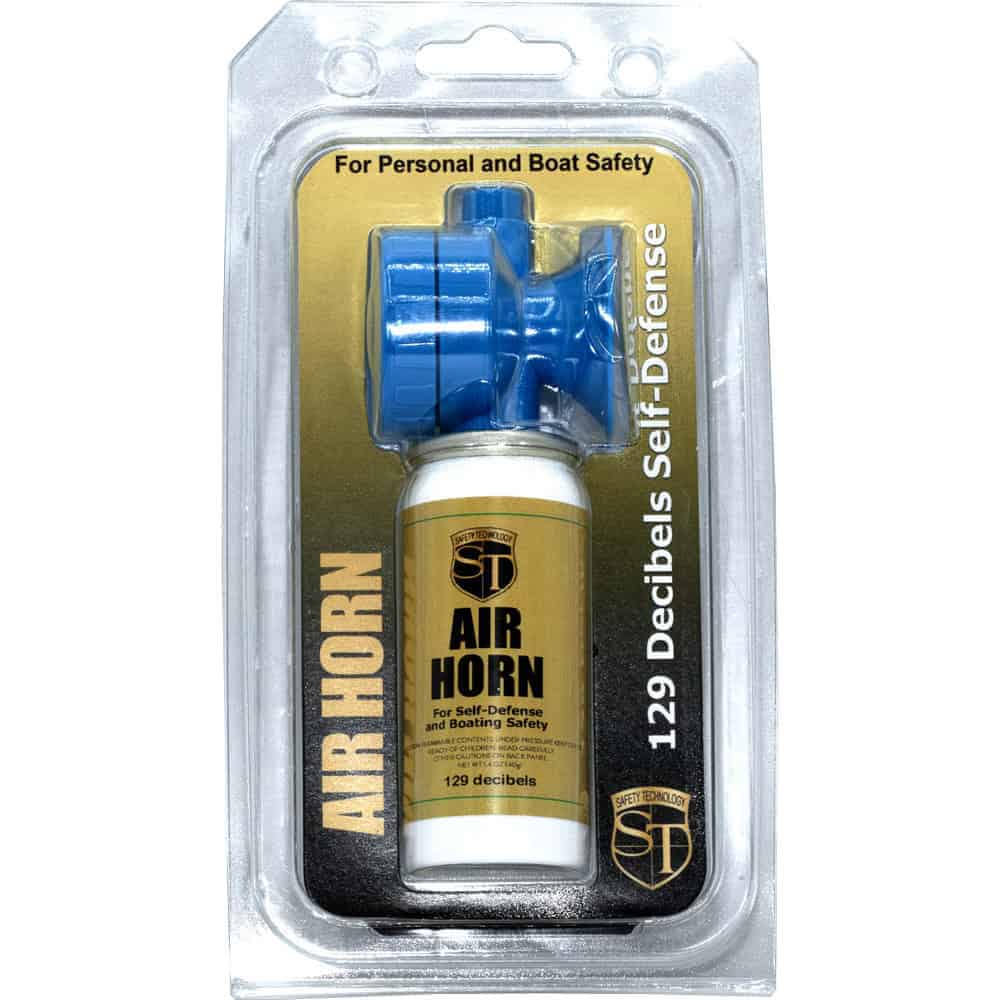
Personal Air Horn Alarm – 129 dB, 65-Foot Range
$14.95
Buy with Confidence
Covered by a 30-Day Money Back Guarantee. If it's not right for you, returns are easy and hassle-free.

Secure checkout • 100% Satisfaction Guaranteed • 30 Day Money Back Guarantee • Easy Returns • Fast Customer Support
You’re two miles into the backcountry or a half-mile off the boat dock when something goes wrong. Your voice isn’t going to carry. Your phone may not have signal. What you need at that moment isn’t complicated — it’s loud, reliable, and instant. That’s exactly what the Personal Air Horn Alarm delivers: 129 decibels that cut through wind, water, and ambient noise without asking anything of you except one press.
Who This Personal Alarm Is For
This is built for people whose safety situations don’t come with a warning. Solo hikers who venture off marked trails, boaters and kayakers who push past shouting distance from shore, campers without cell coverage, and elderly individuals who want a way to call for help that doesn’t depend on remembering a PIN or having the breath to yell. It’s also a practical addition to any stadium bag or event kit — a single blast cuts through crowd noise in a way nothing else can. If your safety plan has any gap where a voice won’t reach, this fills it.
Is It the Right Fit for You?
Choose It If You Want
- A signaling tool that works the same on the hundredth use as the first
- No batteries to charge, replace, or forget
- Something compact enough to clip onto a pack, vest, or belt loop
- Instant activation with no learning curve under stress
Consider Another Option If You Need
- A device that also deters close-range threats rather than just signals
- Something that works silently or with directional control
- A tool with electronic features like flashing lights or an app connection
Personal Air Horn Alarm Features and Benefits
- 129 dB Output: That’s loud enough to be heard clearly over wind, waves, and crowd noise — and to get immediate attention from anyone nearby.
- 65-Foot Audible Range: Reaches hikers on the next switchback, boaters across open water, or campers in an adjacent site when your voice simply won’t.
- Refillable Compressed Air Canister: No batteries to die at the wrong moment. Refill the canister periodically and this unit lasts for years.
- Compact, Lightweight Build: At 0.3 lbs and 5 1/8″ x 1 3/4″, it adds almost nothing to your pack weight and fits in a side pocket or clips to a vest.
- One-Press Activation: No modes, no buttons to hold in sequence. It works instantly, even under stress, even with cold or wet hands.
- No Charging Required: Ready the moment you grab it. There’s nothing to forget to plug in before a trip.
- Broad Use Cases: Equally at home on a trail, a kayak, a campsite, a stadium, or a bedside table for elderly users who want a dependable way to call for help.
How the Personal Air Horn Alarm Compares
Here’s how this alarm stacks up against two common alternatives, so you can make the call that fits your situation.
| Feature | Personal Air Horn Alarm | Personal Whistle | Battery-Powered Alarm |
|---|---|---|---|
| Volume | 129 dB | ~100 dB | 100–120 dB |
| Range | 65 feet | Limited by breath | Fixed, varies by unit |
| Power Source | Refillable air canister | Lung power | Battery (replaceable or rechargeable) |
| Ease of Use | One press, zero effort | Requires strong breath | Button or pull-pin |
| Best For | Outdoor, water, remote areas | Lightweight backup | Everyday carry, home use |
Care and What’s Included
What’s in the Box
- Personal Air Horn Alarm unit with canister, ready to use
Care and Maintenance
Store the alarm where it won’t get crushed or punctured — a pack pocket or clip-on position works well. Give it a quick test press once a season to confirm it’s performing. When the canister runs low, it’s refillable, so you’re not buying a new unit every time.
Legal Notes
This is a signaling device, not a weapon. It’s legal in all 50 states with no known restrictions. Nothing to check with local law before you buy or carry it.
Personal Air Horn Alarm: Frequently Asked Questions
How loud is the Personal Air Horn Alarm?
It produces 129 decibels at the source, with an audible range of 65 feet. For reference, 129 dB is comparable to a car horn at close range — loud enough to be heard over wind, waves, or a noisy crowd. That output doesn’t depend on how hard you press or how much breath you have.
Does the Personal Air Horn Alarm need batteries?
No. It runs on a compressed air canister, not batteries. That means no charging, no dead cells at the wrong moment, and no cables to remember before a trip. When the canister eventually runs low, it’s designed to be refilled rather than replaced.
Who is this alarm best suited for?
It’s a strong fit for hikers, boaters, kayakers, and campers in areas without reliable cell service. It’s also a practical choice for elderly individuals who want a simple, no-learning-curve way to call for help, and for anyone attending large events where a voice doesn’t carry through crowd noise.
How do I know when the canister needs a refill?
The sound will noticeably drop in volume or shorten in duration before it stops working altogether. A quick seasonal test press is the simplest way to catch this early. Because the canister is refillable, you won’t need to buy a new alarm — just recharge the existing one.
Add This Alarm to Your Safety Kit
At $14.95, the Personal Air Horn Alarm is one of the most straightforward decisions in personal safety — no batteries, no settings, no second-guessing. Hit Add to Cart and tuck one into your pack, your boat bag, or your bedside drawer. Simple gear done right.
| Manufacturer | Safety Technology |
|---|---|
| Decibles | 129 db |
| Range | 65 feet |
Additional information
Related products
-
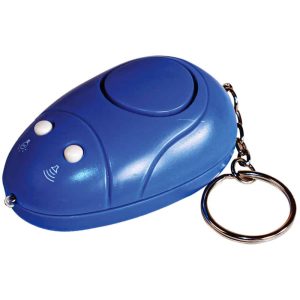
Keychain Personal Alarm – 130 dB, Pull-Pin, LED Light
$10.00 Add to cart -
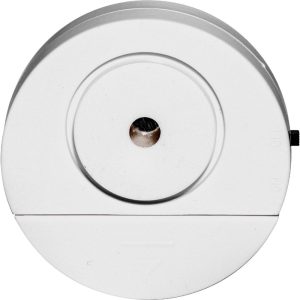
Glass Break Alarm 2-Pack – 100 dB, Adhesive Mount
$15.00 Add to cart -
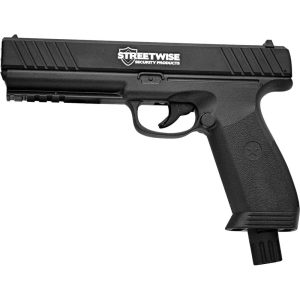
Heat Pepper Launcher Kit – 60-Foot Range, 6-Round, CO2
$149.95 Add to cart -
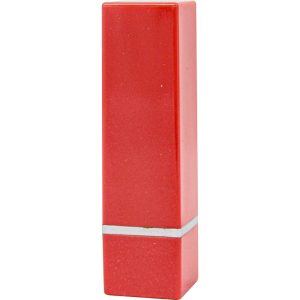
Lipstick Personal Alarm – 90 dB, Disguised, Batteries Included
$12.95 Select options This product has multiple variants. The options may be chosen on the product page
Reviews
There are no reviews yet.