

Nap Alarm – 80 dB Head-Tilt Drowsy Driver Alert
$9.95
Buy with Confidence
Covered by a 30-Day Money Back Guarantee. If it's not right for you, returns are easy and hassle-free.

Secure checkout • 100% Satisfaction Guaranteed • 30 Day Money Back Guarantee • Easy Returns • Fast Customer Support
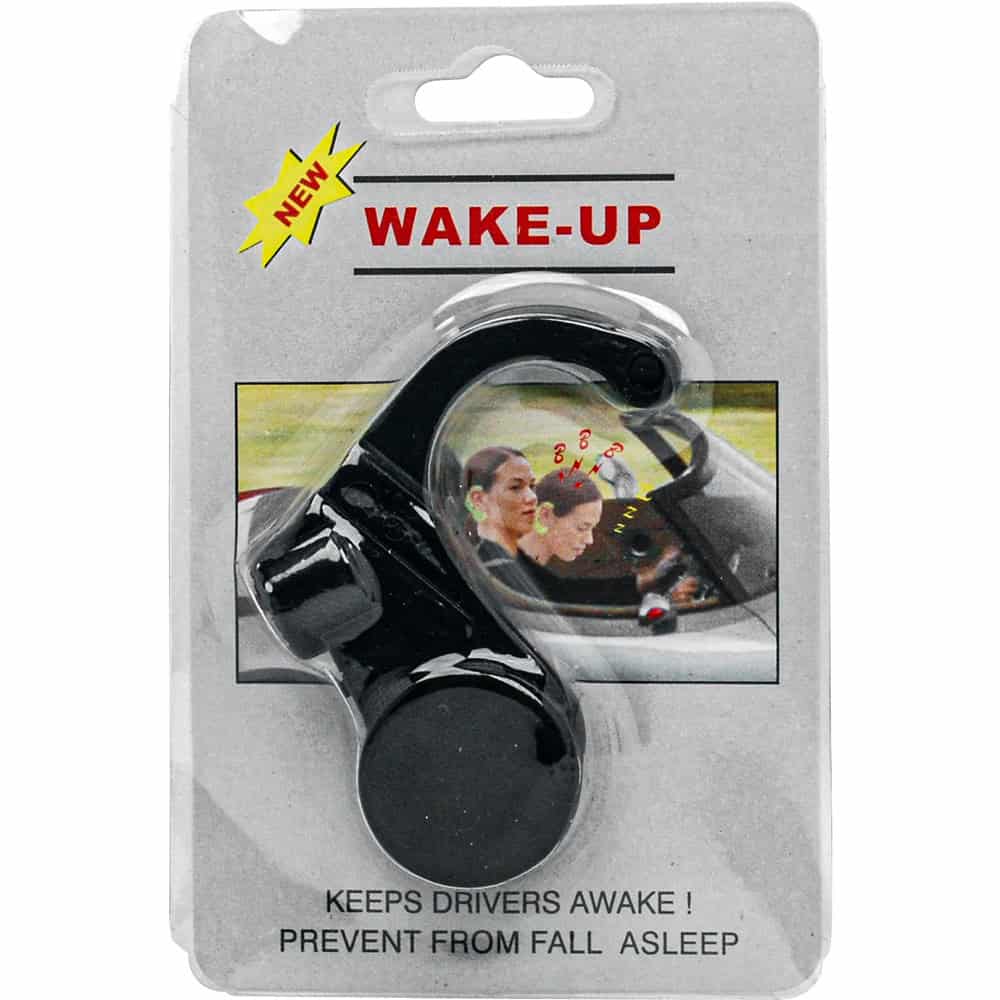
Three in the morning, highway stretching out ahead, and your eyelids start losing the argument. Most drivers don’t realize they’ve nodded off until something loud wakes them up—and sometimes that something is a rumble strip at 65 miles per hour. The Nap Alarm is a small ear-hook device that reads the tilt of your head and sounds an 80 dB alarm the moment you start to drift, giving you a fighting chance to pull over and rest before it matters most.
Who This Personal Alarm Is For
This is for the people who know exactly how dangerous tired driving feels and do it anyway because they don’t have another option. Long-haul truckers pushing through a second shift. Night-shift nurses, security guards, and warehouse workers heading home after twelve hours on their feet. Parents finishing a red-eye flight and then driving the family home. Anyone who’s told themselves “I’m fine” while not being entirely sure. If fatigue is a regular part of your schedule, this belongs in your glovebox.
Is It the Right Fit for You?
Choose It If You Want
- An instant, physical alert the moment drowsiness shows up
- No apps, no pairing, no setup—just hook it on and go
- Something small enough to toss in a bag or console and forget about until you need it
- A one-time cost instead of a recurring caffeine budget
Consider Another Option If You Need
- A hands-free, fully passive system with no device on your body
- Integration with your vehicle’s existing safety tech
- Something that works for a passenger who isn’t driving
Nap Alarm Features and Benefits
- 80 dB Head-Tilt Alert: The alarm triggers when your head tilts forward or sideways—the actual first sign your brain is losing the battle to stay awake—not a timer, not a guess.
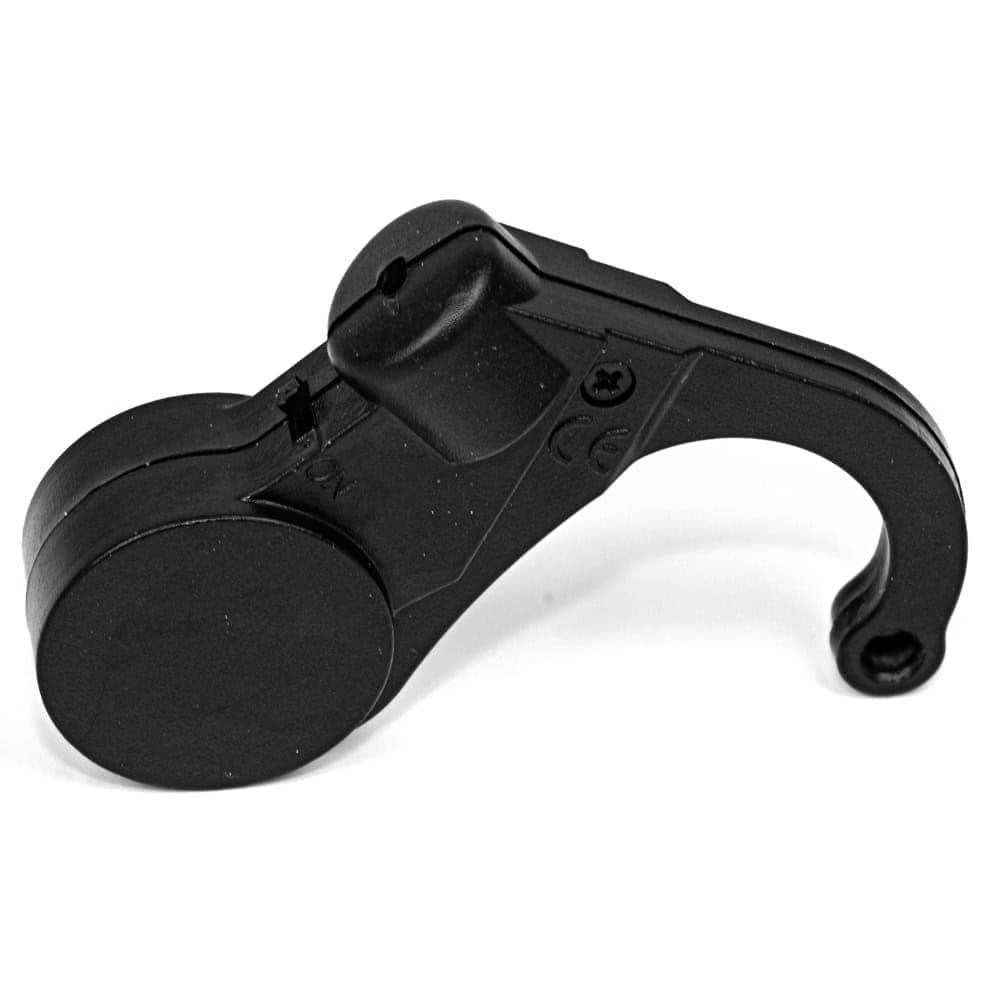
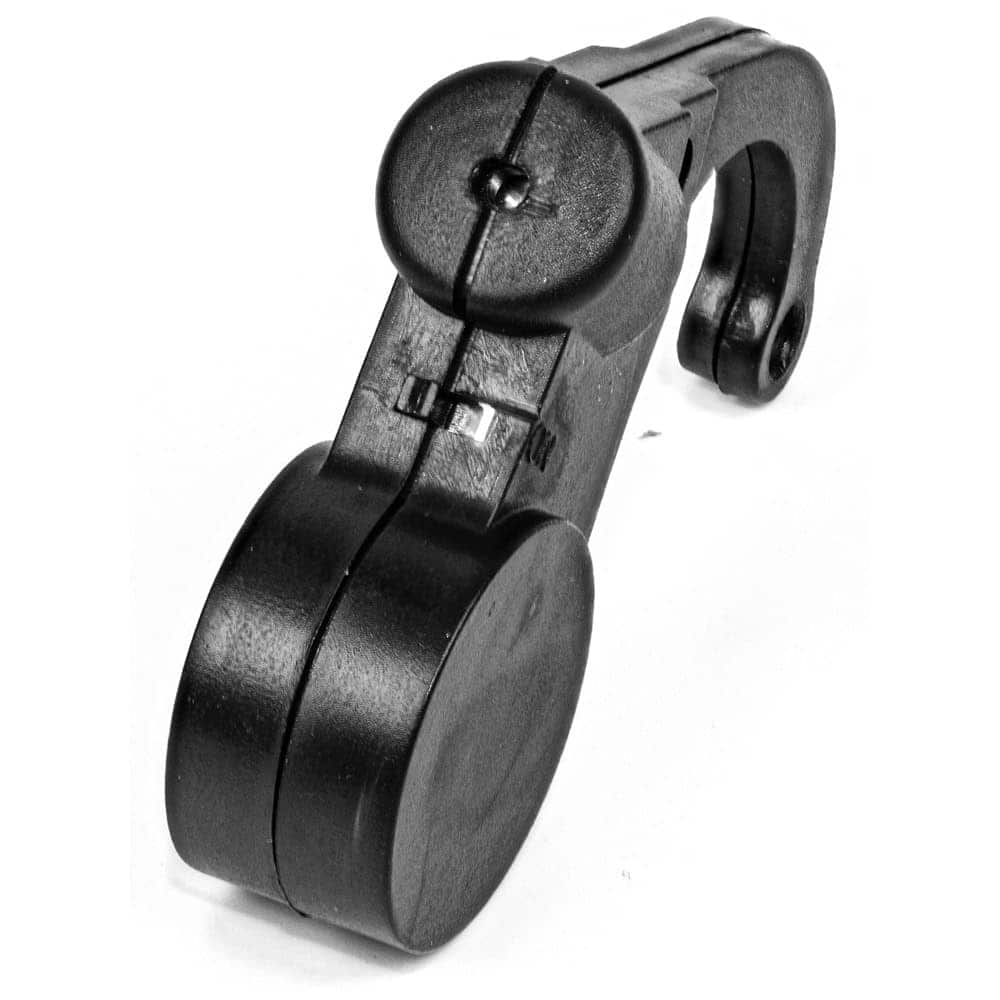
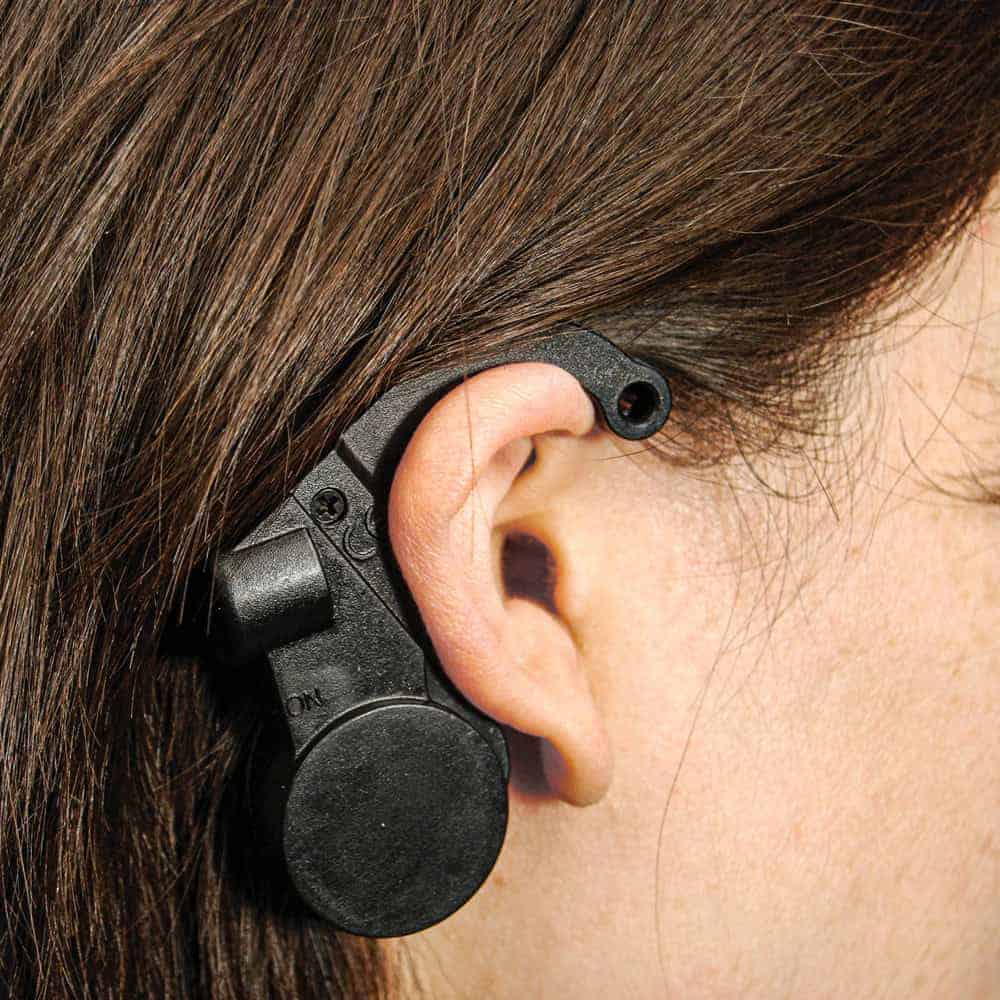
- Ear-Hook Design: Sits lightly over the ear without pinching or shifting during a long drive. Comfortable enough to wear for hours at a stretch.
- 80 dB Alarm Volume: Loud enough to cut through road noise and music. At 80 dB, it’s hard to sleep through.
- Battery Powered, No Cords: Runs on 3 AG3 alkaline button cell batteries, which are included. No charging cable to remember, no dead device because you forgot to plug in.
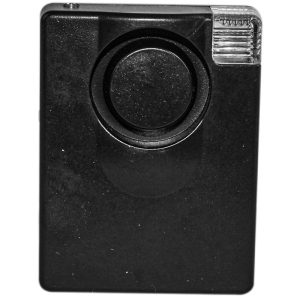
- Compact Size: At 1⅞” x 2¼” x ⅝” and 0.06 lbs, it disappears into a glovebox, center console, or jacket pocket without taking up real estate.
- Ready to Use Out of the Box: Batteries come installed. Hook it on, test the tilt response in your driveway, and you’re set.
- No App or Connectivity Required: Entirely self-contained. No Bluetooth, no Wi-Fi, no smartphone dependency.
How the Nap Alarm Compares
Here’s how this device stacks up against two common alternatives drivers reach for when fighting fatigue.
| Feature | Nap Alarm | Caffeine or Energy Drinks | Dashboard Camera Alert System |
|---|---|---|---|
| Alert Type | 80 dB physical sensor trigger | Temporary stimulant effect | Camera-based facial detection |
| Size and Carry | Ear-hook; fits in any pocket | No device required | Larger; requires dashboard mount |
| Power Source | Included button cell batteries | None | Vehicle power or USB; setup needed |
| Cost | One-time purchase | Ongoing per-use cost | Significantly higher upfront cost |
| Best For | Immediate, wearable drowsiness detection | Short-term alertness boost | Drivers wanting a fully passive system |
What’s in the Box and Practical Notes
What’s in the Box
- Nap Alarm ear-hook unit (black)
- 3 AG3 alkaline button cell batteries (pre-installed)
Care and Use Tips
Test the fit and alarm response before a long drive so you’re not adjusting it at highway speed. Keep a spare set of AG3 batteries in your glovebox—they’re inexpensive and widely available, and you don’t want to find out the battery is low at 2 a.m. This is a personal alertness aid, not a substitute for actual sleep. If the alarm goes off, use it as the signal it’s meant to be: find a safe place to stop.
Legal Notes
Personal alarms of this type have no legal restrictions. The Nap Alarm is legal to own and use in all US states with no carry limitations.
Nap Alarm: Frequently Asked Questions
How does the Nap Alarm know when you’re falling asleep?
It uses a head-tilt sensor built into the ear-hook unit. When your head begins to drop or tilt to the side—the first physical sign of drowsiness—the sensor detects that angle change and triggers the 80 dB alarm. It responds to movement, not a timer, so it won’t sound while you’re alert and holding your head upright.
How loud is the Nap Alarm, and will it wake me up through road noise?
The alarm sounds at 80 dB, which is roughly the volume of a kitchen blender or heavy traffic at close range. That’s loud enough to be disruptive even with music playing or windows cracked. Most people find it startling enough to snap them back to full awareness quickly.
How long do the batteries last in the Nap Alarm?
Battery life depends on how often the alarm triggers, but AG3 alkaline button cells are long-lasting under normal use. The batteries come pre-installed, so it’s ready the moment you open it. Keeping a spare set nearby is a smart habit for frequent long-haul drivers or anyone using it regularly on night shifts.
Is the Nap Alarm comfortable to wear for a full long-haul shift?
It weighs 0.06 lbs and hooks lightly over the ear without clamping. Most drivers find they stop noticing it after the first few minutes. That said, fit varies by ear shape, so testing it during a short drive before committing to an eight-hour haul is worth the few minutes it takes.
Add This to Your Long-Haul Kit
The Nap Alarm costs less than a tank of fuel and takes up less space than a pack of gum. If fatigue is a real part of your driving life, this is the kind of small addition that earns its place every time you get behind the wheel tired. Add it to your cart and have it ready before your next long run.
| Decibles | 80 db |
|---|---|
| Battery | 3 AG3 Alkaline Button Cell (Included) |
| Color | Black |
Reviews
There are no reviews yet.