How Covert Security Products Are Commonly Used
Most people use covert security gear in situations where visibility would undermine the purpose. A hidden camera catches what a visible one deters. A diversion safe protects valuables because a thief never suspects the decoy. Disguised personal defense tools give you an option when you'd rather not signal that you're carrying one. Covert security works best when it stays covert.
Choosing the Right Covert Security Tool for Your Situation
Start with where your vulnerability actually is. Protecting your home while you're away calls for hidden cameras or monitored diversion safes. Protecting yourself on the go points toward disguised stun guns or low-profile personal defense devices. Covert security isn't one-size-fits-all — the right product fits your specific situation, not just a general idea of being safer.
What to Expect from Covert Security Products
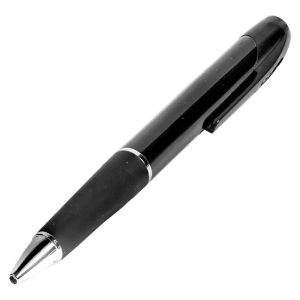
These aren't novelty items. The hidden cameras, disguised defense tools, and diversion safes in this category are built to function reliably in real situations. That means image quality that holds up in low light, defense tools that work under stress, and safes constructed to withstand a quick search. Covert security is only useful if it actually works when you need it — that's the standard everything here is held to.
Frequently Asked Questions About Covert Security
- Are covert security cameras legal to use at home?
- Hidden cameras are legal in most states for use in your own home, with important limits around areas where people have a reasonable expectation of privacy, like bathrooms or guest bedrooms. Covert security laws vary by state, so it's worth checking your local regulations before setting up monitoring in shared or sensitive spaces.
- What's the difference between a dummy camera and a hidden camera?
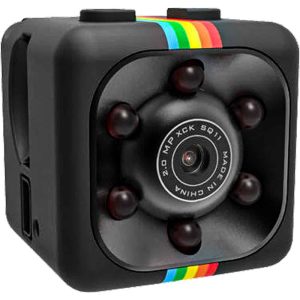
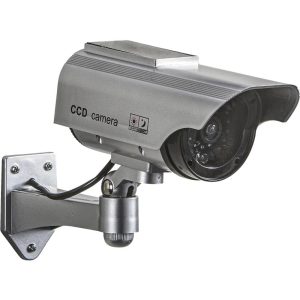
- A dummy camera is a visible deterrent — it looks like a real camera and may discourage opportunistic behavior, but it records nothing. A hidden camera is a functioning device that actually captures footage. Both are covert security options, but they serve different purposes depending on whether you want to deter or document.
- How do diversion safes work?
- Diversion safes are everyday objects — canned goods, books, household products — with a concealed interior compartment. The idea is simple: most thieves move fast and won't thoroughly inspect every item on a shelf. Your valuables stay hidden in plain sight inside a covert security container that looks completely ordinary.
- Can I carry a disguised stun gun legally?
- Stun guns, including disguised models, are legal to carry in most states, but restrictions exist in certain cities and states. A few states prohibit them entirely. Always check the laws where you live and travel before purchasing any covert security defense tool — and never carry in prohibited areas.
- Do covert security products require professional installation?
- Most don't. The hidden cameras, alarms, and monitoring tools in this category are designed for straightforward self-installation. Setup instructions vary by product, but the goal is gear you can get working yourself without calling anyone in.
- Who benefits most from covert security products?
- Homeowners who want monitoring without making their setup obvious, renters who can't install permanent systems, travelers protecting valuables in hotel rooms, and anyone who prefers personal defense options that don't draw attention. Covert security is practical for a wide range of situations — not just high-risk ones.
Related Categories and Guides